

Design Effective Vehicle Wraps That Turn Heads
Learn to design effective vehicle wraps that turn heads and boost your brand. Get expert design tips for mobile advertising success, ensuring clarity and impact on the road.
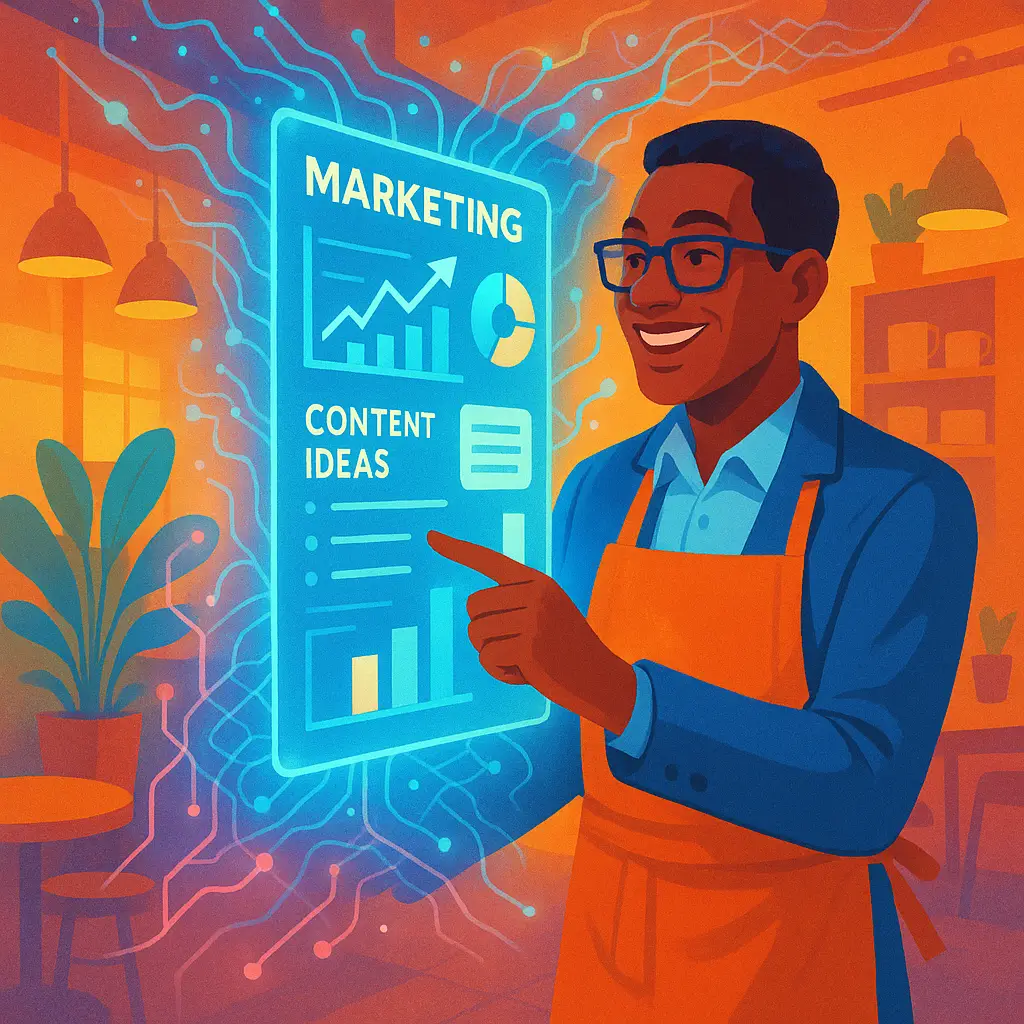
When you hear “Artificial Intelligence,” you might picture massive corporations with endless budgets, not your neighborhood shop or startup. For years, this powerful technology felt out of reach. But that landscape has dramatically shifted. Today, a new wave of intuitive and affordable AI marketing tools is leveling the playing field, making AI for small business marketing not just a futuristic concept, but a present-day reality for driving growth.
For a small team wearing multiple hats, the ability to leverage artificial intelligence is a true game-changer. It acts as a force multiplier, automating tedious tasks and unlocking insights that were once impossible to gather without a dedicated analytics team. From performing deep customer data analysis to personalize marketing at scale, AI handles the heavy lifting. This frees you up to focus on strategy, creativity, and building genuine customer relationships. In this guide, we’ll explore practical ways you can implement AI to work smarter, not harder.

So, where do you begin? The potential of AI for marketers can feel overwhelming, which is why we’ve broken it down into seven actionable areas where you can see a tangible impact. These aren’t high-level theories; they are practical applications you can implement using readily available AI marketing tools. From streamlining your AI content creation workflow to supercharging your outreach with intelligent marketing automation, each strategy is designed to deliver real results without a steep learning curve or a hefty price tag. They represent the most effective starting points for any small business looking to compete in today’s digital landscape.
Each of the following points offers a clear path to integrating AI into your daily operations. We’ll explore how you can use it to sharpen your AI SEO, provide instant customer support, and perform sophisticated customer data analysis to truly understand your audience. The goal is simple: to help you leverage artificial intelligence to automate, optimize, and grow your business more effectively than ever before.
Content is king, but for a busy small business owner, it’s also a voracious time-eater. This is where AI content creation becomes an indispensable ally. Imagine instantly overcoming writer’s block by generating dozens of blog post ideas, complete with outlines, in minutes. Dedicated AI marketing tools can draft compelling social media posts, persuasive email copy, and even video scripts, accelerating your entire workflow. This practical application of AI for small business marketing allows you to scale your content production, maintain consistency across channels, and move from a blank page to a polished first draft with incredible speed.
Beyond initial drafting, AI is a powerful partner in optimization. Many platforms can analyze your text for tone and clarity, ensuring your message resonates with your target audience. They can also supercharge your AI SEO efforts by suggesting relevant keywords, crafting compelling meta descriptions, and even checking for originality. The key is to use AI as a collaborator. You provide the strategic direction and the final human edit to ensure authenticity and brand voice, while the AI handles the heavy lifting, saving you invaluable time and resources.
Generic email blasts are a thing of the past. Today’s consumers expect communication that understands their specific needs and interests. This is where you can leverage artificial intelligence to transform your email strategy. AI tools excel at performing in-depth customer data analysis, sifting through purchase history, browsing behavior, and engagement patterns. The result? The ability to personalize marketing messages on a one-to-one basis, even with a small team. Imagine automatically sending a follow-up email with product recommendations based on a customer’s last visit or segmenting your audience into micro-groups for hyper-targeted promotions.
This level of intelligent marketing automation goes far beyond simply inserting a first name. AI can optimize send times for each individual subscriber, A/B test subject lines in real-time to maximize open rates, and predict which customers are at risk of churning. It’s one of the most powerful applications of AI for marketers, turning your email list from a simple broadcast channel into a dynamic, revenue-driving engine that builds stronger customer loyalty.
Managing multiple social media platforms can feel like a full-time job. From creating engaging posts to finding the perfect time to publish, the demands are constant. This is where AI-powered social media management tools become a crucial asset for any AI for small business strategy. Instead of guessing when your audience is most active, these platforms use machine learning to analyze past engagement data and pinpoint the optimal posting times for each network. This smart scheduling, a key feature of modern marketing automation, ensures your content gets maximum visibility and impact with minimal effort.
But intelligent scheduling is just the beginning. The best AI marketing tools for social media also assist with AI content creation, suggesting trending topics or helping you repurpose successful blog posts into bite-sized, platform-specific content. They can monitor brand mentions and analyze engagement metrics, providing insights into what resonates with your followers. This allows you to continuously refine your strategy based on real data, not just intuition, making your social media efforts more effective and efficient than ever before.
Search Engine Optimization (SEO) can feel like a constant battle, especially when competing against businesses with larger marketing teams. This is where AI SEO provides a powerful competitive advantage. Instead of just identifying high-volume keywords, modern AI marketing tools delve deeper. They can analyze the entire search landscape, uncovering semantic keywords and topic clusters that help you build true authority. You can leverage artificial intelligence to perform sophisticated competitor analysis, identifying content gaps in top-ranking articles that your business can strategically fill, allowing you to outmaneuver bigger players.
Furthermore, AI brings predictive power to your strategy. These tools analyze search trends and market data to forecast emerging keywords, giving you a chance to create content before the competition even knows the opportunity exists. They can also automate technical SEO audits, flagging issues like broken links or slow page speeds that hurt your ranking potential. This proactive approach is a cornerstone of effective AI for small business marketing, transforming SEO from a reactive chore into a data-driven strategy for sustainable growth.
In today’s on-demand world, customers expect instant answers, but providing 24/7 support is often impossible for a small team. This is where AI chatbots provide a revolutionary solution. Integrated directly into your website, these digital assistants can instantly handle frequently asked questions about store hours, shipping policies, or product availability, at any time of day. This essential form of marketing automation not only improves the customer experience but also frees up your valuable human time to focus on more complex, high-touch interactions. It’s a practical and powerful use of AI for small business marketing.
Modern chatbots are more than just FAQ machines; they are powerful AI marketing tools. They can qualify leads by asking targeted questions, guide visitors to relevant products to personalize marketing journeys in real-time, and even capture contact information for your email list. By handling the initial stages of customer engagement, chatbots ensure you never miss a lead. This is a prime example of how to leverage artificial intelligence to scale your customer service and gather crucial first-party data without scaling your headcount.
Your small business generates a wealth of data every day from your website, sales platform, and social media channels. But without a dedicated analyst, extracting meaningful insights can feel impossible. This is where the power of customer data analysis through AI comes in. You can leverage artificial intelligence to sift through all this information, connecting dots and revealing patterns that are invisible to the naked eye. An AI tool can analyze purchase behavior, website engagement, and demographic data to build detailed customer personas automatically.
This goes far beyond standard analytics reports. AI can identify your most profitable customer segments, predict future trends, and uncover why certain marketing campaigns succeed while others fail. These deep insights are a goldmine for any AI for small business strategy, enabling you to make smarter, data-driven decisions about everything from product development to your advertising budget. It’s the foundation for truly being able to personalize marketing and speak directly to your customer’s needs, giving you a significant edge in a crowded market.
Running paid ad campaigns on platforms like Google or Facebook can feel like trying to hit a moving target. Manually adjusting bids and optimizing targeting is complex and time-intensive. This is where you can leverage artificial intelligence to maximize your return on ad spend. Major ad platforms have built-in AI that powers automated bidding strategies. Instead of manual guesswork, the AI performs real-time customer data analysis, considering hundreds of signals—like device, time of day, and past behavior—to bid the right amount at the right moment for a potential customer.
This powerful form of marketing automation is a game-changer for small businesses. It ensures your budget is spent more efficiently, aiming for goals like maximizing conversions or achieving a target cost-per-acquisition. Many of these AI marketing tools can also identify new, high-potential audiences that resemble your existing best customers. For AI for marketers, this means shifting from tedious manual management to strategic oversight, letting the machine handle the micro-adjustments while you focus on the bigger picture of your campaign creative and overall strategy.
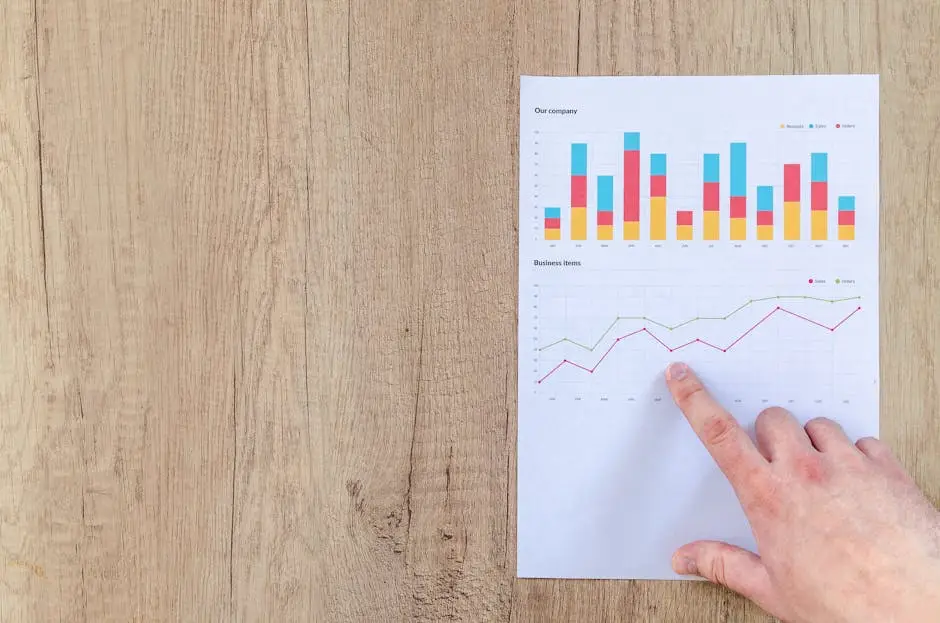
As we’ve explored, the power of AI for small business marketing lies not in a futuristic overhaul, but in practical, incremental improvements. It’s about empowering you to work smarter. From handling repetitive tasks with intelligent marketing automation to delivering hyper-relevant messages that personalize marketing for every customer, these tools act as your tireless digital assistant. You don’t need a massive budget or a data science degree to leverage artificial intelligence; you just need to identify your biggest challenge and find the right tool for the job.
The best way to begin is to pick one area from this list that resonates most. Are you struggling with content? Experiment with an AI content creation tool. Are your emails falling flat? Look into AI-powered segmentation and customer data analysis. By taking this first step, you’ll start unlocking efficiencies and insights that can redefine what’s possible for your growth. The role of AI for marketers is evolving rapidly, and by embracing these technologies now, you position your small business for a more competitive and successful future.
Learn to design effective vehicle wraps that turn heads and boost your brand. Get expert design tips for mobile advertising success, ensuring clarity and impact on the road.

Navigate Toronto sign permits and bylaws for your small business. This guide simplifies the application process, types of signs, and avoids costly penalties.

Explore the future of retail with in-store interactive signage trends. Boost customer engagement, bridge digital/physical gaps, and unlock data with AI, AR, and phygital tech.