

Window Graphics: Turn Your Storefront into a 24/7 Billboard
Transform your storefront into a 24/7 billboard! Discover how store window graphics, from decals to lettering, boost visibility, attract customers, and enhance your brand.

Think about the most recognizable voices you know. You can identify a close friend in a crowded room or a favorite celebrity on the radio just by how they speak. This same principle is the secret weapon for effective brand positioning. Your brand voice is your company’s unique personality expressed through words. It’s a core part of your brand identity that goes beyond what you say to focus on how you say it. A strong, consistent voice makes your brand instantly recognizable and helps you connect with your target audience on a deeper, more human level. It builds trust, fosters loyalty, and sets you apart from the competition. In this guide, we will walk you through the essential, actionable steps you need to create brand voice, ensuring your brand messaging is powerful, memorable, and uniquely yours.
Before we dive into the practical steps to develop brand voice, it’s crucial to grasp the foundational elements that work together. Many people use terms like brand personality and tone of voice interchangeably with brand voice, but they each play a distinct role. Think of your brand personality as the ‘who’—the set of human characteristics and values that define your brand. Is it adventurous, nurturing, or sophisticated? Your brand voice, then, is the consistent and unique expression of that personality through your brand messaging; it’s your unchanging verbal style. Finally, your tone of voice is the emotional inflection that adapts to different contexts. You might use a playful tone on social media but a more formal tone in a business proposal. Mastering these distinctions is the first step toward building a cohesive brand identity and ensuring strong brand consistency across all channels.
Think of your brand voice as your core personality—it’s consistent and doesn’t change. In contrast, your tone of voice is the emotional inflection you apply to that voice depending on the situation. For example, a brand’s voice might be ‘expert and helpful.’ When announcing a new feature, its tone could be ‘enthusiastic,’ but when addressing a customer issue, its tone would shift to be ’empathetic and serious.’ Mastering this distinction is crucial for maintaining brand consistency while appropriately adapting your brand messaging for any context.
To effectively create brand voice, consider where your company lands on four key dimensions: Funny vs. Serious, Formal vs. Casual, Respectful vs. Irreverent, and Enthusiastic vs. Matter-of-fact. This simple framework provides a practical scale to define your brand personality. By plotting your position on each spectrum, you build a clear, actionable guide for your brand messaging. This ensures greater brand consistency and helps your team consistently articulate your unique brand identity in every piece of communication.
Imagine a friend whose personality changes daily—you’d struggle to trust them. The same principle applies to your brand. Inconsistent brand messaging confuses your target audience and makes your brand feel unreliable, eroding trust. When you maintain brand consistency, your audience learns who you are and what to expect. This predictability is the bedrock of a strong relationship, transforming casual followers into loyal advocates. A consistent brand voice isn’t just a marketing tactic; it’s a promise to your audience.

With the foundational concepts firmly in place, it’s time to move from theory to action. This step-by-step guide provides a structured framework to create brand voice from the ground up, ensuring it authentically reflects your company’s core. We will begin by auditing your current communications to establish a baseline, then dive deep into defining your target audience and their expectations. From there, we’ll crystallize your core values into a distinct brand personality. Each step builds upon the last, culminating in a clear, actionable voice that strengthens your brand identity and improves your overall brand positioning. Following this process will empower you to craft consistent and compelling brand messaging that truly resonates, turning your unique voice into a powerful business asset.
Before deciding how to speak, you must know who you are. Your mission (why you exist), vision (where you’re going), and values (what you stand for) are the bedrock of your entire brand identity. An effective brand voice isn’t just clever marketing; it’s an authentic reflection of these core principles. Document these elements clearly. They serve as your north star, ensuring your brand messaging is not only consistent but also deeply rooted in your purpose and strengthens your brand positioning.
After defining who you are, the next step is to understand who you’re speaking to. Effective communication requires knowing your target audience inside and out. Go beyond basic demographics and explore their values, challenges, and communication preferences. Where do they hang out online? What kind of language do they use? When you align your brand voice with their world, your brand messaging feels less like marketing and more like a genuine conversation, which is essential to build a strong brand identity.
Before you can intentionally create brand voice, you must understand your current one. Conduct a thorough audit of all your existing content—from website copy and blog posts to emails and social media updates. Analyze the language and tone. Does it feel cohesive? More importantly, does it reflect the core values and brand personality you defined earlier? This audit establishes a critical baseline, highlighting any gaps or a lack of brand consistency and showing where your current voice deviates from your ideal brand positioning.
Now, distill your findings into a simple, powerful tool: three adjectives that define your brand voice. This exercise forces clarity and creates a memorable guide for your entire team. Are you “Playful, Witty, and Direct,” or “Empathetic, Authoritative, and Reassuring”? These words should directly reflect your brand personality and resonate with your audience. Writing them down provides a quick reference point for anyone creating content, ensuring every piece of brand messaging aligns with your core brand identity and supports consistent communication.
To make your three adjectives actionable, create a brand voice chart. This simple table provides practical guardrails for your brand messaging, translating abstract ideas into concrete rules. For each of your chosen characteristics (e.g., ‘Witty’), define what it looks like in practice with clear ‘Do’s’ and ‘Don’ts.’ A ‘Do’ might be ‘Use clever puns,’ while a ‘Don’t’ is ‘Avoid sarcasm.’ This powerful tool is essential to create brand voice that your entire team can easily apply, ensuring unwavering brand consistency.
You’ve done the foundational work: you’ve defined your core identity, analyzed your audience, and articulated your unique personality in a practical brand voice chart. However, having these assets is only half the battle. The next crucial phase is to actively implement and integrate your new brand voice across every corner of your business. This is where your meticulously planned brand positioning strategy truly comes alive. Bringing your voice to life means consistently applying it to all your brand messaging—from your website and social media to customer support emails and even internal communications. This unwavering brand consistency is what transforms a documented strategy into a living, breathing brand identity that your audience can recognize and trust. In the following steps, we’ll explore how to make your voice the standard, not the exception.
Let’s look at some brands that do this well. Nike’s brand voice is inspirational and empowering (“Just Do It”), directly reflecting its brand personality of determination and achievement. Mailchimp uses a friendly and encouraging voice, making complex tech feel accessible. And Wendy’s social media showcases an irreverent and witty voice that has set its brand messaging apart. Analyzing these examples can provide inspiration as you continue to create brand voice and refine your own unique communication style.
With your brand voice chart as your guide, the goal is now widespread implementation. This means embedding your defined voice into every touchpoint—from your website copy and social media posts to customer support emails. True brand consistency is achieved when every employee understands and applies the voice. Make your guidelines accessible to all teams and conduct regular reviews of your brand messaging to ensure it stays on track. This ongoing effort is what solidifies your brand identity and makes your voice truly your own.

Your brand voice is truly your signature—the unique and recognizable mark you leave on every interaction with your target audience. It’s the powerful undercurrent that transforms your company from just another business into a distinct and memorable brand identity. Throughout this guide, we’ve broken down the essential process to create brand voice, moving from core principles to a practical, step-by-step framework. By defining your values, understanding your audience, and creating clear guidelines, you have built the foundation for powerful communication. Remember, developing your voice is not a one-time project but an ongoing commitment to brand consistency. This unwavering dedication is what builds trust, fosters loyalty, and solidifies your brand positioning for long-term success. Now, go forward and let your authentic voice be heard, turning every piece of brand messaging into an opportunity to connect and build a lasting relationship.
Transform your storefront into a 24/7 billboard! Discover how store window graphics, from decals to lettering, boost visibility, attract customers, and enhance your brand.

Choosing the best CMS for your business? Compare WordPress, Shopify, and Squarespace side-by-side to find the ideal platform for your online store or website.
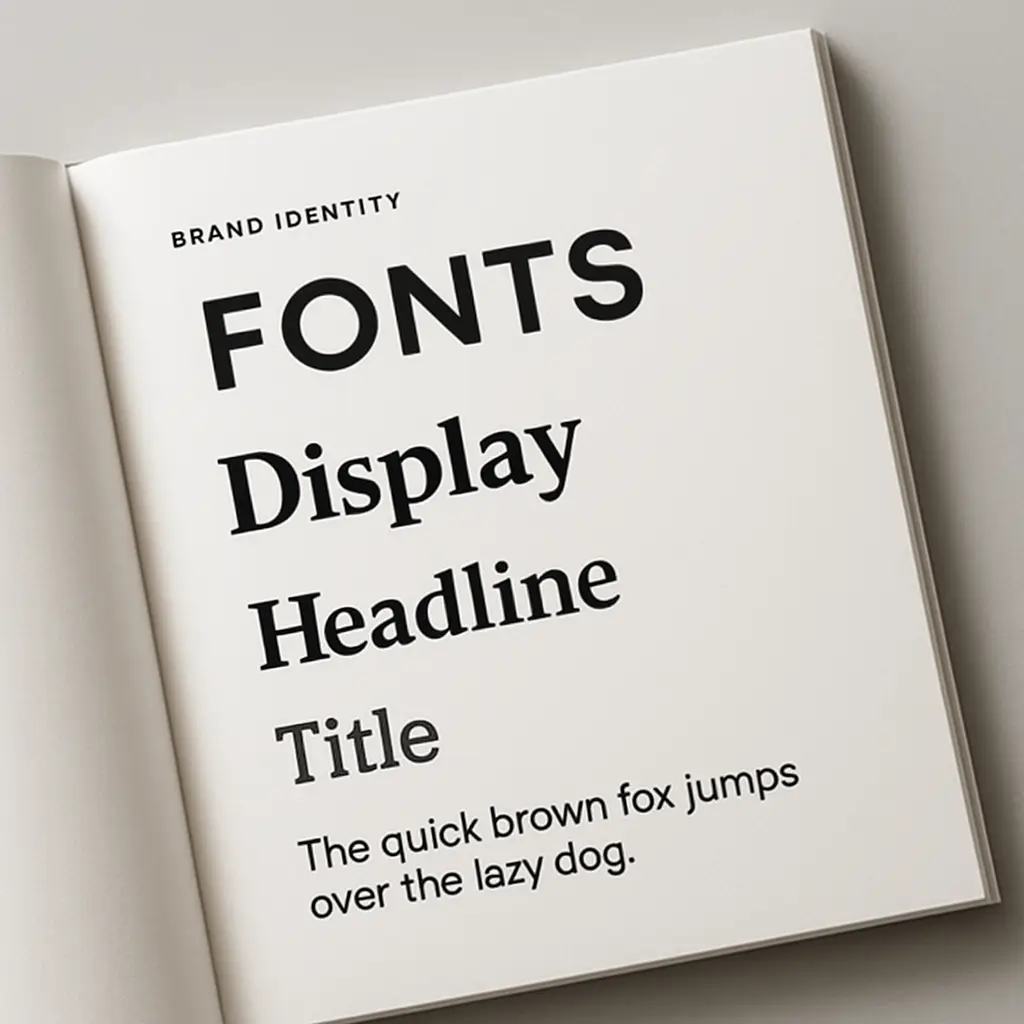
Master choosing the right fonts for your brand. Learn font psychology, pairing, and legibility to craft a powerful brand identity that connects with your audience.