

How to Choose the Right Signage for Your Small Business
Learn how to choose the right signage for your small business. This guide covers defining purpose, location, brand identity, sign types, regulations, and budget for effective results.
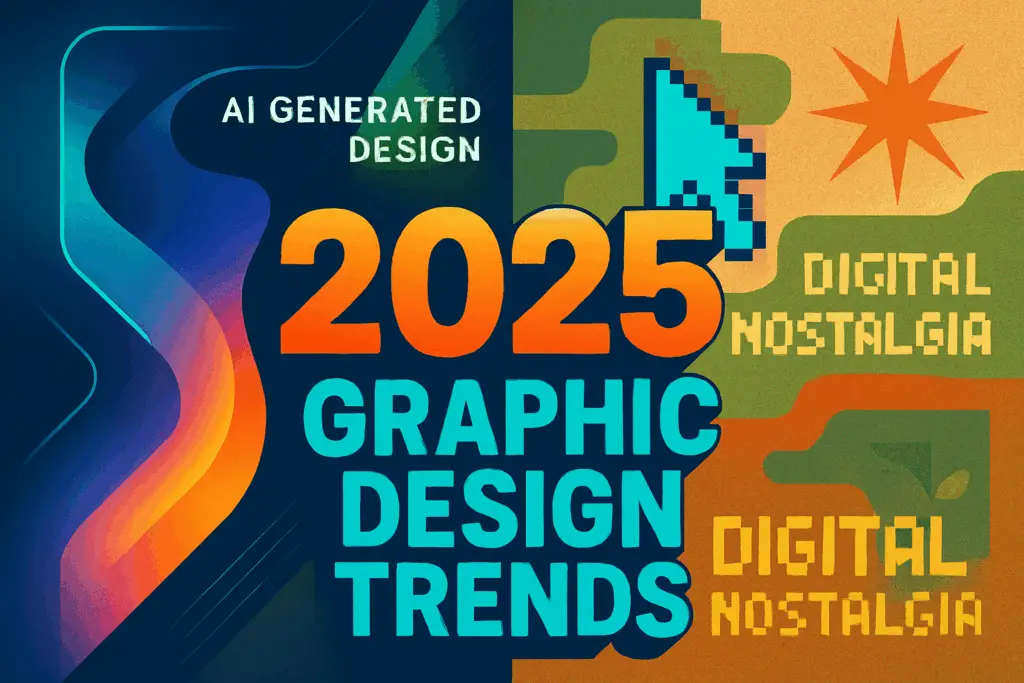
As we gaze into the creative crystal ball, the landscape of graphic design trends 2025 reveals a fascinating paradox. The visual world isn’t moving in a single direction; instead, it’s being pulled by two powerful and opposing forces. This is the core of the 2025 design forecast: a dynamic tug-of-war between hyper-futuristic technology and deeply human nostalgia. On one side, we have the explosive growth of AI generated design, which is rapidly evolving from a novelty into a core creative tool. It offers unprecedented efficiency and surreal, boundary-pushing imagery that feels entirely new.
On the other side, there’s a powerful counter-movement—a collective reach back to more tangible, familiar times. This manifests as a full-blown revival of the retro design aesthetic, celebrating everything from the raw, pixelated charm of early video games to the optimistic gloss of the Y2K era. The future of graphic design isn’t about choosing one path over the other. Rather, it’s about the exciting, and sometimes chaotic, intersection where these two worlds collide. The most compelling work of the coming year will masterfully blend the digital with the sentimental, creating visuals that are both innovative and emotionally resonant. Let’s explore the key trends born from this unique dynamic.
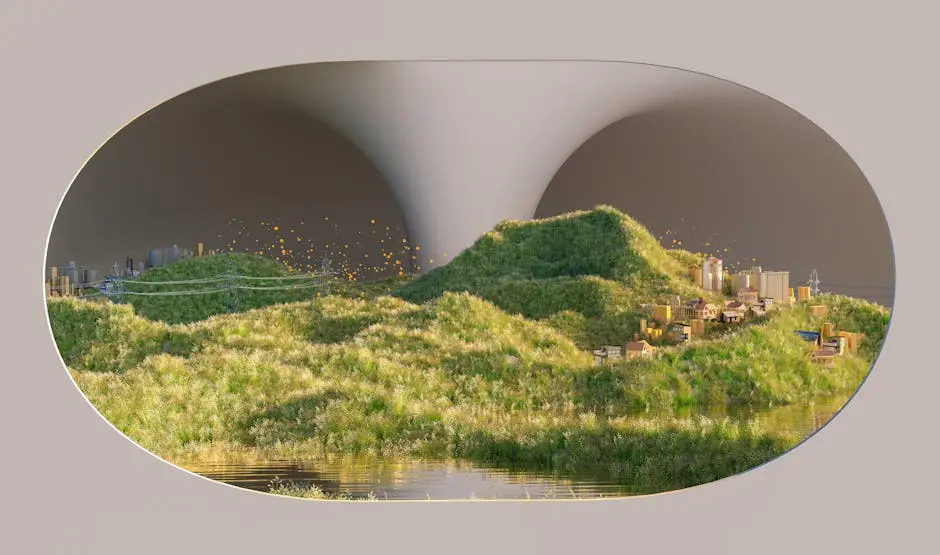
Once a futuristic concept, AI generated design is now a tangible and transformative force. The conversation has shifted from replacement to collaboration, with AI tools becoming indispensable co-pilots in the creative process. This is one of the most impactful graphic design trends 2025 will offer. Designers are leveraging generative platforms to brainstorm at lightning speed, produce complex textures, visualize surreal concepts, and create unique assets that would have been painstakingly difficult to make by hand. This augmentation frees up valuable time, allowing creatives to focus less on tedious execution and more on strategic thinking, curation, and the narrative behind their work.
The practical applications are scaling rapidly. In branding, AI can generate a vast library of on-brand patterns or social media graphics, ensuring consistency with a touch of variation. For web and UI design, it can create personalized user experiences with dynamic icons or adaptive backgrounds. We’re even seeing AI intersect with major 3D design trends, helping artists craft intricate, otherworldly digital environments and assets. The future of graphic design involves harnessing these tools not as a crutch, but as a powerful amplifier for human creativity.
In a direct response to the sleek perfection of AI, the 2025 design forecast is dominated by a powerful wave of nostalgia. The retro design aesthetic isn’t just a niche interest anymore; it’s a mainstream movement providing a comforting, human-centric alternative to futuristic visuals. Leading the charge is the unabashed return of Y2K design. Think iridescent color schemes, chunky bubble-like typography, chrome effects, and a general feeling of pre-millennium cyber-optimism. This trend pulls from the visual language of early music videos, video game consoles, and the dawn of the consumer internet, offering a playful and vibrant escape that resonates deeply with both those who lived it and a new generation discovering it for the first time.
Alongside the gloss of Y2K, we see the rise of low-fidelity graphics. Deliberate pixelation, 8-bit characters, and raw, grid-based layouts are becoming popular, especially in web and app interfaces. In a world saturated with high-resolution imagery, this stripped-back approach feels authentic, honest, and refreshingly simple. It’s a visual callback to a time when digital creativity was defined by its limitations. As one of the core graphic design trends 2025, this digital nostalgia serves a crucial purpose: it injects a sense of soul, history, and tactile imperfection into our increasingly polished high-tech world.
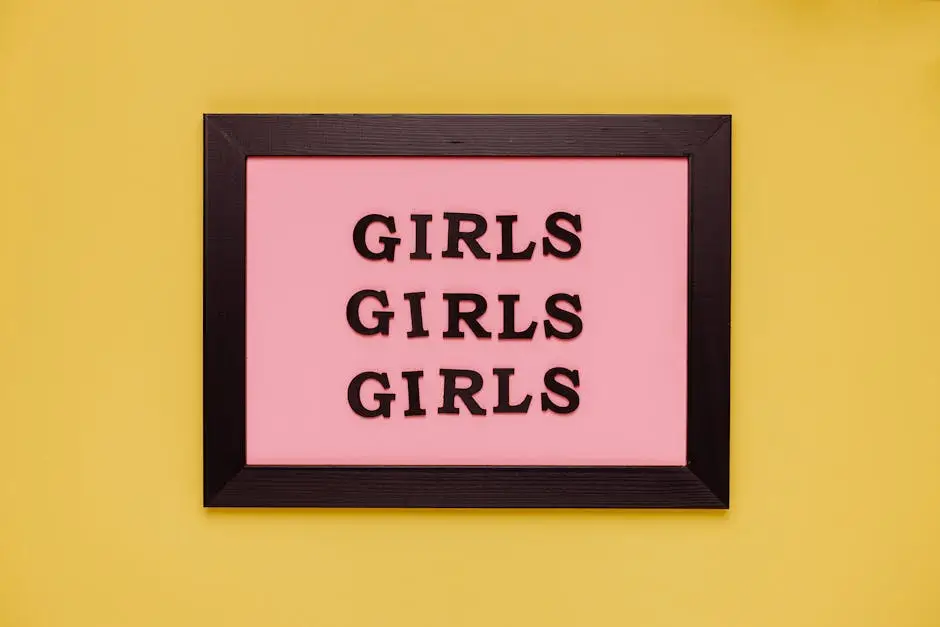
In 2025, typography is refusing to stay in the background. It’s stepping onto center stage to become the primary visual element, and sometimes, the *only* visual element. This move towards bold typography as the main event is one of the most confident graphic design trends 2025 has in store. Designers are breaking free from the constraints of legibility-first, neutral sans-serifs. Instead, they’re embracing expressive, experimental, and even custom-built fonts that are bursting with personality. We’re seeing type that is stretched, warped, liquefied, and animated—transforming letters from mere carriers of information into captivating pieces of art.
The genius of this trend lies in its application: maximalist type within minimalist layouts. By placing huge, character-rich typography against a backdrop of generous white space and simple color palettes, designers create an arresting visual contrast. The layout remains clean and uncluttered, allowing the font itself to deliver both the message and the aesthetic punch. This technique gives brands a powerful voice, ensuring their message is not just read, but felt. It’s a sophisticated approach that proves you don’t need a lot of clutter to make a huge impact.
As a grounding counterpoint to the high-tech and retro-digital aesthetics, 2025 welcomes a powerful movement toward the natural world. This rise of sustainable design reflects a collective yearning for authenticity and a deeper connection to the environment. Visually, this trend is expressed through nature-inspired palettes filled with earthy tones like terracotta, sage green, and warm beige. Textures are key, with designs incorporating the feel of recycled paper, rough stone, and unfinished wood to add a tactile, human dimension to digital screens. We’re also seeing a shift towards fluid, organic shapes and flowing lines that mimic the imperfection of nature, a stark contrast to the rigid grids of minimalist design. This is even influencing 3D design trends, with a preference for soft, biomorphic forms that feel grown rather than constructed.
This trend is more than just an aesthetic choice; it’s a communication tool. Brands are increasingly using these visuals to signal their commitment to eco-friendly practices and ethical values. By integrating hand-drawn elements, leafy motifs, and natural patterns, companies can tell a story of transparency and responsibility. The future of graphic design is intrinsically linked to purpose, and this trend allows designers to create work that is not only beautiful but also meaningful, resonating with a growing audience of conscious consumers.
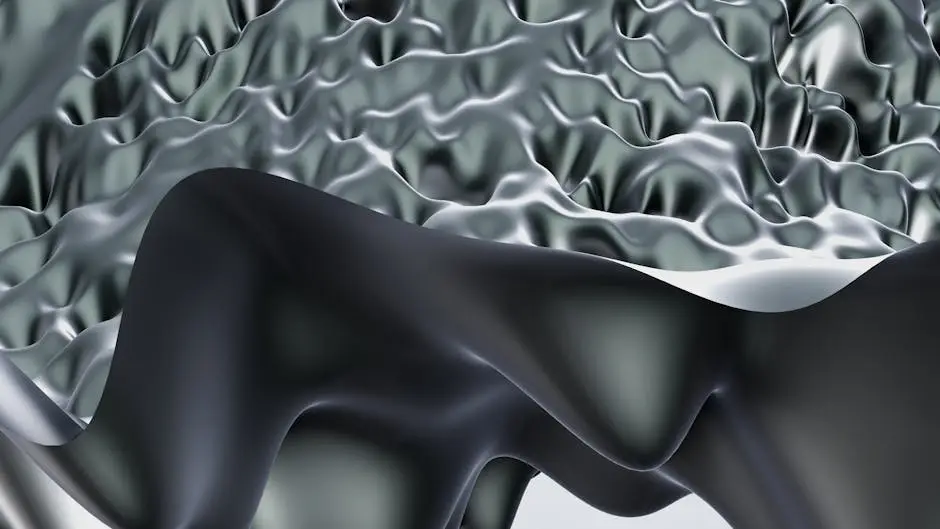
Rounding out our 2025 design forecast is a trend that injects pure energy and movement into visuals. Designers are breaking free from static layouts and rigid grids, embracing fluid, organic forms that feel as if they are in motion. These are not just simple blobs; they are abstract, liquid-like shapes that ripple, flow, and morph across the canvas. This aesthetic is heavily influenced by advancements in 3D design trends, which allow for the creation of stunningly realistic glass, metal, and water effects. Whether used as a subtle background element or a bold focal point, these amorphous forms add a layer of sophistication and dynamism that is both futuristic and natural.
This sense of movement is amplified by the use of hyper-colorful, vibrant gradients. We’re moving far beyond simple two-color fades. The gradients of 2025 are complex, multi-hued, and often incorporate grainy textures or mesh patterns to create incredible depth and visual interest. This combination of fluid shapes and saturated color palettes results in designs that feel optimistic, vibrant, and alive. As one of the most expressive graphic design trends 2025 will champion, this style is perfect for brands looking to convey innovation, creativity, and boundless energy.
The 2025 design forecast presents a vibrant, complex, and sometimes contradictory creative landscape. From the algorithmic precision of AI generated design to the heartfelt charm of the retro design aesthetic, the trends are a mirror of our modern world—simultaneously racing forward and looking back. The key for designers and brands is not to blindly adopt every new style, but to approach these trends with intention. The most successful work won’t just copy the Y2K design look; it will understand the optimistic spirit behind it. It won’t just use sustainable design motifs; it will embody the values of authenticity and care.
Think of these graphic design trends 2025 as a palette of powerful new colors to paint with. The true artistry will emerge from how you mix them. Can you combine bold typography with a subtle, AI-generated texture? Or infuse a futuristic, fluid gradient with an earthy, organic color scheme? The future of graphic design belongs to those who can strategically select and blend these elements to tell a story that is true to their brand’s core identity. By doing so, you can create work that feels not just trendy, but truly resonant and relevant.
Authenticity is key. The best trend is one that reinforces your brand’s core message. A forward-thinking tech company might embrace AI generated design and fluid gradients, while a wellness brand would connect better with the principles of sustainable design. The retro design aesthetic, like Y2K design, is perfect for brands wanting to evoke playfulness and nostalgia. Always analyze your brand’s personality and audience first, then select the trend that authentically amplifies it.
The prevailing view is that AI will be a collaborator, not a replacement. The future of graphic design sees AI as a powerful assistant for generating ideas, creating assets, and automating tedious tasks. This frees up human designers to focus on what they do best: strategic thinking, emotional storytelling, and creative problem-solving. It’s about augmenting creativity, not making it obsolete.
While many of the graphic design trends 2025 feature expressive elements like bold typography and vibrant gradients, minimalism is not gone; it has evolved. In fact, many of these maximalist trends are most effective when placed within clean, minimalist layouts. The contrast creates a powerful focal point. The core principles of minimalism—clarity and intentional use of space—remain essential tools in any great designer’s kit.
Learn how to choose the right signage for your small business. This guide covers defining purpose, location, brand identity, sign types, regulations, and budget for effective results.

Keep your outdoor signs looking new with our Sign Maintenance 101 guide. Learn how to clean, inspect, and protect business signs for lasting impact and avoid costly repairs.

Discover sustainable signage for your business in 2025. Explore eco-friendly materials like reclaimed wood, bamboo, and recycled metals, plus innovative green ideas.