

How to Use AI for SEO Content Optimization
Unlock SEO success with AI! Learn to leverage AI for keyword research, content creation, on-page optimization & auditing. Master the human-AI partnership for superior content.
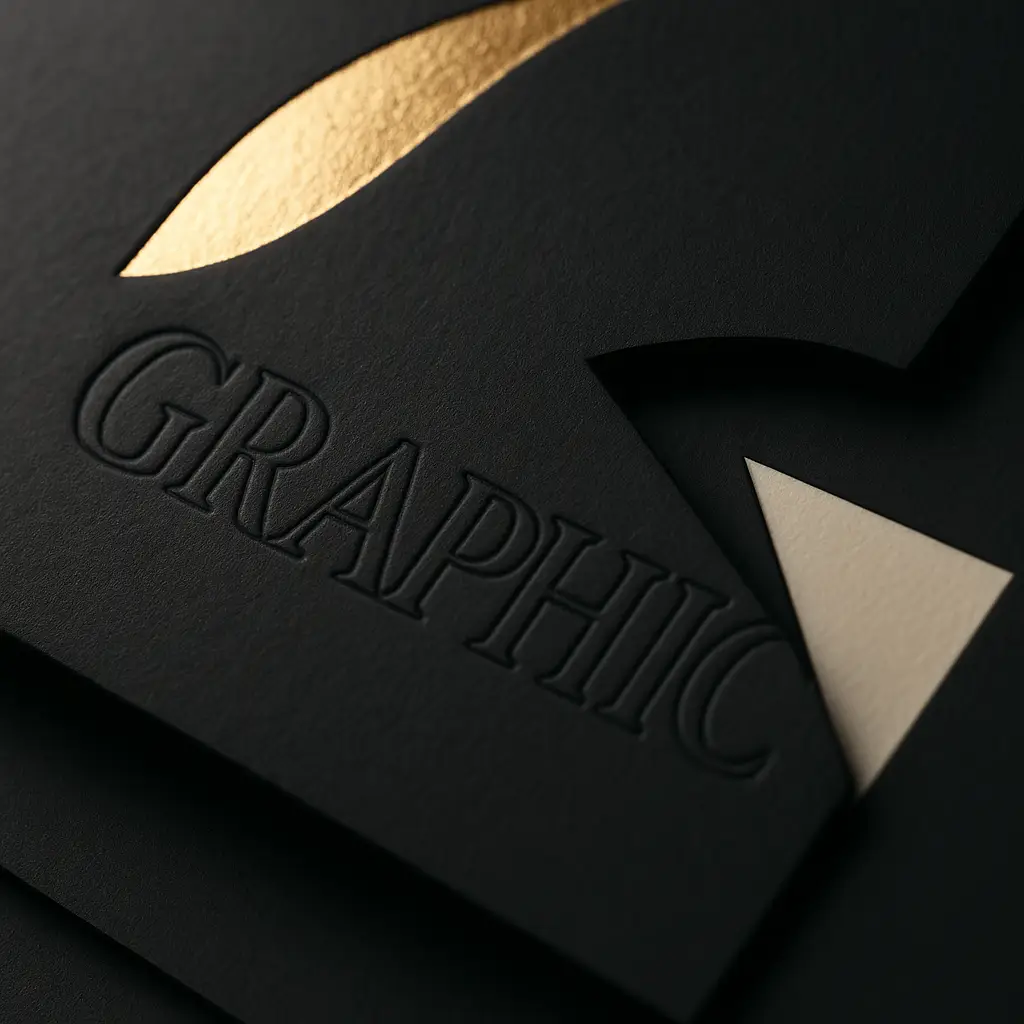
Ever picked up a business card and felt the elegant, raised lettering under your thumb? Or received an invitation with a logo that shimmered with a flash of gold? That tangible “wow” factor is the work of premium print finishing. These are sophisticated printing techniques applied after the standard ink-on-paper process, designed to elevate a piece from ordinary to extraordinary by adding texture, shine, and unique shapes.
In a world saturated with digital ads, the value of tactile marketing has never been higher. A beautifully crafted physical item makes a powerful statement, conveying quality and meticulous attention to detail. This guide will explore three of the most popular methods in custom printing: embossing, foiling, and die-cutting. We’ll explain how a raised impression is made, how metallic foil is applied through foil stamping, and how custom shapes are achieved. Understanding these options is the key to creating printed materials that are not just seen, but truly experienced and remembered.
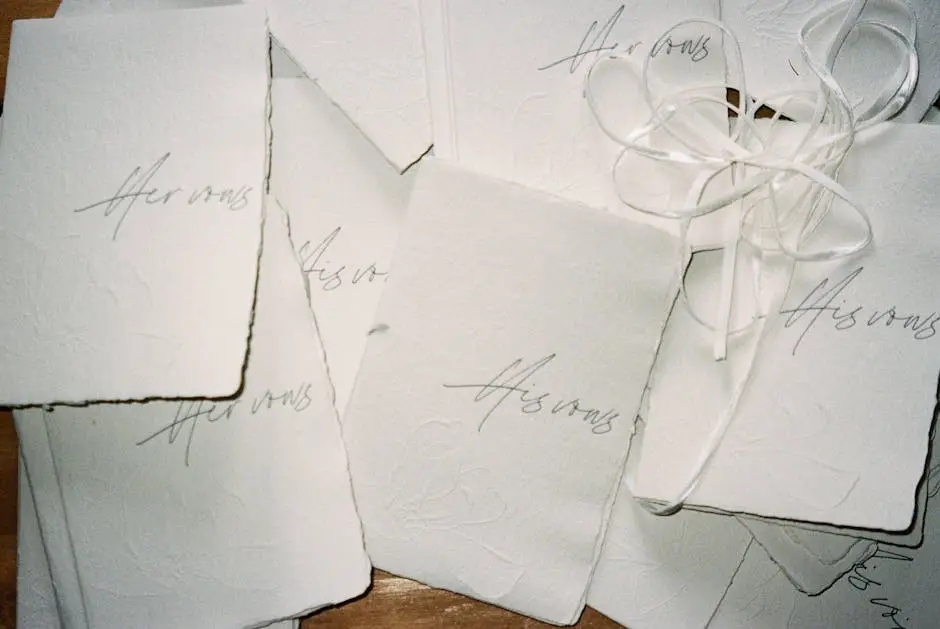
Embossing is one of the most classic and elegant printing techniques. It creates a raised impression on paper or card stock, transforming a flat design into a three-dimensional, tactile element. This is achieved without any ink; instead, a custom metal die and a counter-die press the paper between them, physically sculpting it to create the raised effect. The result is a subtle, luxurious finish that invites touch and adds a sense of premium quality to any piece.
There are two main styles of this print finishing method. A “blind emboss” is when the raised design stands on its own, creating a subtle, colorless texture. “Registered embossing” is a more complex technique where the raised impression is precisely aligned with printed ink or even metallic foil, adding dimension to a colored element. It’s also important to know about its opposite, debossing, which creates a sunken or recessed impression into the paper for a different, yet equally sophisticated, engraved look.
Embossing is ideal for adding understated elegance to logos on business cards, monograms on invitations, and intricate patterns on presentation folders or book covers. It communicates craftsmanship without shouting.
If embossing adds texture, foiling delivers pure, eye-catching glamour. Also known as foil stamping, this premium print finishing technique applies a thin layer of foil to paper, creating a crisp, opaque, and brilliantly reflective finish. Unlike metallic inks, which can appear dull as they absorb into the paper, foil sits on the surface, making it the go-to method for adding a luxurious pop to key information.
The process uses a heated metal die engraved with your design. This die presses a film of foil against the paper, and the combination of heat and pressure permanently transfers the foil onto the surface. This precision ensures even the finest details are captured with a sharp edge. The world of metallic foil is incredibly diverse, with common options including:
Use foil stamping to highlight company names, headlines on report covers, or dates on event invitations. It’s the perfect way to draw the eye and make a design element feel exceptionally important and high-end.
While embossing and foiling alter the surface of the paper, die-cutting transforms its fundamental shape. Think of it as a highly precise, industrial-strength cookie cutter for paper. This is the print finishing technique that allows you to break free from the standard rectangle, creating everything from simple rounded corners to completely unique silhouettes that make a printed piece truly interactive and memorable.
The process uses a custom-made tool called a die—a sharp steel blade bent into the desired outline. This die is then pressed with immense force onto the paper stock, cleanly cutting out the shape. It’s important to distinguish this from “kiss-cutting,” a similar technique where the die only cuts through a top layer (like a sticker) while leaving the backing paper intact. A standard die-cut goes all the way through.
The creative applications for die-cutting are virtually limitless in custom printing. Common uses include:
While discussing embossing, foiling, and die-cutting, a few related printing techniques often come up. Understanding them provides a more complete picture of what’s possible in high-end custom printing.
For every action, there is an equal and opposite reaction, and the same is true in print finishing. The direct counterpart to embossing is debossing. As the name suggests, this technique creates a sunken or recessed impression in the paper stock. Instead of a raised impression, the die presses into the paper, creating an elegant indentation. This offers a subtle, understated look that feels classic and refined. While both techniques provide a tactile experience, debossing creates depth by pushing the design down rather than lifting it up.
You may hear debossing discussed alongside letterpress, and for good reason. Letterpress is one of the oldest printing techniques, where an inked plate is physically pressed into soft, thick paper to transfer the design. This process naturally creates a debossed effect, giving text and images a distinct, touchable quality. While modern debossing can be done without ink (a “blind deboss”), the effect is rooted in this classic method, renowned for its handcrafted feel and sophisticated charm.
While all three of these premium printing techniques elevate print, they serve very different purposes. Seeing embossing, foiling, and die-cutting compared directly helps clarify which one is the right choice for your project’s vision.
The core difference here is tactile versus visual. Embossing creates a physical raised impression on the paper, adding a subtle, sophisticated texture that you can feel. Foiling, or foil stamping, adds a visual layer of brilliant, reflective metallic foil to the surface. Choose embossing for understated elegance and a touchable quality; choose foiling to make key elements pop with eye-catching glamour.
This comparison is about decoration versus construction. Foiling decorates the surface of the paper, adding a finish on top of the existing shape. Die-cutting, however, fundamentally changes the shape of the paper itself, cutting it into a new silhouette. Choose foiling to highlight a logo on a rectangular card; choose die-cutting to make the card itself shaped like your logo.
The true magic of custom printing happens when these techniques are combined. A “foil emboss,” for instance, involves first applying foil and then embossing that same area, creating a stunning design that is both shiny and raised. Likewise, a die-cut shape can be enhanced with an elegant embossed border or a debossed logo. Layering these print finishing methods creates a multi-sensory piece that communicates unparalleled quality and leaves a lasting impression.
To help you speak the language of custom printing, here’s a quick reference for the main printing techniques we’ve discussed.
You are now equipped with the vocabulary to elevate your print projects from standard to standout. With a clear understanding of the key differences between embossing, foiling, and die-cutting, the right choice ultimately depends on your project’s goal. Whether you’re aiming for the subtle, tactile sophistication of a raised impression from embossing, the brilliant shine of foil stamping, or the creative freedom of die-cutting, you can now make an informed decision that best serves your brand.
Remember, these premium print finishing methods are more than just decorative add-ons; they are powerful communication tools. They lend tangible weight, a sense of quality, and a memorable interactive element that digital media simply cannot replicate. By understanding these diverse printing techniques, you can confidently collaborate with your custom printing partner to bring your vision to life. Go beyond simply printing your message—create a physical experience that people won’t just see, but will want to hold onto and remember.
Unlock SEO success with AI! Learn to leverage AI for keyword research, content creation, on-page optimization & auditing. Master the human-AI partnership for superior content.

Transform your storefront! Discover 10 innovative outdoor sign ideas, from witty A-frames to stunning murals, to make your business stand out and attract more customers.

Unlock the secrets to effective small business signage! Learn how to choose the right signs for branding, attracting customers, and boosting your business. Get expert tips on design, materials & permits.