

How to Use AI for SEO Content Optimization
Unlock SEO success with AI! Learn to leverage AI for keyword research, content creation, on-page optimization & auditing. Master the human-AI partnership for superior content.

Think of your most dedicated employee—the one who works around the clock, never calls in sick, and consistently makes a great first impression. For any small business, that employee is your sign. It’s your silent, 24/7 salesperson, working tirelessly to capture attention and broadcast your brand to the world. More than just a marker on a building, effective small business signage is a critical marketing asset. It’s often the very first interaction a potential customer has with your business, powerfully shaping their perception before they even step inside. That’s why learning how to choose business signage isn’t just a logistical task; it’s a strategic decision. A great sign reinforces your brand identity, drives foot traffic, and sets you apart from the competition. In this guide, we’ll walk you through the essential steps to ensure your sign works as hard as you do.

Jumping straight into browsing different types of signage can be overwhelming. To make the process manageable and ensure you make a smart investment, it’s essential to first lay a strategic foundation. The key to figuring out how to choose business signage that truly works for you is to answer a few foundational questions. Getting these right will guide every subsequent decision, from design to installation. Before you get lost in fonts and materials, take a moment to define your core needs. What is the primary signage purpose? Are you trying to pull in foot traffic with bold storefront signs, or provide clear directions with helpful indoor signs? What is your realistic signage budget? Finally, how will the final product reinforce your unique brand identity? Having clear answers to these questions is the most critical step in the entire process.
Every sign has a job. Your first step is to define what you need it to accomplish. Is its primary role to build brand awareness, making your business a recognizable landmark? Or is it purely functional, like helpful indoor signs guiding customers to the right department? Maybe its goal is promotional, announcing a seasonal sale. A large, illuminated storefront sign serves a very different purpose than a simple A-frame on the sidewalk. Pinpointing this main goal—branding, direction, or promotion—is crucial to making a smart choice.
Your sign’s primary job is to attract a specific type of person. So, who are you trying to reach? A sleek, minimalist signage design might appeal to a tech-savvy, urban clientele, while a sign with rustic wood and warm lighting could attract customers seeking a cozy, boutique experience. The colors, fonts, and materials you select should resonate with your target audience’s tastes and expectations. Getting this right ensures your sign doesn’t just announce your location—it sends a clear signal that they’ve come to the right place.
The physical placement of your sign is a critical decision that dictates everything from materials to maintenance. An outdoor sign, like your main storefront sign, must be built to withstand the elements—sun, rain, and wind. This requires durable, weather-resistant materials designed for long-term visibility. In contrast, indoor signs offer more creative freedom with materials and intricate signage design, as they are protected from harsh conditions. Knowing this distinction is fundamental when learning how to choose business signage that lasts.
Defining your signage budget is a practical but essential step that grounds your vision in reality. It’s important to think beyond the initial price tag of the sign itself. A comprehensive budget should also account for potential costs like professional signage design services, city permits, installation fees, and even future maintenance. Establishing a clear financial range upfront isn’t about limiting your creativity; it’s about focusing your efforts and helping you choose a business sign that provides the best possible value and impact for your investment.
Once you have a solid foundation built on your purpose, audience, location, and budget, you can confidently explore the different types of signage available. Making sense of all the options is the next crucial step in learning how to choose business signage that will deliver results. The world of small business signage is vast, but most options fall into two broad categories: outdoor signs designed to attract attention and drive traffic, and indoor signs meant to inform, guide, and enhance the customer experience. Each category contains a variety of sign types, from bold, illuminated storefront signs and monument signs to subtle wayfinding systems and professional lobby signs. Understanding the primary function and visual impact of each type will empower you to match the right sign to the specific job you need it to do, ensuring your investment makes a powerful and lasting impression.
Your outdoor signs are the most critical piece of your small business signage puzzle, as they create that vital first impression. Their job is to grab attention from the street and pull customers in. Classic storefront signs mounted on your building establish your brand identity and location. Freestanding monument signs offer great visibility for businesses set back from the road, while portable A-frame signs are perfect for sidewalk-level promotions. The right choice here directly impacts foot traffic and brand recognition.
Once your outdoor signs bring customers in, your indoor signs take over to shape their experience. These critical components guide, inform, and reinforce your brand identity from within. A professional lobby sign makes a strong first impression, while clear wayfinding signs (e.g., for restrooms or departments) ensure easy navigation and reduce frustration. Don’t overlook decorative options like wall murals, which can transform a space and tell your brand’s story. These various types of signage work together to create a cohesive, positive customer journey.
Don’t overlook your most valuable, customer-facing real estate: your windows. Window graphics and decals are one of the most versatile and cost-effective types of signage. From elegant frosted vinyl that adds privacy and class, to vibrant, full-color graphics announcing a sale, they turn empty glass into a powerful marketing tool. This form of small business signage is perfect for displaying your logo, hours, and services, reinforcing your brand identity at eye-level while leaving your sidewalk and interior space completely clear.
Beyond marketing, certain types of signage are essential for function and legal compliance. Informational signs—like hours of operation or directories—provide crucial details. More importantly, ADA-compliant signs (for restrooms, exits, etc.) are a legal requirement, not an option. These indoor signs must meet specific standards, including braille and tactile text. Getting this right is a non-negotiable step when learning how to choose business signage, ensuring your space is accessible and welcoming to every customer.
Why limit your advertising to one location? Vehicle graphics transform your company car or van into a mobile billboard, making them one of the most powerful types of signage for local marketing. This moving advertisement reinforces your brand identity across your entire service area, reaching thousands of potential customers daily. From a full, eye-catching wrap to simple, professional decals, this is a cost-effective form of small business signage for any company that operates on the road, turning every service call into a marketing opportunity.

Once you’ve identified the right types of signs for your needs, the next critical step in learning how to choose business signage is focusing on the design itself. A powerful signage design is more than just art; it’s a science of communication. The single most important principle is readability. Can a potential customer absorb your message in a few seconds from a distance? This requires clean, bold fonts and strong color contrast between the text and background. Simplicity is equally vital. Avoid the temptation to cram too much information onto one sign—a cluttered message is an ignored message. Finally, every element must reinforce your brand identity. The colors, logo placement, and overall tone should align perfectly with your other marketing efforts to build a cohesive and recognizable brand. Getting these design fundamentals right ensures the small business signage you choose will capture attention and drive results.
Readability is paramount in effective signage design. Choose clean, simple fonts (like sans-serif) over complex scripts that are hard to decipher at a glance. The size of your text must be large enough to be legible from the distance your customers will see it, whether from the street or across a room. Finally, ensure high contrast between your text and background—think dark letters on a light background or vice versa. This simple rule makes your message pop and is fundamental when learning how to choose business signage.
Color is a powerful, non-verbal communicator in your signage design. The colors you choose instantly evoke emotion and must be in perfect harmony with your established brand identity. Your sign is not the place to experiment with a new palette; it should reinforce the colors from your logo, website, and other marketing materials. This consistency builds brand recognition and trust. Whether you use blue to signal dependability or a vibrant yellow to convey energy, sticking to your brand’s colors is crucial for effective small business signage.
In effective signage design, less is truly more. A common mistake with small business signage is trying to say too much. Your sign is not a brochure; its message must be understood in a few seconds. Focus on the essentials: your business name, your logo, and perhaps a short tagline explaining what you do (e.g., “Artisan Bakery”). A clean, uncluttered design is easier to read and remember, ensuring your core brand identity shines through without overwhelming potential customers.
The materials you select are as crucial as the visual signage design, directly impacting your sign’s lifespan and appearance. For durable outdoor signs, weather-resistant options like aluminum, acrylic, or high-density urethane are essential to withstand sun and rain. In contrast, indoor signs offer more creative freedom with materials like wood, PVC, or brushed metal to complement your interior aesthetic. Choosing the right material ensures your small business signage remains a professional, long-lasting asset for years to come.
An often-overlooked but absolutely critical step in learning how to choose business signage is navigating the world of local laws and permits. Before you fall in love with a specific signage design or material, you must understand your municipality’s regulations. Nearly every city and town has zoning ordinances that strictly govern the size, placement, height, and even illumination of outdoor signs. Ignoring these rules can lead to hefty fines and the costly, frustrating order to remove your brand-new sign. To avoid this headache, make your local planning or building department your first stop. They can provide the specific guidelines for your commercial zone. Many professional sign companies are well-versed in these local codes and can manage the permitting process on your behalf, ensuring your small business signage is not only effective but also fully compliant from day one.
Zoning laws are local ordinances that dictate what you can build and where. For your small business signage, these rules will specify everything from the maximum size and height of your outdoor signs to their exact placement on the property. They can even restrict specific features like illumination or certain materials. What’s allowed in a historic district will be very different from a modern retail park. Understanding your specific zone’s rules is a non-negotiable step when learning how to choose business signage that gets approved.
Even after reviewing zoning laws, you must communicate directly with two key parties. First, if you lease your commercial space, consult your landlord or property manager. They often have their own specific criteria for storefront signs—sometimes even stricter than city code—to maintain a uniform aesthetic for the property. Second, your local municipality’s permit office is the authority that grants final approval. Engaging both parties early is a vital part of learning how to choose business signage that avoids costly redesigns and delays.
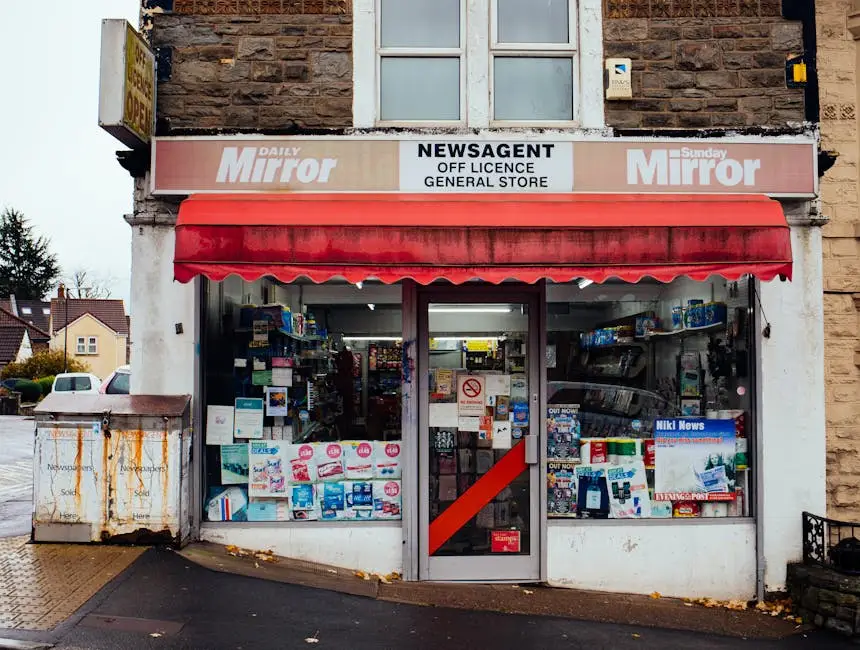
Choosing the right sign is one of the most visible and lasting decisions you’ll make for your company. As we’ve covered, learning how to choose business signage is a strategic process that goes far beyond simply picking a nice design. It begins with a strong foundation: defining your unique signage purpose, audience, location, and budget. With that clarity, you can navigate the diverse types of signage to find the perfect fit, from attention-grabbing storefront signs to functional indoor signs. Remember that a powerful signage design—one that is readable, simple, and consistent with your brand identity—is what turns an expense into a hardworking asset. By following these steps and considering all the factors from materials to city permits, you are empowered to make an informed choice. You can now invest confidently in small business signage that will act as your 24/7 salesperson, attracting customers and building your brand for years to come.
Unlock SEO success with AI! Learn to leverage AI for keyword research, content creation, on-page optimization & auditing. Master the human-AI partnership for superior content.

Transform your storefront! Discover 10 innovative outdoor sign ideas, from witty A-frames to stunning murals, to make your business stand out and attract more customers.
Unlock the secrets to effective small business signage! Learn how to choose the right signs for branding, attracting customers, and boosting your business. Get expert tips on design, materials & permits.