

Design Effective Vehicle Wraps That Turn Heads
Learn to design effective vehicle wraps that turn heads and boost your brand. Get expert design tips for mobile advertising success, ensuring clarity and impact on the road.
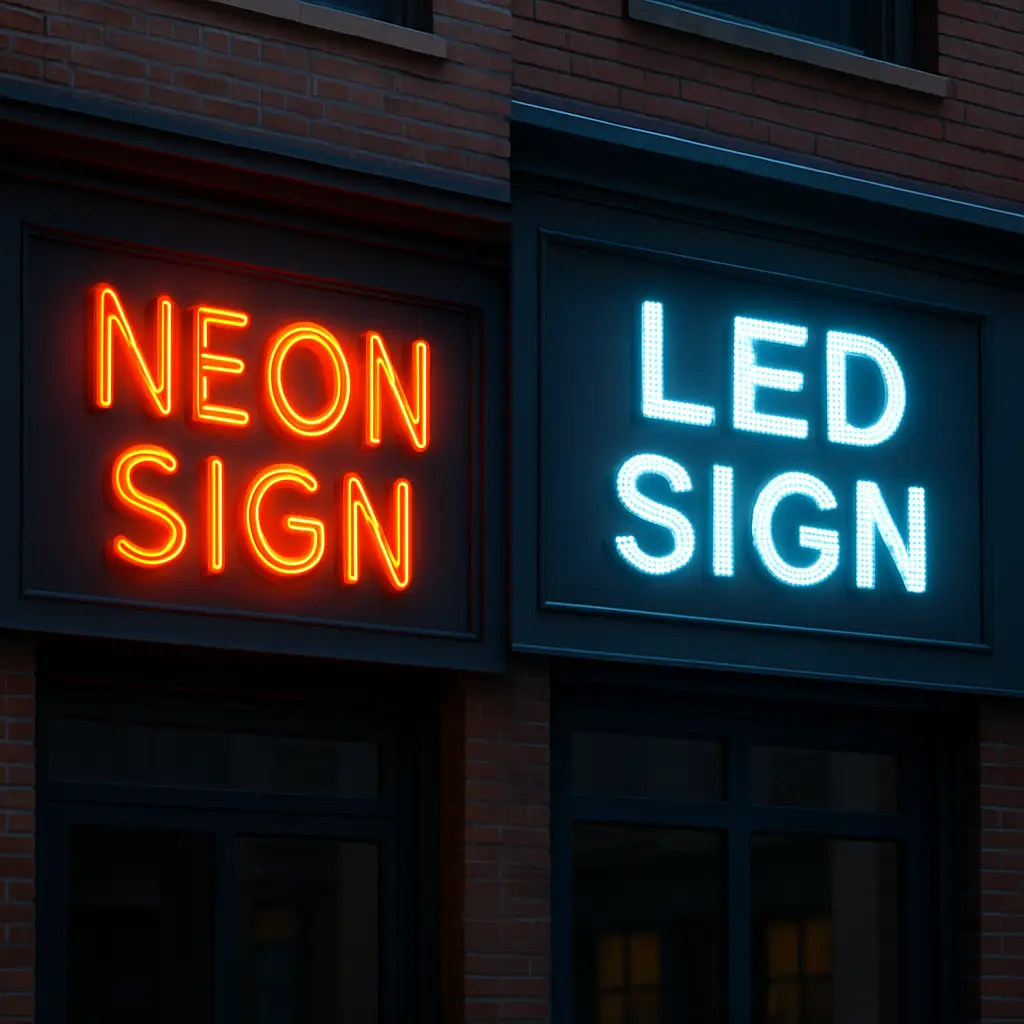
Your business sign is far more than just a marker for your location; it’s your silent salesperson, your 24/7 brand ambassador, and the first physical handshake you offer potential customers. It has the power to draw eyes from across the street, set the mood before anyone steps inside, and become a memorable landmark in your community. Investing in the right signage is a critical decision that directly impacts your brand’s visibility and identity. This brings us to a crucial choice for modern business owners: selecting the right illumination technology to bring your name to life. The classic, glowing allure of traditional glass or the vibrant, efficient promise of modern tech? This is the core of the neon vs led signs debate, a decision that affects everything from your budget to your brand’s aesthetic. In this guide, we’ll break down the key differences to help you choose wisely.

When you picture a classic, glowing sign, you’re likely thinking of traditional neon. These iconic business signs get their signature look from a fascinating, century-old technology. Artisans meticulously bend hollow glass tubes into letters and shapes. These sealed tubes are then filled with a small amount of an inert gas—typically neon, which produces a distinct reddish-orange glow, or argon, which is used with phosphorescent powders to create a spectrum of other colors. To illuminate the sign, a high-voltage current is passed through the gas, causing it to ionize and emit that famous, warm, and continuous light. This handcrafted process gives traditional neon its unmistakable nostalgic aesthetic and unique visual appeal. However, the use of fragile glass and high voltage are critical points to consider later in the neon vs led signs comparison, directly impacting factors like sign durability and safety.
While neon gas itself produces only its signature fiery red, the rainbow of colors seen in classic signs comes from clever chemistry. Artisans use other gases, like argon, which emit a pale blue or ultraviolet light. To create greens, pinks, and yellows, the inside of the glass tubes are coated with different phosphorescent powders. When the energized gas emits light, it excites these powders, causing them to glow in their designated color. This handcrafted, multi-step process is what gives each traditional sign its unique, warm character.
First introduced in the early 20th century, neon signs quickly became synonymous with the vibrant energy of modern cities. Their iconic glow defined the aesthetic of mid-century Americana, from bustling cityscapes like Times Square to classic roadside diners and theaters. This rich history is the source of their powerful nostalgic appeal. For many, these classic business signs are more than just lights; they are tangible pieces of cultural heritage, chosen specifically to capture an authentic, vintage character that is difficult to replicate.
Enter the LED sign, a modern powerhouse that has fundamentally changed the game for illuminated signage. Unlike the gas-filled glass tubes of their predecessors, LED signs use Light Emitting Diodes—tiny, solid-state semiconductors that produce brilliant light when a low-voltage current passes through them. To create the familiar glowing letters and shapes for business signs, these efficient diodes are either precisely arranged on a backing or encased in flexible polymer tubing that brilliantly mimics the look of classic neon without the fragility. This technological leap is the core of the led vs neon signs comparison, unlocking massive led sign benefits. It provides superior energy efficiency, enhanced durability, and greater design versatility, establishing LED technology as the go-to choice for businesses seeking a powerful, cost-effective, and long-lasting visual presence.
The magic behind an LED sign’s ability to replicate the classic neon look lies in clever engineering. Instead of individual, exposed bulbs, small LEDs are encased within flexible polymer or silicone tubing. This casing acts as a diffuser, scattering the light from the pinpoint sources to create a smooth, unbroken line of vibrant color. This technique masterfully imitates the continuous glow of a gas-filled glass tube, which is why these modern fixtures are often marketed as custom neon signs, delivering the sought-after aesthetic without the associated fragility.
The widespread adoption of LED technology isn’t just a trend; it’s a practical revolution driven by clear advantages. Businesses from local cafes to national franchises have embraced LEDs for their powerful combination of performance, reliability, and lower long-term costs. The superior energy efficiency and robust construction reduce operational expenses and maintenance headaches. This practicality, combined with endless design flexibility, has solidified LED as the modern standard, offering a smart and sustainable investment for nearly any brand.

Now that we’ve explored the classic charm of neon and the modern efficiency of LED, it’s time for the ultimate showdown. While both technologies can create stunning visual displays, the best choice for your business depends on a direct, practical comparison. The neon vs led signs debate hinges on several crucial factors that directly impact your bottom line and operational efficiency. In the following sections, we will dive deep into a head-to-head analysis, comparing them on key metrics like upfront and long-term sign cost, overall sign lifespan, critical energy efficiency, and day-to-day sign durability. We’ll also examine differences in sign brightness and maintenance requirements. By breaking down these core elements, you’ll gain a clear understanding of which technology offers the superior investment for your brand’s future.
When considering sign cost, the initial price is only half the story. Traditional neon signs often carry a higher upfront cost due to the specialized, handcrafted labor required to bend the glass tubes. While a custom LED sign is also an investment, the long-term savings are where it truly excels. The neon vs led signs financial debate heavily favors LED in the long run, thanks to its superior energy efficiency and minimal maintenance needs. These factors translate into significantly lower electricity bills and fewer repair costs over the sign’s lifespan.
When it comes to energy efficiency, the neon vs led signs debate is overwhelmingly one-sided. LED technology is the clear champion, consuming up to 70-90% less power than traditional neon signs to produce the same level of brightness. This dramatic reduction in energy use translates directly into lower monthly electricity bills and a significantly smaller carbon footprint for your business. For owners focused on both operational savings and sustainability, this efficiency is one of the most critical led sign benefits, making it the smarter, greener choice.
The conversation around sign durability highlights one of the most practical differences in the neon vs led signs matchup. Traditional neon is inherently fragile, crafted from glass tubes that can easily crack or break during shipping, installation, or from accidental impact. Conversely, LED signs are built for modern resilience. Encased in durable PVC or silicone, they are virtually shatterproof and far better suited to withstand the rigors of a commercial setting. This robust construction significantly reduces maintenance needs and contributes to a much longer overall sign lifespan.
Safety is a non-negotiable factor for any business, and it’s a critical point in the neon vs led signs debate. Traditional neon signs operate on dangerously high voltages to energize the gas within their fragile glass tubes, which also get hot to the touch. Some colors even contain small amounts of mercury, posing a hazard if the sign breaks. In stark contrast, LED business signs are far safer, running on a low-voltage system that remains cool, eliminating fire and burn risks. Their solid-state design means no breakable glass or hazardous gases, making them the superior choice for workplace safety.
When it comes to pure sign brightness, LED signs typically have the edge. They produce a sharper, more intense light that is highly visible, even in direct sunlight. This makes them exceptionally effective for grabbing attention from a distance. In the neon vs led signs visual debate, however, traditional neon offers a unique quality—a warm, continuous, 360-degree ambient glow that is softer on the eyes. While modern LEDs do an excellent job mimicking this look, the choice often comes down to aesthetic preference: the crisp, vibrant punch of LED or the classic, radiant character of neon.
Longevity is a crucial factor in the neon vs led signs debate, and the difference is stark. A well-made LED sign boasts an impressive sign lifespan of 50,000 hours or more, providing years of consistent performance. In contrast, traditional neon signs typically last around 10,000 hours before their gas may need recharging or transformers require replacement. Over their exceptionally long life, LEDs experience a slow, gradual dimming rather than sudden failure, ensuring your sign remains effective for far longer with minimal intervention.
After breaking down the core differences, the verdict in the neon vs led signs debate becomes remarkably clear for the vast majority of business owners. While the nostalgic allure of traditional neon is undeniable, LED technology emerges as the decisive winner for modern applications. The argument is built on a foundation of tangible advantages: superior energy efficiency leading to lower operational costs, a significantly longer sign lifespan, and robust durability that minimizes maintenance headaches. When you factor in the enhanced safety of its low-voltage operation and brighter, more versatile display options, the list of led sign benefits is simply overwhelming for most commercial scenarios.
Does this mean traditional neon is obsolete? Not entirely. For a niche business aiming to capture a purely authentic, vintage aesthetic where budget is a secondary concern, the handcrafted glow of real neon remains a powerful artistic choice. However, for a practical, high-performance, and cost-effective investment in your brand’s visibility, LED is the undisputed champion for modern business signs.
While LED wins the practical battle, the neon vs led signs debate isn’t always about practicality. Traditional neon is the undisputed choice when authenticity is paramount. For businesses cultivating a specific vintage vibe—like a retro arcade, a classic barbershop, or an art installation—the unique, warm glow of handcrafted glass is simply irreplaceable. Choosing a true neon sign is a deliberate investment in character and artistry, perfect for when the sign itself is as important as the name it displays.
For nearly every other business, the choice in the neon vs led signs debate is clear. If you prioritize lower running costs, greater sign durability, and a long-term, low-maintenance investment, LED is the definitive answer. It’s the ideal solution for high-traffic retail stores, modern restaurants, corporate offices, and any enterprise focused on maximizing visibility and operational efficiency. The powerful combination of brightness, reliability, and cost-effectiveness makes LED the practical and strategic choice for building a strong brand presence in today’s competitive market.
Even with a detailed breakdown, making the final call in the neon vs led signs debate can bring up specific, practical questions. This decision is a significant investment in your brand’s identity, and it’s natural to want every detail clarified before you commit. To help you move forward with confidence, we’ve compiled and answered some of the most frequently asked questions we receive from business owners. From concerns about the nuances of custom neon signs and color options to the real-world environmental impact and installation specifics, this section provides quick, direct answers. Our goal is to address any lingering uncertainties you might have, ensuring you have all the information needed to select the perfect illuminated signage that will serve your business effectively for years to come. Let’s dive into the common queries that can help finalize your choice.
When comparing the total sign cost, LED signs are almost always cheaper than traditional neon in the long run. While the initial purchase price for a custom sign can sometimes be similar, the major savings emerge from operational expenses. Thanks to superior energy efficiency, LEDs consume far less electricity, dramatically lowering your monthly power bills. Furthermore, their robust construction minimizes repair needs, unlike fragile neon. This combination of lower energy use and reduced maintenance makes LED the more budget-friendly and cost-effective choice for most businesses.
Yes, traditional neon signs are known for their high power consumption. This is a crucial factor in the neon vs led signs comparison. Neon signs require high-voltage transformers to energize the gas within the glass tubes, a process that is inherently inefficient. In contrast, LED technology is exceptionally efficient, using a fraction of the power to produce brilliant light. This means a neon sign will result in significantly higher electricity bills compared to an LED sign of a similar size and brightness, reinforcing the superior energy efficiency of modern LEDs.
LED signs have a dramatically longer operational life, a major advantage in the neon vs led signs debate. A typical LED sign boasts a sign lifespan of 50,000 hours or more. In contrast, a traditional neon sign generally lasts around 10,000 hours before its gas may need to be refreshed or components replaced. This five-fold increase in longevity means fewer maintenance worries and a more reliable, long-term investment for your business, making LED the clear winner for durability and performance over time.

Choosing the right illuminated sign is one of the most visible investments you can make in your brand’s identity. Throughout this guide, the neon vs led signs debate has consistently pointed to a clear frontrunner for the modern business. While the classic glow of neon holds a timeless, artistic appeal, the practical advantages of LED technology are simply too significant to ignore for most applications. For any business owner focused on performance, sustainability, and long-term value, the decision becomes remarkably straightforward. The superior energy efficiency, exceptional durability, and longer lifespan of modern LED business signs translate directly into lower operational costs and greater peace of mind. These are not just minor upgrades; they represent a smarter, more resilient way to make your brand shine. By investing in LED, you are choosing a technology that aligns with forward-thinking business strategy, ensuring your brand remains brilliantly and reliably illuminated for years to come.
Learn to design effective vehicle wraps that turn heads and boost your brand. Get expert design tips for mobile advertising success, ensuring clarity and impact on the road.

Navigate Toronto sign permits and bylaws for your small business. This guide simplifies the application process, types of signs, and avoids costly penalties.

Explore the future of retail with in-store interactive signage trends. Boost customer engagement, bridge digital/physical gaps, and unlock data with AI, AR, and phygital tech.