

Window Graphics: Turn Your Storefront into a 24/7 Billboard
Transform your storefront into a 24/7 billboard! Discover how store window graphics, from decals to lettering, boost visibility, attract customers, and enhance your brand.
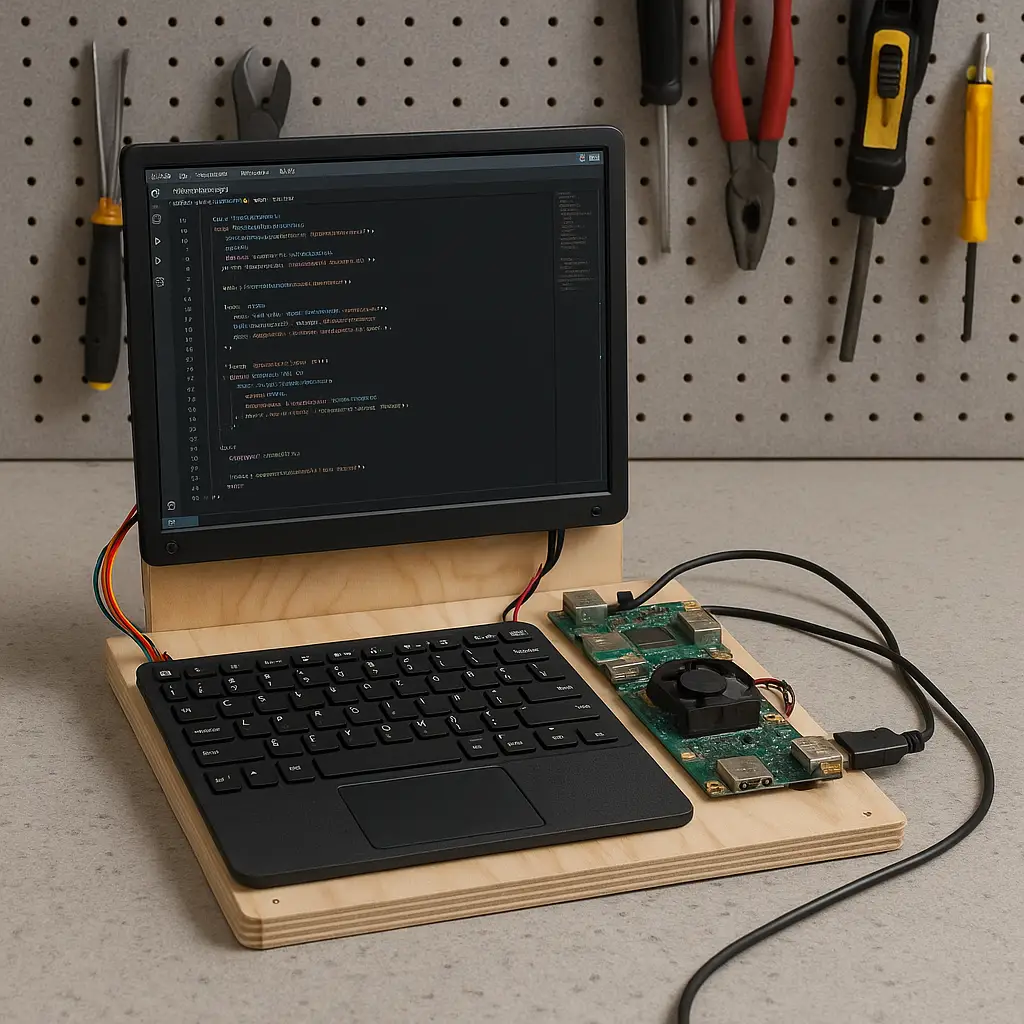
So, you need a website. That’s the easy part. The hard part is figuring out how to get it built. You’re facing a classic fork in the road: do you roll up your sleeves and build your own website, or do you hire a web developer to handle it for you? This decision is at the very core of the DIY vs pro web dev debate. It’s a crucial choice that impacts your budget, your timeline, and the ultimate quality and functionality of your online presence. A simple DIY website might be perfect for a personal project, but a growing business might need the expertise of a professional web designer. There’s no single right answer, as the best path depends entirely on your specific goals, technical comfort level, and long-term vision. In this guide, we’ll break down every angle of this comparison so you can confidently decide which route is right for you.

Opting for the DIY path puts you in complete control. This is the hands-on approach where you build your own website using one of the many popular website builders like Squarespace, Wix, or Shopify. The primary allure is the significantly lower initial cost to build a website and the ability to manage every detail yourself, from the color palette to the content. This route is often ideal for freelancers, artists, bloggers, or small businesses with simple requirements and a limited budget. A DIY website allows you to work at your own pace and make instant updates without needing to contact a developer. The fundamental trade-off in the DIY vs pro web dev debate is clear: you exchange money for your own time and effort. While the tools are user-friendly, be prepared for a learning curve as you master the platform and the basics of good design.
Today, to build your own website, you don’t need to write a single line of code. The process centers on powerful website builder platforms that provide everything in one package. You’ll typically start with a pre-designed template that sets the initial layout and style. From there, you use a visual, drag-and-drop editor to add your content, change fonts, and adjust colors. This template-based approach removes the technical barriers, making it an accessible and popular choice in the DIY vs pro web dev decision.
The most compelling advantage of the DIY route is the significantly lower cost. When considering the cost to build a website, using a builder platform is a fraction of the price of hiring a professional. Beyond budget, you gain absolute control. Every design choice, content update, and minor tweak is in your hands, allowing for instant changes without any delays. This autonomy is a powerful benefit for those who want to manage their online presence directly and learn valuable new skills along the way.
The most significant drawback of the DIY approach is the hidden cost: your time. While you don’t pay a developer, you invest countless hours learning the tool, troubleshooting issues, and designing pages—time you can’t spend on your core business. Additionally, you are creatively confined by the platform’s templates and features. This often results in a generic look and can hinder scalability, a key factor to consider when evaluating the long-term viability of a DIY website versus hiring a professional.
The DIY approach is best for individuals and small businesses where the budget is the primary constraint and the website’s needs are straightforward. If you’re a freelancer, artist, or blogger wanting an online portfolio, or a small business needing a basic “digital business card,” the ability to build your own website is invaluable. This path is ideal for those who have more time than money and are comfortable with a learning curve. If your site isn’t a core, revenue-generating tool and you can work within template limitations, a DIY website is an excellent, cost-effective choice.

On the other side of the DIY vs pro web dev spectrum lies the professional route: bringing in an expert to build your vision for you. When you hire a web developer, whether it’s a freelance web developer or a full-service agency, you are investing in more than just code. You are buying time, expertise, and a strategic partner dedicated to creating a high-performance digital asset. A professional web designer handles everything from user experience (UX) and custom design to Technical SEO, security, and scalability—areas where a DIY website often falls short. While the initial cost to build a website is undeniably higher, this path is designed for businesses and projects where the website is a critical tool for growth, lead generation, or sales. This approach shifts the burden from your shoulders to a seasoned expert, ensuring a polished, unique, and effective final product that aligns with your business goals.
When you decide to hire a web developer, the process becomes a strategic collaboration. It typically starts with a discovery phase where they learn your goals, audience, and brand identity. Unlike the instant start of a DIY website, a pro will create wireframes and custom design mockups for your approval before writing any code. This structured approach, a key differentiator in the website builder vs developer comparison, ensures the final product is a perfect fit. Expect clear communication, project milestones, and a true partnership from your chosen expert.
The greatest advantage when you hire a web developer is the sheer quality and expertise you receive. A professional web designer delivers a unique, custom-built site that functions flawlessly and is tailored to your brand. This saves you immense time and frustration, freeing you to focus on your core business. They build for the future, ensuring your site is secure, scalable, and optimized from day one—advantages that are difficult to achieve with a standard DIY website and a crucial consideration in the DIY vs pro web dev debate.
The primary hurdle when you hire a web developer is the significant upfront investment. The cost to build a website professionally is substantially higher than a DIY approach, which can be a major barrier for new businesses. Beyond the budget, the process is less immediate; you can’t just start building today. You also relinquish direct, hands-on control, relying on your developer’s timeline for updates. This trade-off of cost and control is a central factor in the DIY vs pro web dev decision.
Hiring a pro is the undeniable choice for businesses where the website is a critical asset. If you’re running an e-commerce store, need custom features, or your site is your main lead generation tool, the expertise is non-negotiable. This is the clear answer to when to hire a developer. A professional web designer ensures your site is scalable, secure, and unique—qualities a template-based DIY website can’t guarantee. For complex projects where performance directly impacts revenue, the professional route wins the DIY vs pro web dev debate every time.

We’ve explored the two distinct paths: the hands-on control when you build your own website and the strategic partnership when you hire a web developer. But to truly solve the DIY vs pro web dev puzzle, we need to place them in a direct face-off. This is where the decision becomes tangible. In the following sections, we will break down the most critical factors—Cost, Time Commitment, Customization & Quality, and Long-Term Maintenance—side by side. By examining how each approach stacks up in these key battlegrounds, you can weigh the trade-offs more effectively. Are you prioritizing the lowest initial cost to build a website, or is a unique, high-performance outcome your non-negotiable? This direct comparison will provide the clarity needed to make the right call for your project, your business, and your long-term goals.
When examining the initial cost to build a website, the DIY approach is the undisputed low-cost leader with its small monthly fees. However, the DIY vs pro web dev budget question is more than just upfront spend. Hiring a professional is an investment in long-term return (ROI). A strategically built site can generate significantly more revenue through superior user experience, SEO, and conversion rates. The choice comes down to this: are you minimizing an expense, or are you investing in an asset designed for growth?
The time commitment is a critical factor in the DIY vs pro web dev showdown. When you build your own website, you are trading money for your personal hours—and lots of them. This includes the learning curve of the platform, the design process, content entry, and troubleshooting. Conversely, when you hire a web developer, you buy back your time. Your involvement is strategic—providing feedback and content—while the expert handles the technical heavy lifting, allowing you to focus on running your business.
When you build your own website, you operate within the boundaries of templates and pre-set features. This is ideal for standard sites but becomes a major roadblock for complex needs. In the DIY vs pro web dev comparison, this is a clear dividing line. A professional web designer offers limitless customization, building unique functionalities from the ground up. If your vision includes specific user interactions or advanced integrations, the decision is made for you—hiring a pro is not a preference, it’s a necessity.
A DIY website can often achieve a “good enough” level of quality, but this is a critical battleground in the DIY vs pro web dev debate. Website builders can produce pages that are slow to load or not perfectly optimized for mobile, hurting user experience and SEO. In contrast, a professional web designer builds for peak performance from the ground up, focusing on clean code, fast load speeds, and flawless responsiveness. This ensures your site is not just a digital brochure but a high-performance asset engineered for growth.
The responsibility for maintenance is a stark contrast in the DIY vs pro web dev discussion. With a DIY website, you are the IT department. You handle all updates, security monitoring, and troubleshooting when something goes wrong. While website builders manage their own software, any issues with your content or third-party apps fall on you. Conversely, when you hire a web developer, they typically offer ongoing maintenance plans. This gives you expert oversight for security and technical upkeep, providing crucial peace of mind.
After all that detail, the core of the DIY vs pro web dev choice boils down to a few honest questions about your project, your resources, and your goals. To cut through the noise, use this simple checklist as your guide. First, be realistic about your budget and time. If minimizing the initial cost to build a website is your top priority and you have ample time to learn, the DIY route is a viable path. Second, consider complexity. If your needs are simple—a basic portfolio or online brochure—you can likely build your own website. However, if your vision involves e-commerce, custom features, or specific integrations, that’s a clear sign for when to hire a developer. Finally, think about your brand. If a unique, high-performance site that stands out from the competition is critical for your success, investing in a professional web designer is the only way to guarantee that outcome.
Let’s cut to the chase. Ask yourself these questions: Is your budget the single most important factor? Do you have dozens of hours to spare for learning and building? If you answered ‘yes’ to both, you’re a strong candidate to build your own website. However, if you need custom features, require a unique design to stand out, or see your website as a critical business asset, then the DIY vs pro web dev answer is clear: it’s time to invest in a professional web designer.
Ultimately, the DIY vs pro web dev debate isn’t about finding a single correct answer, but about making the right strategic investment for your unique situation. The choice boils down to your most valuable resource. If your budget is the primary constraint and you have the time to learn and manage the process, the empowerment that comes when you build your own website is a fantastic and rewarding path for simpler projects. However, if your time is better spent growing your business and your website is a critical engine for revenue and growth, the decision to hire a web developer is a clear investment in quality, performance, and long-term success. Don’t view it as just a cost, but as a deliberate allocation of resources. Choose the path that not only meets your immediate needs but also aligns perfectly with your future ambitions, ensuring your digital foundation is built to last.
Transform your storefront into a 24/7 billboard! Discover how store window graphics, from decals to lettering, boost visibility, attract customers, and enhance your brand.
Choosing the best CMS for your business? Compare WordPress, Shopify, and Squarespace side-by-side to find the ideal platform for your online store or website.

Master choosing the right fonts for your brand. Learn font psychology, pairing, and legibility to craft a powerful brand identity that connects with your audience.