

Design Effective Vehicle Wraps That Turn Heads
Learn to design effective vehicle wraps that turn heads and boost your brand. Get expert design tips for mobile advertising success, ensuring clarity and impact on the road.
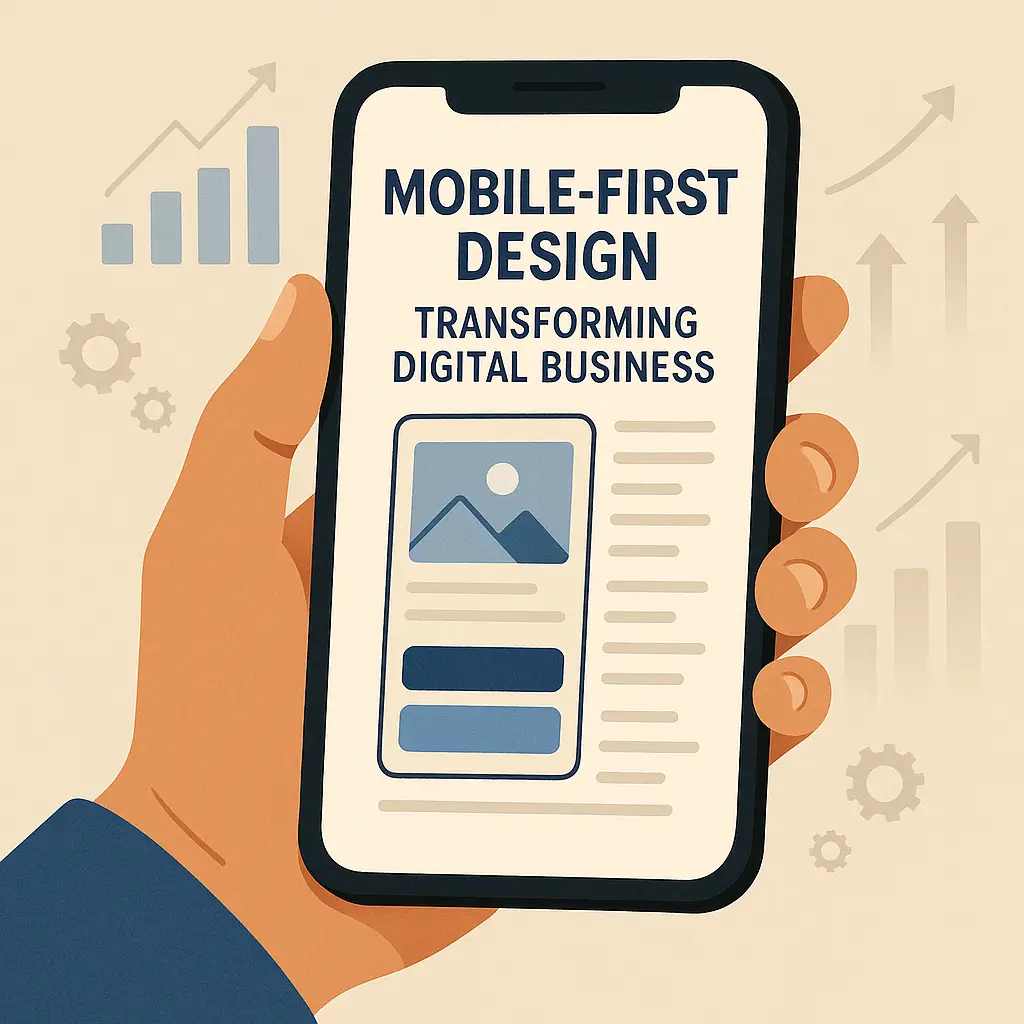
Take a moment and think about how you browse the internet. Chances are, the device in your pocket or purse is your primary portal to the digital world. This isn’t just a personal habit; it’s a global phenomenon. The majority of all web traffic now originates from mobile devices, fundamentally changing the rules of online engagement. Despite this reality, many businesses still cling to an outdated web design strategy, building a feature-rich desktop version first and then attempting to shrink it down for smaller screens. This approach often results in a slow, frustrating, and ineffective mobile user experience. Enter the solution: a mobile-first design. This modern strategy prioritizes the mobile experience from the very beginning of the design process, ensuring your site is fast, accessible, and effective for the largest segment of your audience. It’s a critical shift in thinking that directly impacts user satisfaction, conversions, and, crucially, your SEO performance.

At its core, mobile-first design is a web design strategy that flips the traditional development process on its head. Instead of designing a complex desktop version and then trying to subtract elements for smaller screens—a method known as graceful degradation—this approach starts with the most constrained environment: the mobile device. Designers are forced to prioritize the most essential content, features, and calls-to-action, ensuring the core user experience is fast, focused, and intuitive. From this streamlined mobile foundation, the design progressively enhances as screen size increases. More complex features and elaborate layouts are added for tablet and desktop versions, enriching the experience rather than compromising it. This mobile-first approach is the most effective form of responsive design today, guaranteeing that your site works flawlessly for the majority of users, not just as an afterthought.
This concept forces a ruthless prioritization of content. On the constrained screen of a mobile device, there is no room for clutter. Designers must identify the absolute most critical information and calls-to-action to ensure an optimal user experience. This isn’t about simply shrinking a desktop version; it’s about building a strong, focused foundation first. This disciplined mobile-first approach guarantees that your core message is delivered effectively to the majority of users, setting the stage for a successful web design strategy.
While often used interchangeably, the key difference is in the methodology. Responsive design is the end goal: a site that adapts to any screen size. However, the traditional method often started with the desktop version and scaled down, a process called graceful degradation. The mobile-first approach is a specific strategy to achieve responsive design by starting with mobile and scaling up. This ensures the user experience on mobile devices is prioritized from the outset, not treated as a compromised version of the desktop site.
Graceful degradation represents the traditional web design strategy, starting with a feature-rich desktop version as the “complete” experience. From this peak, the design “degrades” for smaller screens. This means features, complex navigation, and heavy visuals are progressively removed or hidden to make the site functional on tablets and mobile devices. While the intent is to ensure basic functionality, the result is often a compromised and frustrating user experience for mobile visitors, who get a stripped-down, lesser version of the site.

Adopting a mobile-first design is no longer a forward-thinking luxury; it’s a fundamental business requirement for survival and growth in the digital age. The rationale is simple: your customers are already mobile. Failing to provide a seamless user experience on their preferred mobile devices means you’re actively turning away potential revenue. More importantly, search engines have taken note. With Google mobile-first indexing, your site’s mobile version is the starting point for how Google indexes and ranks your content. A slow, clumsy, or broken mobile site can severely damage your SEO efforts, making you invisible to your target audience. Implementing a mobile-first approach isn’t just about appeasing Google; it’s about meeting your users’ expectations, improving engagement, and future-proofing your online presence for years to come. It’s a strategic investment in your brand’s digital front door.
The numbers are clear and conclusive: mobile traffic has long surpassed desktop, accounting for the majority of all website visits globally. This is not a future trend to prepare for; it is the current reality of user behavior. For your business, this means the first impression a potential customer has with your brand is overwhelmingly likely to happen on their smartphone. A poor mobile user experience isn’t just a minor inconvenience—it’s a critical failure at the most common point of entry for your audience on their mobile devices.
A superior user experience is a direct and powerful benefit of a mobile-first design. By starting with the constraints of a mobile device, this approach forces you to create a clean, uncluttered interface with intuitive navigation. Mobile users can find what they need quickly without pinch-zooming or waiting for heavy elements to load. This seamless experience reduces frustration, encourages longer visits, and boosts overall engagement—all critical factors that directly contribute to higher conversion rates and stronger SEO performance.
Perhaps the most critical reason to adopt this strategy is its direct impact on SEO. With the full implementation of Google mobile-first indexing, the search engine primarily uses your site’s mobile version to rank its pages. This means your site on mobile devices is no longer an alternative—it is the baseline for your entire search visibility. A well-executed mobile-first approach ensures that the version Google crawls is optimized for speed and usability, directly aligning your web design with key ranking factors and giving you a significant competitive edge.
A seamless user experience, a core benefit of a mobile-first design, is a direct driver of higher conversion rates. When your site is optimized for mobile devices, actions like filling out a form, adding a product to a cart, or completing a purchase are effortless. Cluttered layouts and difficult-to-tap buttons are eliminated, reducing user frustration and cart abandonment. By prioritizing a streamlined path to conversion on the smallest screens, you make it easier for customers to say “yes,” directly boosting your leads and sales.
Technology evolves rapidly, and user behavior along with it. A mobile-first design isn’t just about today’s smartphones; it’s about preparing for tomorrow’s technology. By building from a lean, flexible foundation optimized for small screens, your site is far more adaptable to future devices like wearables and foldables. This forward-thinking web design strategy ensures your online presence remains relevant and effective, preventing the need for costly redesigns as the digital landscape shifts. It is a sustainable investment in your brand’s long-term digital health.

Transitioning from concept to execution, a successful mobile-first design is guided by a few core principles that prioritize the end-user. The most fundamental of these is content hierarchy. Before any visual design begins, you must identify and organize your content based on what is absolutely essential for a user on a mobile device. This forces clarity and ensures your primary message is delivered without distraction. The second principle is an unwavering focus on performance. Mobile users expect speed, so optimizing images, minimizing code, and prioritizing fast load times are non-negotiable for a positive user experience. Finally, you must design for touch interaction. This means creating large, easily tappable buttons and intuitive navigation, avoiding reliance on hover effects that don’t translate to mobile screens. Adhering to these tenets of this web design strategy creates a strong, functional foundation that serves the majority of your users first.
Implementing a mobile-first approach begins with ruthless content prioritization. You must ask: “What is the primary action a user must take on this page?” This question defines your content hierarchy. On the limited screen real estate of mobile devices, every element must earn its place. By focusing on the essential information and calls-to-action first, you eliminate clutter and create a more focused user experience. This “less is more” discipline ensures users can achieve their goals quickly, which is fundamental to a successful web design strategy.
A successful mobile-first approach demands simplified navigation. Complex dropdowns are replaced with streamlined solutions like hamburger menus or minimalist navbars to guide the user experience without overwhelming the small screen. Equally important are the calls-to-action (CTAs). They must be designed as large, easily tappable buttons with clear, concise text. This eliminates user frustration from mistaps and makes it obvious what the next step is, directly improving usability and conversion pathways on mobile devices.
Beyond layout, a successful mobile-first design hinges on interaction and speed. Buttons and links must be designed as generous “tap targets” to prevent frustrating mistaps on mobile devices, while hover-dependent features must be rethought for touchscreens. Simultaneously, performance is paramount, as slow load times devastate the user experience and harm SEO. This requires optimizing images and using lightweight code to ensure your site is fast, creating a responsive and enjoyable mobile experience from the ground up.

To see the power of this strategy, you don’t need to look far. Examine the world’s leading e-commerce and social media platforms on your smartphone. These digital giants have perfected the mobile-first design. On their mobile sites, you’ll find a laser-focused user experience: a prominent search bar, clean product or content feeds, and large, unmissable call-to-action buttons. This isn’t a stripped-down desktop version; it’s a meticulously crafted experience designed for speed and intuitive touch interaction on mobile devices. Now, view those same sites on a desktop. You’ll see the core mobile foundation is still there, but the design progressively enhances with the added screen space, incorporating more complex features and richer visual layouts. This demonstrates the mobile-first approach in its purest form—starting with a strong, focused core and thoughtfully expanding for larger screens, a key to their dominant online presence and successful web design strategy.
The evidence is overwhelming: the digital landscape is now fundamentally mobile. Clinging to an outdated, desktop-centric mindset is no longer a viable option. Embracing a mobile-first design is not just a technical upgrade; it’s a core business strategy essential for relevance and growth. By prioritizing the experience on mobile devices, you naturally create a faster, more focused, and intuitive website for the vast majority of your audience. This commitment directly improves your SEO by aligning with Google mobile-first indexing, enhances the overall user experience, and drives higher conversion rates where it matters most. Shifting to a mobile-first approach is a decisive move to meet your customers where they are, future-proof your digital presence, and build a stronger, more resilient online foundation for years to come. The future of the web is already in the palm of your hand—make sure your business is there too.
Learn to design effective vehicle wraps that turn heads and boost your brand. Get expert design tips for mobile advertising success, ensuring clarity and impact on the road.

Navigate Toronto sign permits and bylaws for your small business. This guide simplifies the application process, types of signs, and avoids costly penalties.

Explore the future of retail with in-store interactive signage trends. Boost customer engagement, bridge digital/physical gaps, and unlock data with AI, AR, and phygital tech.