
Window Graphics: Turn Your Storefront into a 24/7 Billboard
Transform your storefront into a 24/7 billboard! Discover how store window graphics, from decals to lettering, boost visibility, attract customers, and enhance your brand.

In the real world, a firm handshake and a confident smile set the stage for a positive interaction. Online, your website performs that same crucial role—it’s your digital handshake. This initial encounter happens in a fraction of a second, and it’s where your web design first impression is forged. A cluttered, slow, or confusing site is like a limp handshake; it immediately erodes brand trust and sends potential customers clicking away. Conversely, good web design welcomes visitors with clarity and purpose, establishing a positive user experience (UX) from the very first click. It’s the silent ambassador that communicates professionalism and reliability, directly impacting your conversion rates. This article will explore the key website elements that shape this critical moment, highlighting the undeniable importance of web design in turning that first glance into a lasting relationship.

It takes a mere 50 milliseconds—less than the blink of an eye—for a visitor to form an opinion about your website. This isn’t a conscious, analytical process; it’s a gut reaction deeply rooted in human psychology. Our brains are hardwired to make rapid assessments based on visual information, and your website’s design is the first piece of data it receives. This phenomenon, often called the “halo effect,” means that if your site looks professional, clean, and trustworthy, visitors will automatically extend those positive qualities to your business itself. This is the power of a strong web design first impression. It creates an immediate sense of credibility and builds brand trust before a user even reads a single word. Good web design capitalizes on this by using visual harmony and a clear structure to guide that initial subconscious judgment, setting a positive tone for the entire user experience (UX).
A visitor’s initial gut reaction is a quick test of your business’s legitimacy. A polished, professional design signals that you are a credible and trustworthy operation, immediately building brand trust. Good web design achieves this through cohesive website elements—like high-quality imagery, a clean layout, and consistent branding. These details show you’ve invested in your online presence and care about the user experience. This initial trust is the foundation for everything that follows, as visitors are far more likely to engage and convert on a site they perceive as secure and professional.
Visuals are more than just decoration; they are the core language of your brand’s personality. The color palette, typography, and imagery you choose are powerful website elements that instantly communicate a feeling. A bold, modern font conveys innovation, while soft, natural colors might suggest an eco-friendly focus. This visual storytelling is a critical component of a strong web design first impression, shaping the user experience by setting an emotional tone and aligning visitor perception with your intended brand identity from the very first glance.
The halo effect, a powerful cognitive bias, is a core reason your web design first impression matters so much. When visitors perceive your site as beautiful, organized, and professional, they instinctively transfer those positive qualities to your business as a whole. This means good web design doesn’t just create a pleasant user experience; it convinces users that your products are superior and your service is reliable, all before they read a word. This subconscious endorsement is critical for establishing immediate brand trust.
Achieving a powerful web design first impression isn’t an accident; it’s the result of several crucial website elements working in perfect harmony. These components are the building blocks of good web design, each playing a vital role in shaping a positive user experience (UX) and building immediate brand trust. Key among these are intuitive website navigation, which allows users to find information effortlessly, and a fully responsive design that guarantees a seamless experience across all devices, from desktops to smartphones. When these elements are executed well, they not only create a welcoming digital environment but also directly support your business goals. A well-structured site improves SEO, keeps users engaged longer, and ultimately drives higher conversion rates. Understanding the importance of web design means mastering these foundational pillars to turn that first glance into genuine interest.
Your visual design is the immediate language of your brand. The combination of your color palette, typography, and imagery creates an instant emotional response, setting the tone for the entire web design first impression. Strategic color choices evoke specific feelings, while clean, legible typography enhances readability and signals professionalism. High-quality, relevant images capture attention and build brand trust by demonstrating authenticity. Together, these crucial website elements form the aesthetic foundation that defines a positive user experience from the start.
While visuals draw a visitor in, intuitive website navigation is what keeps them there. If users can’t easily find what they’re looking for, their positive web design first impression will quickly sour. A logical menu structure, clear labels, and a predictable layout are essential for a positive user experience (UX). This ease of use builds brand trust by showing you respect the visitor’s time, guiding them smoothly from entry point to conversion and preventing the frustration that leads to a quick exit.
A positive web design first impression can be shattered by a wall of unreadable text. Effective content presentation is a cornerstone of a great user experience (UX). Using clear headings, short paragraphs, and bullet points makes your information scannable and easy to digest. This structured approach respects the visitor’s time, allowing them to quickly find what they need. This not only builds brand trust by demonstrating clarity and professionalism but also benefits your SEO, as search engines favor well-organized, readable content.
A truly positive web design first impression is one that is welcoming to everyone. Accessibility is the practice of ensuring your site is usable by all visitors, including those with disabilities. Features like proper alt text for images and high-contrast colors aren’t just technical details; they are a clear sign of inclusivity and professionalism. This commitment strengthens your brand trust from the outset and is a critical component of a superior user experience (UX), demonstrating that you value every potential customer.
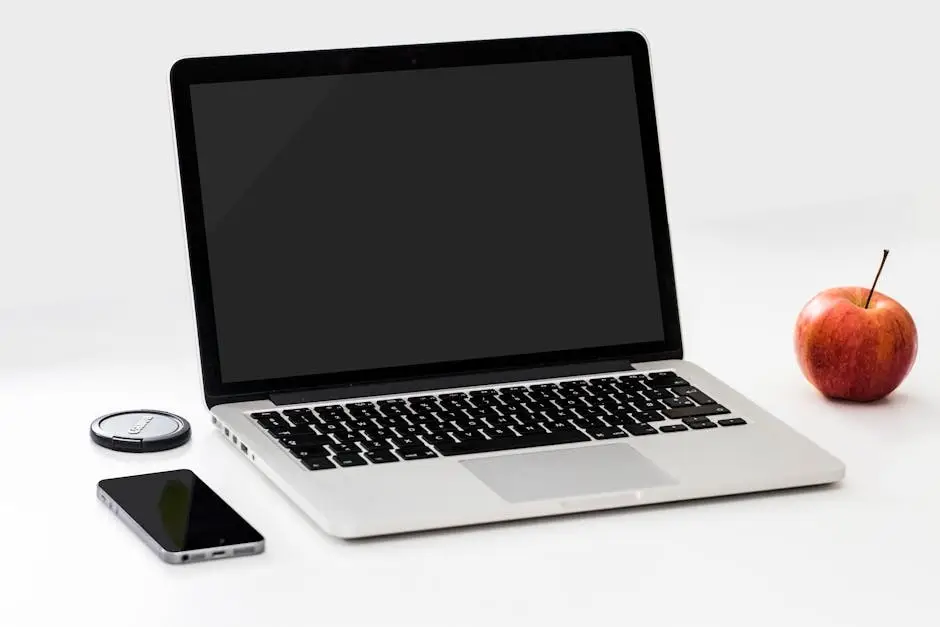
With the majority of internet traffic now coming from mobile devices, your website’s initial encounter with a user is overwhelmingly likely to happen on a smartphone screen. This reality makes a mobile-first or responsive design absolutely critical for a positive web design first impression. If a visitor has to pinch, zoom, and struggle to read your content, their initial user experience (UX) is one of frustration, not engagement. This immediately damages brand trust and signals that your business isn’t keeping up with modern standards. A seamless mobile experience is no longer a ‘nice-to-have’; it is a foundational requirement for good web design. It directly impacts your SEO rankings, as search engines prioritize mobile-friendly sites, and is essential for maintaining healthy conversion rates from an on-the-go audience.
Today’s user journey is fluid, often starting on a phone and ending on a desktop. A non-responsive site creates jarring interruptions, shattering a positive web design first impression and eroding brand trust. This inconsistent user experience (UX) signals that your brand isn’t prepared for the modern customer. A truly responsive design is essential because it guarantees your professionalism and usability follow the user from screen to screen, safeguarding your hard-earned credibility and protecting your conversion rates at every touchpoint.
Google’s dedication to a quality user experience (UX) directly influences your site’s visibility through its mobile-first indexing policy. This means Google primarily uses the mobile version of your website for ranking. A poor mobile experience not only ruins a user’s web design first impression but also signals to search engines that your site is low quality, harming your SEO performance. Therefore, a responsive design isn’t just about usability—it’s a fundamental requirement for achieving and maintaining high search rankings.
Beyond the initial ‘wow’ factor, the true power of a strong web design first impression lies in its direct and measurable impact on your bottom line. Every element of good web design, from a responsive layout to clear navigation, contributes to a superior user experience (UX). This positive experience keeps visitors engaged longer, dramatically lowering bounce rates and increasing session duration. These engagement metrics are crucial signals to search engines, directly boosting your SEO performance and driving more organic traffic. Most importantly, a design that builds immediate brand trust and guides users effortlessly toward a goal is proven to improve conversion rates. When a user feels secure and can easily find what they need, they are far more likely to make a purchase or complete a form. This highlights the undeniable importance of web design as a core driver of business growth, not just an aesthetic choice.
Your web design first impression is your primary defense against a high bounce rate. If a site looks untrustworthy or is difficult to navigate, visitors will leave almost instantly. In contrast, good web design creates a welcoming and intuitive user experience (UX) that invites exploration. This immediately lowers your bounce rate and increases time on page—critical metrics that signal to search engines your content is valuable, directly boosting your SEO and building foundational brand trust with engaged users.
A positive web design first impression sets the stage for higher conversion rates. Good web design actively supports Conversion Rate Optimization (CRO) by building initial brand trust and creating a seamless user experience (UX). Strategic use of website elements like prominent call-to-action buttons and simple, clear forms removes friction from the user journey. This makes it effortless for visitors to move from interest to action, directly turning that strong first impression into measurable success.
Your website’s design is the primary vehicle for your brand identity. Consistent use of your logo, color palette, and typography across every page transforms a simple visit into a memorable brand experience. This visual consistency is a cornerstone of a strong web design first impression, making your brand instantly recognizable. It reinforces brand trust and creates a cohesive user experience (UX) that sets you apart from competitors, turning a one-time visitor into a loyal customer.

The relationship between web design and SEO is far more profound than many realize; they are two sides of the same coin. A powerful web design first impression directly influences your search engine rankings because it creates a superior user experience (UX)—something Google’s algorithms are designed to reward. When visitors land on a well-designed site, they stay longer, engage more, and bounce less. These positive user signals tell search engines that your site is valuable, authoritative, and worthy of a higher ranking. Furthermore, the technical backbone of good web design—including clean code, logical website navigation, and a fast, responsive design—is fundamental to technical SEO. These website elements make it easier for search engine crawlers to index your content effectively and build foundational brand trust. With Core Web Vitals as a ranking factor, Google has made it official: a fast, user-friendly design is no longer a bonus, but a core component of a successful SEO strategy.
Search engines like Google are experts at interpreting user behavior. Metrics like bounce rate, time on page, and click-through rates are powerful user signals that directly reflect the quality of your user experience (UX). A poor web design first impression causes visitors to leave quickly, sending negative signals that can harm your SEO. Conversely, a design that captivates a user from the start encourages them to stay longer, which tells search engines your content is valuable and authoritative, leading to better rankings.
Beyond visuals, good web design is built on a strong technical foundation crucial for SEO. Site speed is paramount; a slow-loading page can ruin a web design first impression before it fully renders and directly impacts Google’s Core Web Vitals. Similarly, a logical site structure—the blueprint for your website navigation—and clean code make it easy for search engine crawlers to understand and index your content. These technical website elements are essential for creating a site that is both user-friendly and optimized for search.
Your website works around the clock, acting as your most dedicated brand ambassador. It’s the first point of contact for countless potential customers, and the web design first impression it creates is paramount. As we’ve explored, this initial moment is about more than just aesthetics; it’s a powerful psychological trigger that builds immediate brand trust or erodes it in seconds. The undeniable importance of web design lies in its ability to shape a seamless user experience (UX), from intuitive navigation to flawless responsive performance. Prioritizing good web design is not an artistic indulgence but a core business strategy that directly influences user engagement, boosts your SEO, and drives higher conversion rates. Ultimately, investing in your website’s design is investing in the perception and credibility of your entire business. Take a moment to view your site through the eyes of a first-time visitor. Is your digital handshake firm and confident?
Transform your storefront into a 24/7 billboard! Discover how store window graphics, from decals to lettering, boost visibility, attract customers, and enhance your brand.
Choosing the best CMS for your business? Compare WordPress, Shopify, and Squarespace side-by-side to find the ideal platform for your online store or website.
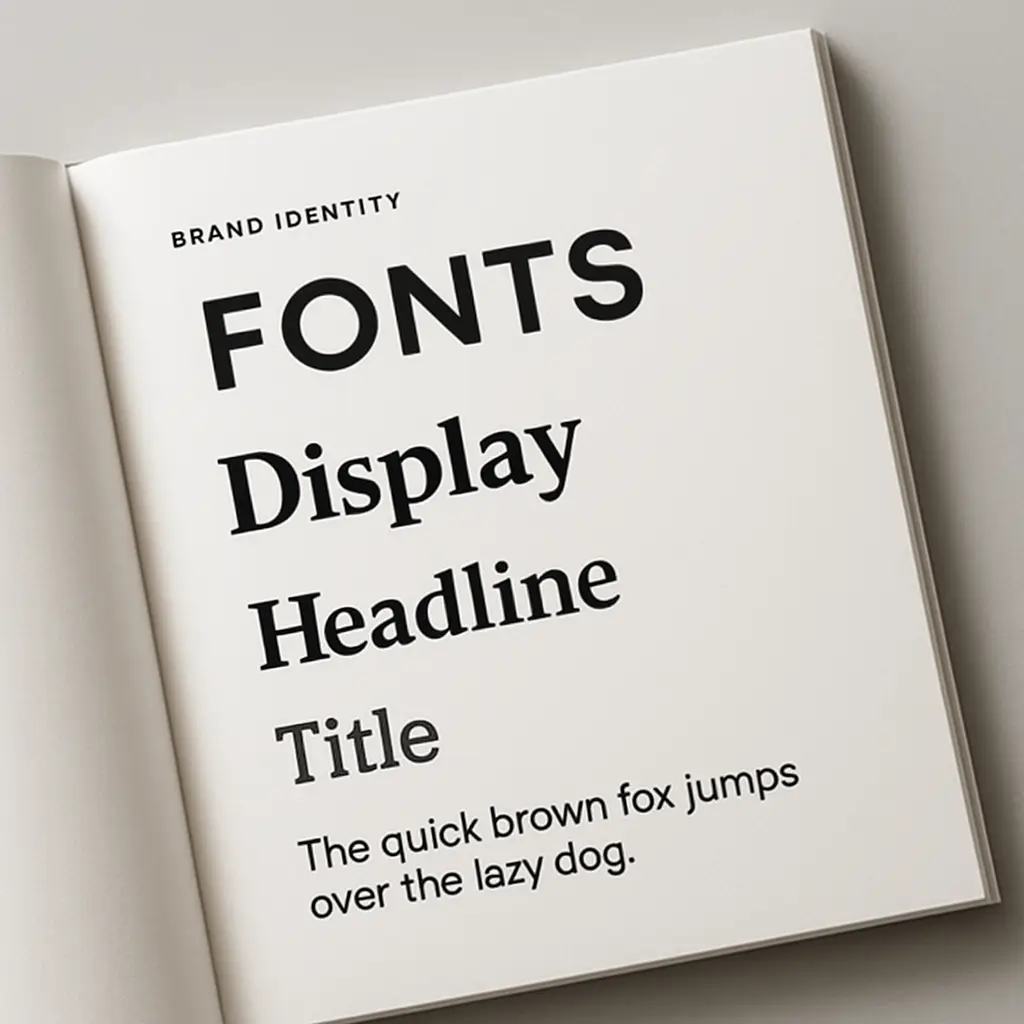
Master choosing the right fonts for your brand. Learn font psychology, pairing, and legibility to craft a powerful brand identity that connects with your audience.