
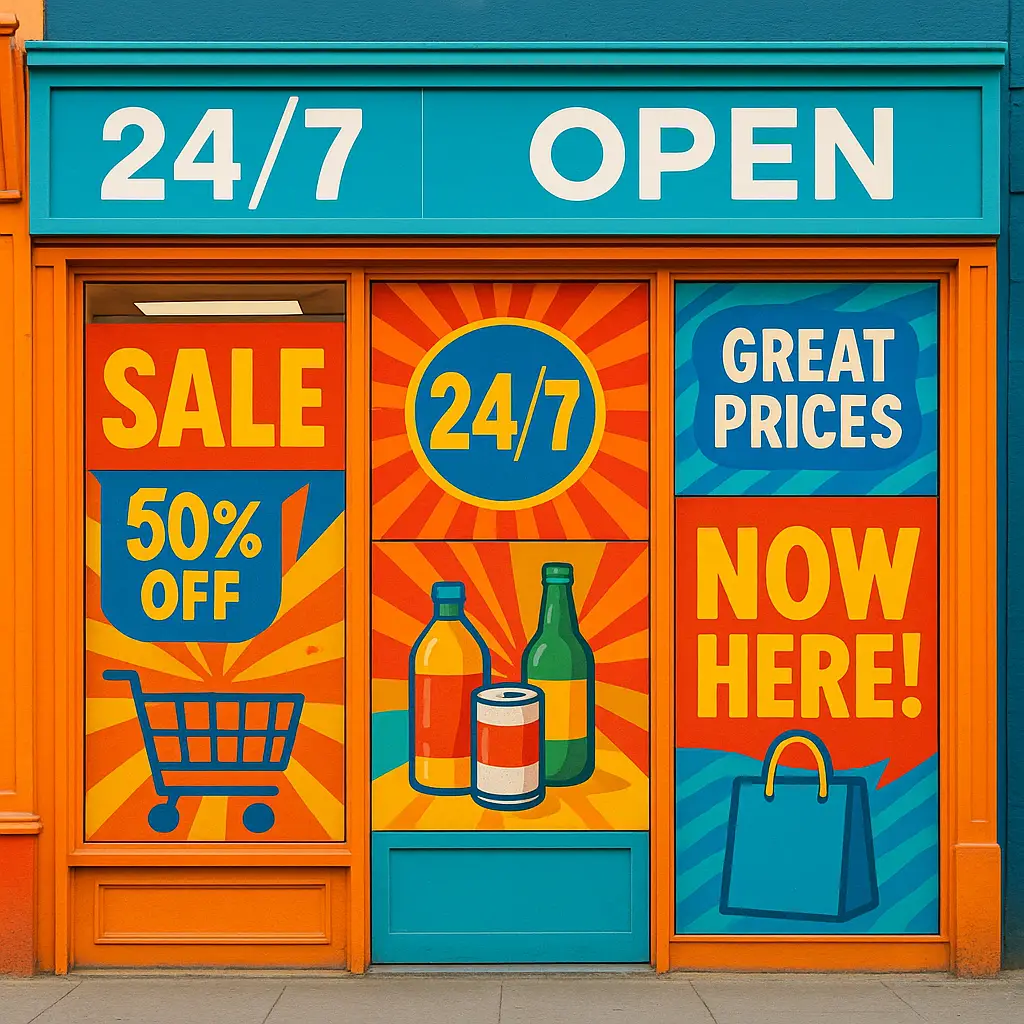
Window Graphics: Turn Your Storefront into a 24/7 Billboard
Transform your storefront into a 24/7 billboard! Discover how store window graphics, from decals to lettering, boost visibility, attract customers, and enhance your brand.
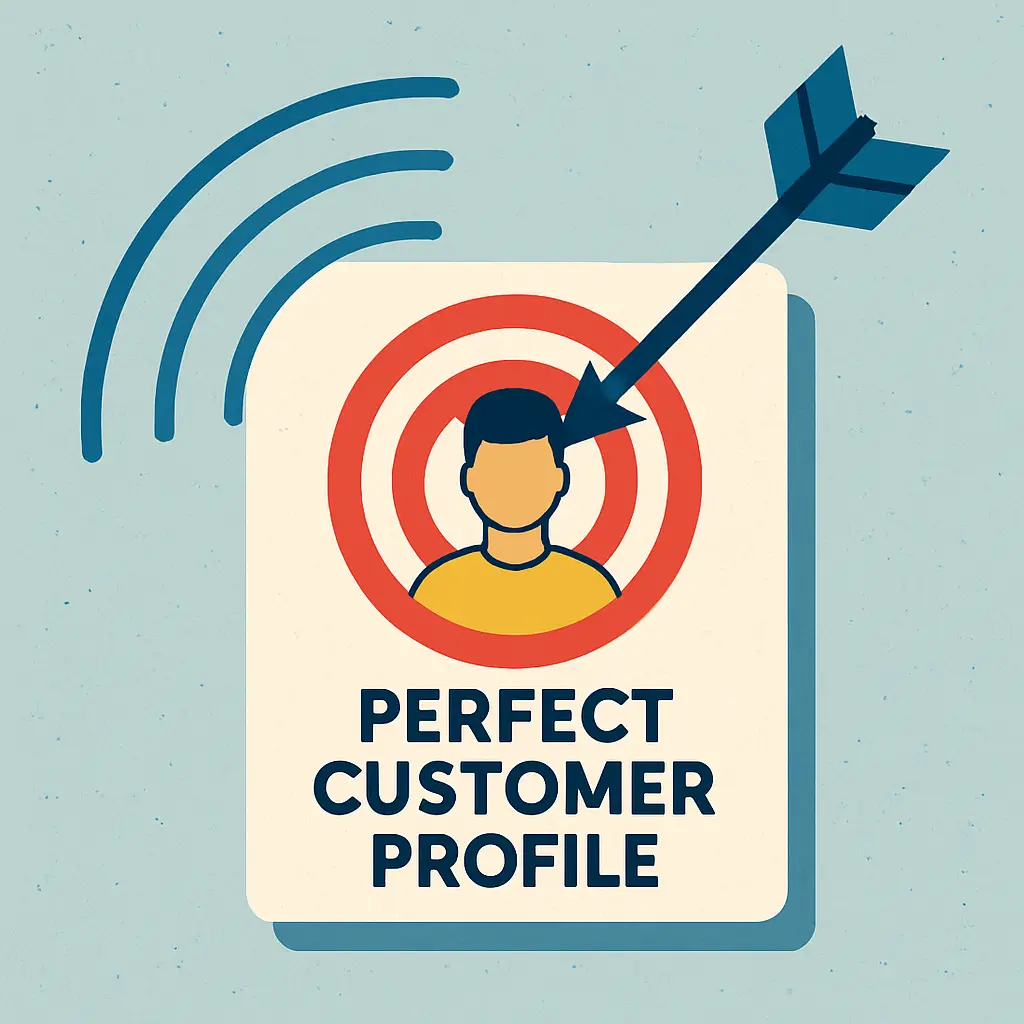
Tired of launching a social media advertising campaign only to hear crickets? Throwing money at boosted posts without a clear strategy is a fast track to a drained budget and disappointing results. The secret to a successful ad campaign on Meta’s platforms isn’t about shouting the loudest; it’s about whispering to the right people. This is the incredible power of Facebook Ads targeting. It allows you to move beyond guesswork and precisely define your target audience, ensuring your message reaches your ideal customer on both Facebook and Instagram. In this guide, we will walk you through the essential steps to master this skill. You’ll learn how to build an effective buyer persona and leverage advanced tools like Custom Audiences and Lookalike Audiences to create highly effective Facebook Ads that truly convert. Let’s unlock the full potential of your advertising.

Before you can master the technical side of Facebook Ads targeting, you must first answer a fundamental question: who is your ideal customer? The answer lies in creating a detailed buyer persona. Think of this as a character profile for the person most likely to buy from you. This isn’t just about basic demographics; a strong persona goes deeper, exploring their interests, online behaviors, challenges, and motivations. By understanding what they care about, you can create compelling Facebook Ads and Instagram Ads that speak directly to their needs. This foundational step is non-negotiable for any successful social media advertising effort, as it provides the roadmap for every targeting decision you’ll make within your ad campaign. Without a clear persona, even the most advanced targeting tools are simply shots in the dark.
While basic demographics are a necessary foundation for your buyer persona, they are just the tip of the iceberg. Relying solely on age, gender, and location is a common mistake that severely limits the effectiveness of your Facebook Ads targeting. To truly connect with your target audience, you must dig deeper. What are their hobbies and interests? What online publications do they follow? What are their biggest challenges that your product or service solves? Answering these questions elevates your persona from a generic sketch to a powerful tool.
This is where your buyer persona truly comes to life. Psychographics are the “why” behind your audience’s choices—their interests, beliefs, and values. Are they passionate about sustainability? Do they follow specific tech gurus or fitness influencers? Understanding these nuances is crucial for effective Facebook Ads targeting. Meta’s platform has a vast repository of interest-based data, allowing you to specifically target users who have demonstrated an affinity for these topics. This insight ensures your ad campaign resonates on a deeper, more personal level with your ideal customer.
What specific problem does your ideal customer face, and what ultimate outcome do they desire? A powerful buyer persona must capture this crucial information. Pain points are the frustrations your product eliminates, while motivations are the goals and aspirations they want to achieve. When you understand their struggles, your Facebook Ads and Instagram Ads can present your offer as the perfect solution. This critical insight allows you to craft an ad campaign that speaks directly to their needs, making it infinitely more compelling.

Now that you have a detailed buyer persona, it’s time to leverage your most powerful asset: your own data. The most effective Facebook Ads targeting often begins not with guessing, but with people who have already interacted with your business. These warm leads are a goldmine for your next ad campaign. This is where Custom Audiences come into play. A Custom Audience is a highly specific target audience you create using your own sources, such as a customer email list, website visitor data from your Meta Pixel, or a list of users who have engaged with your Facebook page or Instagram profile. By targeting these individuals, you’re not just hoping to find your ideal customer—you’re reaching out to people who have already shown genuine interest. This strategy is foundational for effective social media advertising and provides a solid base for creating powerful Lookalike Audiences, which we’ll cover soon.
Your website is a treasure trove of data for creating powerful Custom Audiences. By installing the Meta Pixel, you can automatically track visitors and the specific actions they take, such as viewing a product, adding an item to their cart, or initiating checkout. This data is invaluable for your Facebook Ads targeting strategy. It allows you to create a highly-engaged target audience for your next ad campaign by retargeting users who have already shown clear intent and interest in your offerings.
Your CRM or email platform contains another incredibly valuable asset: your existing customer list. By exporting this data (like email addresses) and uploading it to Meta, you can create a powerful Custom Audience. Facebook will securely match these details to find your customers on its platform. This enables you to run highly relevant retention campaigns or introduce new products to your most loyal buyers, making it a cornerstone of effective Facebook Ads targeting for any seasoned advertiser.
Don’t overlook the data sitting right within your social media accounts. Both Facebook Page Insights and Instagram’s native analytics provide a wealth of information about your current followers. Analyze their demographics, locations, and peak activity times to see how well they align with your buyer persona. This data provides a direct feedback loop for your Facebook Ads targeting efforts. You can then create a powerful Custom Audience of people who have engaged with your profiles, giving you another warm target audience for your next ad campaign.
With your detailed buyer persona and valuable Custom Audiences in hand, it’s time to enter the command center: Facebook Ads Manager. This is the all-in-one platform where your strategic planning for social media advertising becomes a reality. You will use this tool to build, manage, and analyze every ad campaign across both Facebook and Instagram. While its interface can look complex, understanding its structure is the key to mastering effective Facebook Ads targeting. Within the Ads Manager, you will define your target audience at the ad set level, applying all the research from your persona or selecting the warm leads from your Custom Audiences. This is where the magic happens, allowing you to pinpoint your ideal customer and pave the way for creating powerful Lookalike Audiences to scale your success.
The ‘Audiences’ dashboard is the command center for your entire Facebook Ads targeting strategy. Within Ads Manager, this is where you will build, manage, and save every target audience you use. Here, you can create the three core audience types: Saved Audiences (built using detailed demographics and interests), Custom Audiences (from your own data), and Lookalike Audiences (which find new people similar to your best customers). Familiarizing yourself with this powerful interface is essential for turning your buyer persona into a real, high-performing audience.
Once you’re inside the Ads Manager, your Facebook Ads targeting strategy boils down to choosing the right audience type for your goal. Meta organizes these into three powerful categories. The first is Core Audiences, where you manually build your target audience from the ground up using demographics, locations, interests, and behaviors—this is where your buyer persona research directly applies to find new potential customers. The second is Custom Audiences, which we’ve discussed, allowing you to re-engage warm leads from your website or customer list. Finally, and perhaps most powerfully for scaling, are Lookalike Audiences. This feature lets you find new people who share characteristics with your best existing customers, effectively cloning your ideal customer. A successful social media advertising strategy rarely relies on just one; a great ad campaign will strategically combine these audiences to guide users from awareness to conversion.
This is where your detailed buyer persona research transforms into a tangible target audience. Within a Core Audience, you layer criteria to zero in on your ideal customer. Start with location and demographics, then apply the real power of Facebook Ads targeting: adding specific interests (e.g., “organic food,” “sci-fi movies”) and behaviors (e.g., “Engaged Shoppers,” “Small Business Owners”). This ability to combine attributes allows you to build a highly specific audience, ensuring your Facebook Ads and Instagram Ads are seen by the people most likely to convert.
A common mistake is adding a long list of interests, which creates a very broad audience. The real art of Facebook Ads targeting lies in layering. Instead of targeting people who like A or B, use the ‘Narrow Audience’ function to target people who like A and B. For instance, target users interested in ‘Home Renovation’ who are also defined as ‘Engaged Shoppers.’ This ensures you reach a more qualified target audience, improving the efficiency of your ad campaign and getting closer to your ideal customer.

Moving beyond the manual setup of Core Audiences, we now enter the most powerful territory of Facebook Ads targeting: leveraging your own data with Custom Audiences and scaling with Lookalike Audiences. While Core Audiences help you find new people based on your buyer persona research, these two audience types are rooted in proven interest and behavior. Custom Audiences, as we’ve touched on, are your warmest leads—people who have visited your site, bought from you, or engaged with your content. They are essential for any retargeting ad campaign. The true game-changer for growth, however, is the Lookalike Audience. By giving Meta a source audience (like a list of your best customers), its algorithm will find millions of new users who share the same characteristics. This allows you to find your next ideal customer with incredible accuracy, making it a non-negotiable tool for any serious social media advertising strategy.
Your website visitors are a goldmine for creating high-performing Custom Audiences. By installing the Meta Pixel on your site, you can track user behavior and create specific audience segments. Imagine running an ad campaign that exclusively targets users who abandoned their cart or viewed a specific product page. This powerful technique is central to effective Facebook Ads targeting, as it allows you to retarget a high-intent target audience with a tailored message designed to bring them back and complete a purchase.
Your CRM or email marketing platform holds one of your most valuable assets for creating powerful Custom Audiences. You can export a list of customer details—like email addresses or phone numbers—and securely upload it directly to Meta. The platform will then match this information to find those users on Facebook and Instagram. This strategy is perfect for running a retention-focused ad campaign, upselling to loyal buyers, or creating a source audience to find your next ideal customer.
Your social media profiles are another rich source for creating powerful Custom Audiences. Meta allows you to build a target audience based on anyone who has interacted with your Facebook Page or Instagram profile. This includes actions like watching your videos, liking a post, sending a message, or saving your content. Targeting these users is a highly effective Facebook Ads targeting strategy because they’ve already raised their hand, showing interest in your brand. This creates a warm, receptive audience for your next ad campaign.
The effectiveness of your Lookalike Audiences is directly tied to the quality of the source you provide. A high-quality source audience isn’t just a list of everyone who has interacted with you; it’s a curated list of your best people. For instance, instead of using all website visitors, create a Custom Audience of users who have made a purchase. Even better, upload a list of your repeat buyers. This ensures Meta’s algorithm seeks out new users who mirror your most valuable ideal customer, setting the foundation for a highly effective ad campaign.
When you create a Lookalike Audience, Meta will ask you to select a size from 1% to 10%. This represents a critical trade-off in your Facebook Ads targeting strategy. A 1% lookalike creates a smaller, more concentrated target audience that is highly similar to your source. As you increase the percentage, your audience gets larger but less precise. A 10% audience offers broad reach but may be less aligned with your ideal customer. For your initial ad campaign, starting with a 1% audience is often the best approach to maximize relevance.

You’ve done the strategic work: defining your buyer persona, creating powerful Custom Audiences, and building precise Lookalike Audiences. Now it’s time to launch your ad campaign and put your Facebook Ads targeting to the test. But the work doesn’t stop once you hit ‘Publish.’ Launching is just the beginning of a crucial feedback loop. Effective social media advertising on Facebook and Instagram is an iterative process of launching, analyzing, and optimizing. You must closely monitor your campaign’s performance metrics to understand what’s resonating with your target audience. Are your Facebook Ads reaching your ideal customer effectively? Are your conversion rates meeting expectations? By analyzing the data, you can make informed decisions—like adjusting your budgets, refining your creative, or even A/B testing different audience segments—to continuously improve your results and maximize your return on investment.
The very first step you take when creating a new ad campaign is selecting an objective. This decision is critical as it tells Meta’s algorithm what action you want your target audience to take. For instance, selecting ‘Traffic’ will prioritize showing your ad to users likely to click a link, while choosing ‘Conversions’ will focus on those most likely to buy. Your objective works directly with your Facebook Ads targeting to ensure your ads are shown to the right people within your audience to achieve your specific business goal.
Your Facebook Ads targeting gets your ad in front of the right people, but your creative is what makes them care. This is where your buyer persona becomes your ultimate guide for ad copy and visuals. Refer back to the specific pain points and motivations you identified. Does your ideal customer value convenience? Your Facebook Ads and Instagram Ads should feature images of simplicity and copy that highlights saving time. By speaking their language, your ad campaign will resonate deeply and drive much better results.
Never assume your first audience is the perfect one. A core part of optimizing your ad campaign is A/B testing your audiences. Pit a detailed Core Audience built from your persona against a 1% Lookalike Audience to see which one delivers better results. This data-driven approach is the essence of effective Facebook Ads targeting. By letting the performance data guide you, you can confidently allocate your budget to the target audience that most closely matches your ideal customer and drives conversions.
Your ad campaign’s performance data is a roadmap for improvement. Dive into Ads Manager to review key metrics like Cost Per Result and Click-Through Rate for each audience. If one segment is underperforming, it’s a clear signal that your Facebook Ads targeting isn’t perfectly aligned with your ideal customer. Use these insights to refine your approach—pause underperforming ad sets, reallocate budget to the winners, or test new interest layers. This continuous analysis ensures your ad campaign evolves and becomes increasingly efficient over time.
Mastering Facebook Ads targeting is a journey, not a destination. We’ve walked through the entire process, from creating a detailed buyer persona to leveraging your own data with Custom Audiences and scaling your reach with powerful Lookalike Audiences. This strategic foundation allows you to move beyond random boosting and build a truly effective ad campaign. However, the digital landscape is always changing, and so is your target audience. The key takeaway is that success in social media advertising relies on continuous improvement. You must consistently test your assumptions, analyze your results, and refine your approach. By treating your Facebook Ads and Instagram Ads as a dynamic feedback loop, you ensure you’re always speaking to your ideal customer in the most effective way possible, turning your advertising spend into a predictable engine for growth.
Transform your storefront into a 24/7 billboard! Discover how store window graphics, from decals to lettering, boost visibility, attract customers, and enhance your brand.
Choosing the best CMS for your business? Compare WordPress, Shopify, and Squarespace side-by-side to find the ideal platform for your online store or website.

Master choosing the right fonts for your brand. Learn font psychology, pairing, and legibility to craft a powerful brand identity that connects with your audience.