

How to Choose the Right Signage for Your Small Business
Learn how to choose the right signage for your small business. This guide covers defining purpose, location, brand identity, sign types, regulations, and budget for effective results.
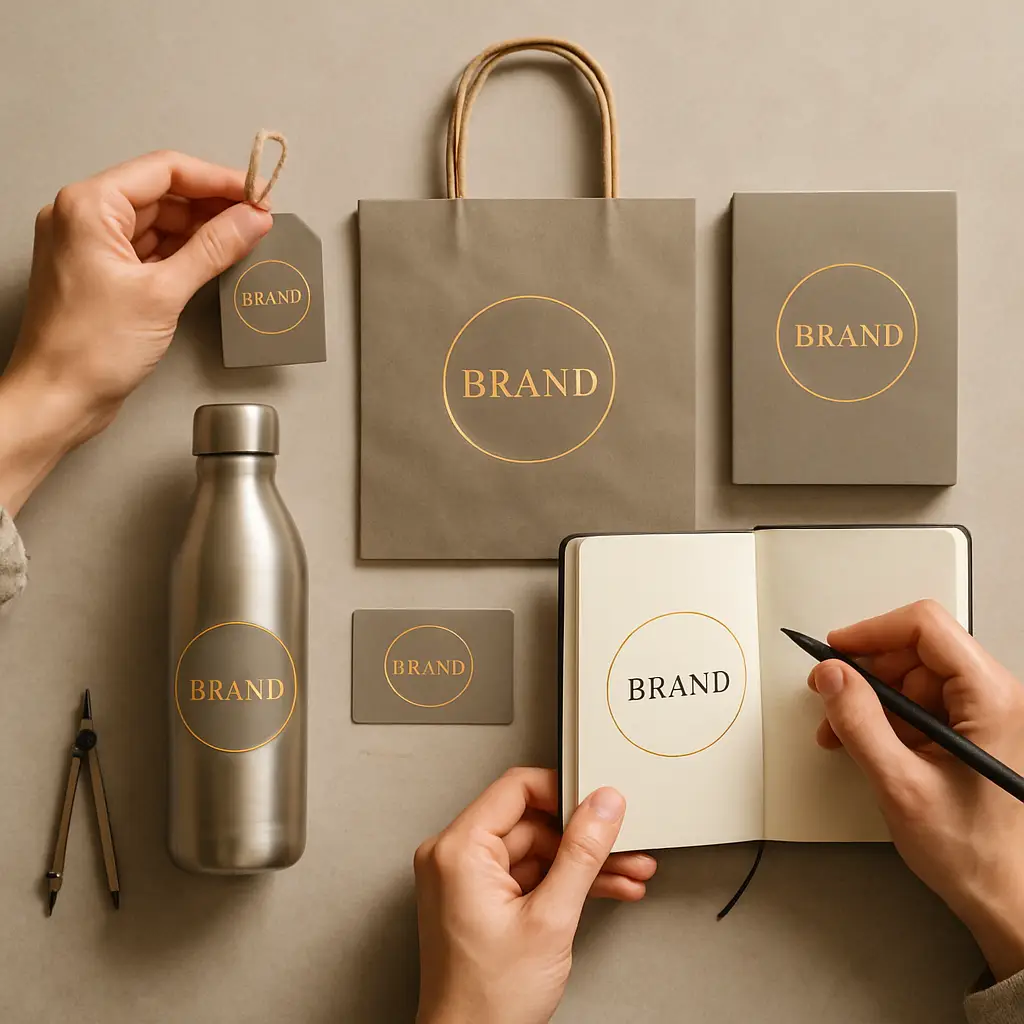
Let’s be honest: we’ve all received company swag that ends up in a drawer, never to be seen again. The flimsy pen, the ill-fitting t-shirt, the useless gadget. But what about that sturdy tote bag you use for groceries, or the sleek water bottle that’s become your daily companion? The difference isn’t just the item itself; it’s the thought behind it. This is the core of successfully designing promotional products. It’s about moving beyond simple giveaways and creating memorable promotional products that provide genuine value. A well-designed item becomes a walking billboard, a daily reminder of your brand’s quality and thoughtfulness. When you create useful promotional items that people actually want to use, you’re not just giving away a product—you’re building a lasting connection and boosting brand visibility in the most authentic way possible. Let’s explore the design tips that make it happen.
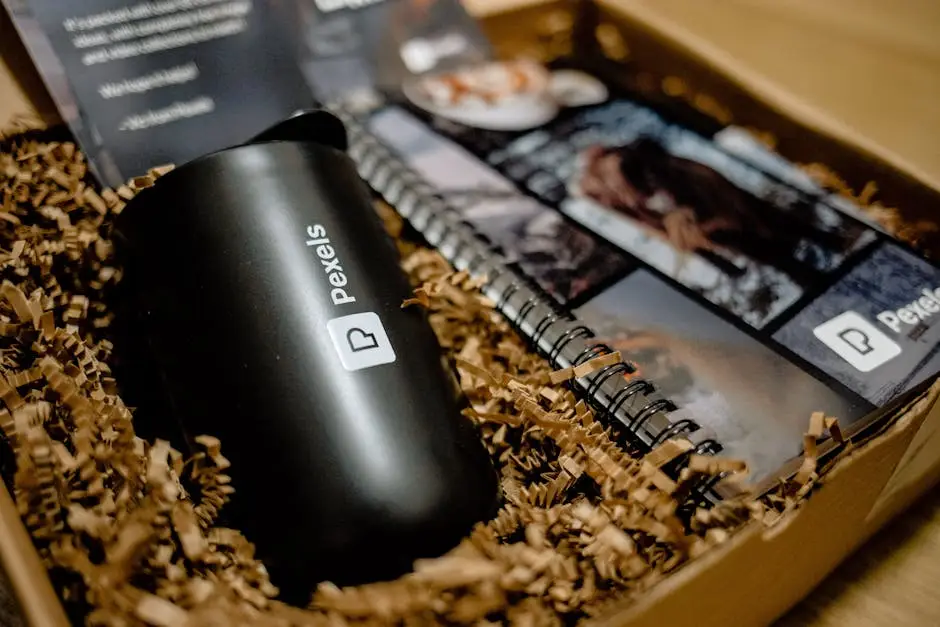
Before you even think about product selection or a brand logo design, the first and most critical step is to deeply understand who you’re trying to reach. The golden rule of designing promotional products is that “useful” is not universal—it’s defined by the recipient. Take a moment to profile your target audience. Are they tech-savvy professionals attending a conference? A high-quality power bank or a cable organizer would be invaluable. Are they eco-conscious families at a community event? A set of reusable shopping bags or a bamboo utensil kit would align perfectly with their values. By considering their daily routines, challenges, and interests, you move beyond generic company swag. This foundational knowledge ensures the custom promotional products you create will be genuinely appreciated and used, making your brand a welcome part of their everyday life and turning them into memorable promotional products.
This isn’t just a suggestion; it’s the foundational step in designing promotional products that work. Before you even browse a product catalog, take a moment to create a simple profile of your ideal recipient. What does their day-to-day look like? What small convenience could make their life easier? Answering these questions is the key to selecting truly useful promotional items that avoid the fate of forgotten company swag and build a positive, lasting connection with your brand.
Once you have that audience profile, the next step in designing promotional products is to map their needs to tangible items. Consider the context. For a fitness-focused demographic, a branded promotional item like a high-quality water bottle or a quick-dry towel makes perfect sense. For busy professionals working from home, a webcam cover or a quality mousepad is far more relevant than a generic keychain. This careful alignment is what transforms a simple giveaway into a genuinely useful promotional item, ensuring it gets integrated into their daily routine.
When you give someone a promotional item that solves a genuine need, the gesture goes beyond marketing—it feels personal. This is the emotional core of effectively designing promotional products. A thoughtful branded promotional item communicates that your company pays attention and cares about its audience. This simple act of consideration builds a powerful, positive brand association that a generic giveaway never could. It ensures your item isn’t just seen, but appreciated, making it a truly memorable promotional product that fosters long-term loyalty.
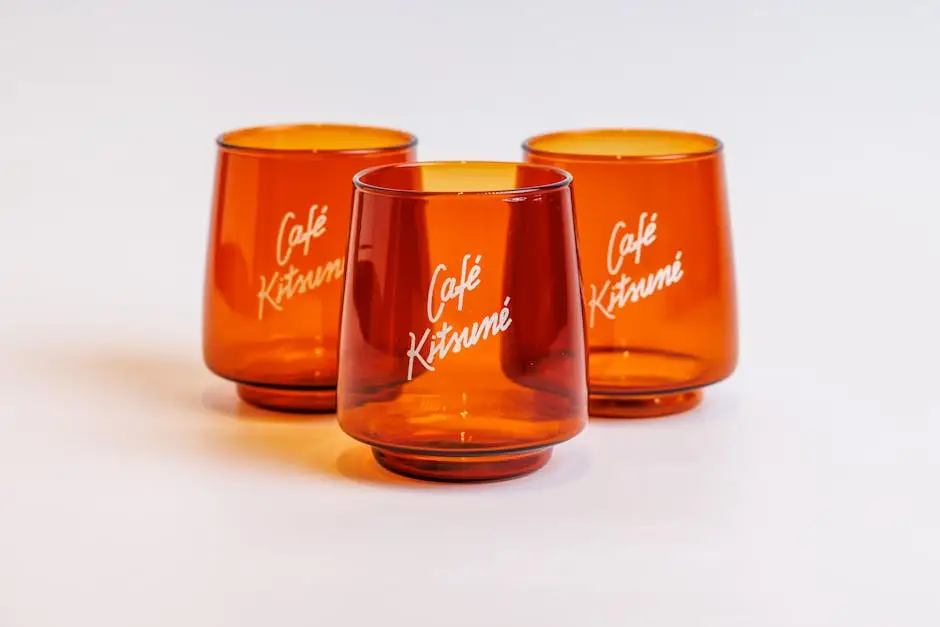
Once you’ve identified the perfect type of item for your audience, the next crucial step in designing promotional products is to focus on execution. The physical quality of your company swag is a direct reflection of your brand’s standards. A flimsy tote bag that rips after one trip or a pen that runs out of ink instantly creates a negative impression. Investing in durable, well-made materials ensures your item will be used for months or even years, maximizing exposure. Equally important is the aesthetic design. A cluttered, oversized logo can make even a high-quality product look cheap. A clean, minimalist brand logo design, on the other hand, conveys confidence and sophistication. By prioritizing both the physical quality of the product and the elegance of its design, you elevate your branded promotional items from simple giveaways to genuinely desirable objects that people are proud to use.
A key principle in designing promotional products is to never skimp on the physical quality of the item. A travel mug that cracks or a USB drive that fails after two uses isn’t just a waste—it’s a direct, negative reflection on your brand. Investing in a durable, well-made product ensures it remains a useful promotional item for the long haul. This longevity maximizes brand exposure and communicates that your company values reliability and quality, transforming simple company swag into a trusted brand ambassador.
Beyond durability, true utility lies in everyday function. A core design tip when designing promotional products is to ask: “Does this item solve a real problem or simplify a daily task?” This is the difference between generic company swag and genuinely useful promotional items. Think of tech accessories for commuters, high-quality drinkware for the office, or a compact multi-tool. Choosing products with clear, practical applications is the secret to creating memorable promotional products that people will reach for again and again.
Every branded promotional item is a physical handshake from your company. When designing promotional products, remember that a durable, well-crafted product conveys a message of excellence and attention to detail. It elevates your company swag from a simple giveaway to a tangible representation of your brand’s commitment to quality. This builds subconscious trust and fosters a premium perception of your business with every single use, making it a powerful and lasting brand statement.
When designing promotional products, remember that less is more. A loud, oversized brand logo design can make even a premium item feel like cheap advertising, undermining its quality. The goal is to complement the product, not overwhelm it. A simple, elegant design ensures your logo is visible without making the user feel like a walking billboard. This clean aesthetic enhances the perceived value of your company swag and makes people more likely to incorporate it into their daily lives, creating a sophisticated brand touchpoint.
Applying the “less is more” principle is fundamental when designing promotional products. A discreet, tastefully placed brand logo design turns ordinary company swag into a sophisticated accessory. Instead of shouting for attention, a subtle mark whispers quality and confidence. This thoughtful approach respects the user’s personal style, making them far more likely to use your item proudly in public. It’s a key design tip that transforms a giveaway into a coveted piece, ensuring your brand integrates seamlessly and positively into their life.
A key aspect of designing promotional products is to avoid visual clutter at all costs. Resist the temptation to cram every bit of information—your logo, tagline, website, and phone number—onto one item. This approach makes your company swag look desperate and cheapens its appeal. A clean, focused design featuring only your essential brand logo design conveys confidence and professionalism. It allows the quality of the item to shine, making your brand a sophisticated accent rather than a loud advertisement.
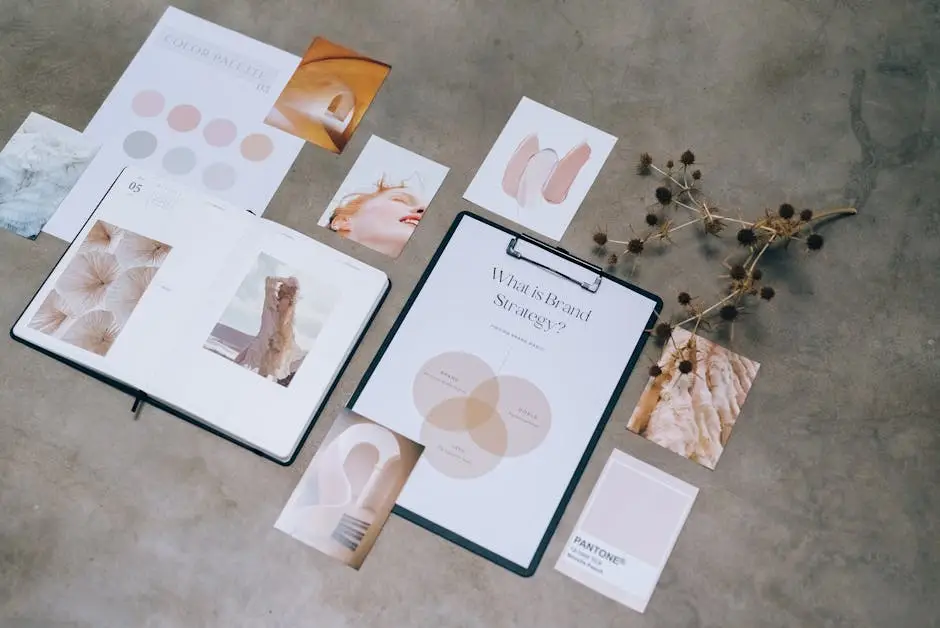
Effective branding is more than just placing your logo on an item; it’s a critical component of designing promotional products that feel intentional and premium. Your imprint strategy should consider not only *what* you’re printing but *how* and *where*. The placement of your brand logo design can dramatically alter the product’s appeal—a discreet mark on a tech accessory feels more sophisticated than a massive logo splashed across a t-shirt. Furthermore, the imprint method itself speaks volumes. Laser engraving on a metal pen conveys durability, while quality embroidery on a cap suggests craftsmanship. Don’t limit yourself to just a logo; consider using your brand’s core colors, a subtle pattern, or a concise tagline to create a more integrated and memorable promotional product. This holistic approach ensures your company swag aligns perfectly with your brand identity, elevating these custom promotional products from simple giveaways to desirable items.
Making your logo stand out isn’t about making it bigger; it’s about making it clearer. A crucial step in designing promotional products is ensuring your brand logo design is crisp, legible, and perfectly adapted for the specific item. This may mean using a simplified or single-color version for smaller surfaces. The goal is instant recognition. A clean, high-contrast logo communicates professionalism and reinforces your brand far more effectively than a complex, muddled design that gets lost on the product.
A key part of designing promotional products is adapting your logo to the canvas. A complex, detailed brand logo design that shines on your website may become an unreadable smudge on a small surface like a pen. Conversely, a logo that’s too small can get lost on a large tote bag. Before finalizing your custom promotional products, always consider the specific imprint area. Having a simplified or single-color logo variation ready for smaller items ensures legibility and a professional finish every time.
Where you place your logo is just as important as the logo itself. A key strategy when designing promotional products is to consider how the item will be held and used. For example, the ideal placement for a brand logo design on a mug is facing outward when held by a right-handed person. For a notebook or journal, a subtle logo on the corner or spine can feel more premium than a large one in the center. Thoughtful placement on custom promotional products ensures visibility in a natural, non-intrusive way.
The best branded promotional items feel like a natural extension of your brand’s voice. When designing promotional products, ask yourself: does this item reflect our personality? A fun, creative brand might use bold colors and quirky custom promotional products, while a luxury brand should lean towards elegant, understated items with premium finishes. This alignment ensures your company swag feels authentic, not random. It reinforces your brand identity and creates a cohesive experience for the recipient, making the item far more memorable.
Your brand’s identity extends beyond the logo to its color palette and fonts. When designing promotional products, leverage these elements for a powerful, cohesive look. Opt for an item that features your primary brand color, or ensure any tagline uses your signature typography. This consistent application creates instant recognition and reinforces your brand at a subconscious level. It’s a subtle yet critical design tip that transforms ordinary company swag into a polished, professional piece that feels like a true extension of your brand.
When designing promotional products, consider how the item itself can broadcast your company’s core values. If sustainability is central to your brand, company swag made from recycled or eco-friendly materials speaks volumes. A tech company focused on innovation might offer a clever gadget. This strategic choice transforms a simple giveaway into a tangible demonstration of what your brand stands for, building deeper trust and making your branded promotional items far more resonant and memorable.
Ultimately, the art of designing promotional products is about shifting your mindset. It’s not about distributing company swag; it’s about creating brand ambassadors. By thoughtfully considering your audience’s needs, prioritizing high-quality and useful promotional items, and committing to a clean, sophisticated brand logo design, you craft something with genuine value. A well-executed branded promotional item integrates seamlessly into a person’s daily life, turning them into a walking, talking advocate for your brand. Each time they use your tote bag, sip from your mug, or charge their phone with your power bank, it serves as a positive, tangible reminder of your company’s thoughtfulness and quality. This is how you move beyond simple giveaways to create memorable promotional products that build lasting relationships and deliver a powerful return on your investment.
Learn how to choose the right signage for your small business. This guide covers defining purpose, location, brand identity, sign types, regulations, and budget for effective results.

Keep your outdoor signs looking new with our Sign Maintenance 101 guide. Learn how to clean, inspect, and protect business signs for lasting impact and avoid costly repairs.

Discover sustainable signage for your business in 2025. Explore eco-friendly materials like reclaimed wood, bamboo, and recycled metals, plus innovative green ideas.