

Design Effective Vehicle Wraps That Turn Heads
Learn to design effective vehicle wraps that turn heads and boost your brand. Get expert design tips for mobile advertising success, ensuring clarity and impact on the road.

Step into any modern retail space, and you’ll notice a dramatic evolution. The days of static posters and silent mannequins are fading, replaced by a vibrant, responsive environment. At the heart of this transformation is interactive signage, a powerful form of retail technology that’s redefining the in-store experience. No longer just passive displays, these screens invite customers to touch, play, and explore, turning shopping into an engaging journey. This is a core part of the phygital experience, blending the best of physical and digital worlds to boost customer engagement and create a seamless omnichannel retail journey. The future of retail is being written on these very screens. In this article, we’ll dive into the most exciting in-store interactive signage trends—from AI-driven personalization to immersive augmented reality shopping—that are setting the stage for tomorrow’s consumer landscape.
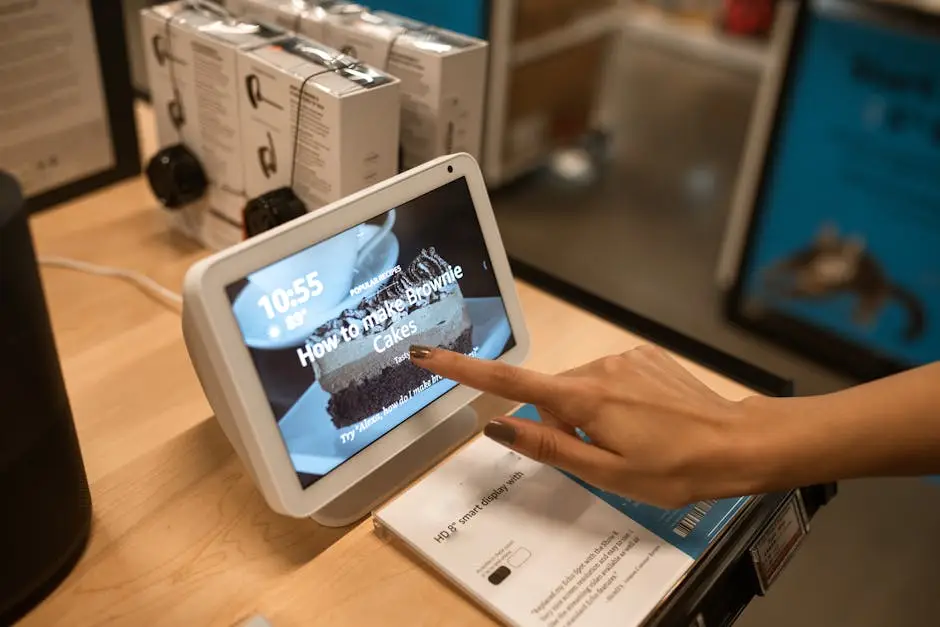
Adopting the latest in-store interactive signage trends is more than a flashy upgrade; it’s a strategic investment in the future of retail. The most significant benefit is a profound lift in customer engagement. By inviting customers to touch, explore, and personalize their journey, this retail technology transforms a passive shopping trip into a memorable in-store experience. This increased interaction not only boosts dwell time but also generates invaluable behavioral data with every tap and swipe. Retailers gain direct insight into what products and information resonate most with shoppers. Furthermore, interactive displays serve as a vital hub for omnichannel retail, seamlessly connecting the physical store with online inventory, loyalty programs, and digital content. By empowering customers with information and creating a dynamic, responsive environment, brands can drive sales, improve operational efficiency, and build lasting loyalty in an increasingly competitive market.
Unlike static displays that often blend into the background, interactive signage demands attention. It gives customers a reason to pause, touch, and explore, transforming a passive shopping trip into an active in-store experience. By providing engaging content—like product customization tools, informational videos, or brand-related games—this retail technology captivates shoppers. This deepens customer engagement, making them feel more connected to the brand and its offerings. Consequently, in-store dwell time naturally increases, creating more opportunities for discovery and purchase.
Modern shoppers expect online convenience everywhere. Interactive signage is the essential tool for delivering this, creating a true phygital experience. It acts as the critical bridge in any omnichannel retail strategy, bringing the “endless aisle” of your website to the shop floor. Customers can check for out-of-stock items, read online reviews, or access detailed specs instantly. This seamless integration transforms the physical store into a dynamic, digitally-enhanced hub, enriching the overall in-store experience and keeping customers engaged.
Every touch on an interactive signage screen generates valuable data. This form of retail technology captures what customers are searching for, which products they explore, and what content they engage with most. This creates a powerful feedback loop, offering retailers concrete, actionable insights into consumer behavior right from the shop floor. By analyzing this data, brands can optimize their in-store experience, refine merchandising strategies, and make smarter inventory decisions, directly influencing the future of retail.
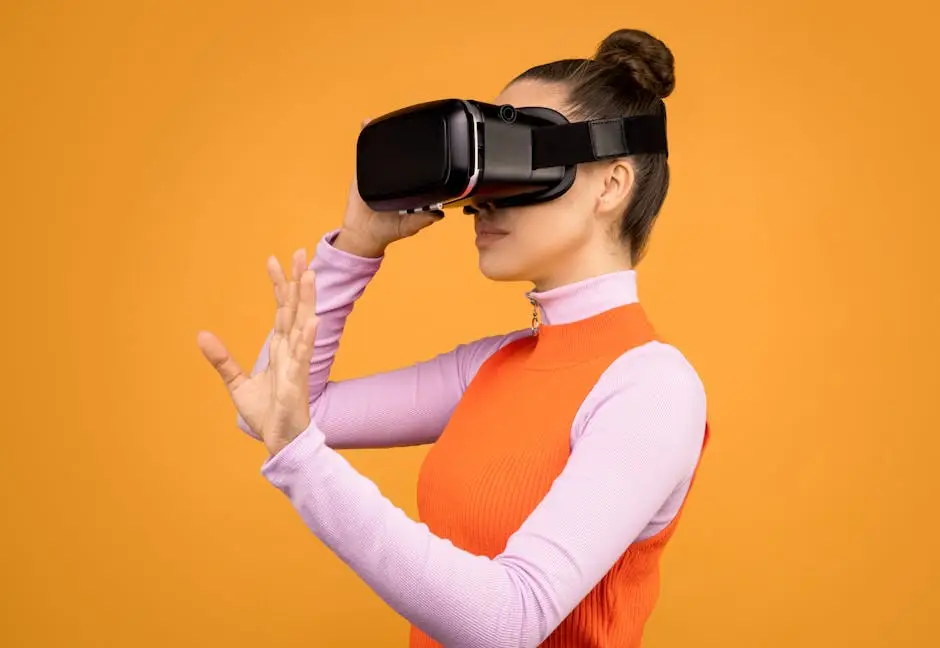
Now that we understand the strategic benefits, let’s explore the specific technologies driving this evolution. The most impactful in-store interactive signage trends are pushing the boundaries of what’s possible, transforming screens into intelligent partners in the shopping journey. This is where the future of retail gets truly exciting. We’re seeing a powerful convergence of technologies, from the predictive power of AI in retail delivering hyper-personalized content to the immersive magic of augmented reality shopping. These advancements in retail technology are no longer futuristic concepts; they are actively being deployed to create more dynamic and responsive environments. Each trend builds on the core goal of deepening customer engagement and perfecting the phygital experience. In the following sections, we’ll break down these key trends and examine how they are redefining the modern in-store experience for good.
This is where AI in retail transforms interactive signage from a tool into an intelligent assistant. Instead of showing generic ads, AI-powered systems can dynamically alter content based on real-time data, such as weather, time of day, or even anonymous viewer analytics (like demographics). This retail technology ensures that the messaging is always relevant, creating a hyper-personalized in-store experience. By presenting shoppers with content and products that resonate with their immediate context, brands can significantly lift customer engagement and sales.
Augmented reality shopping is transforming interactive signage into a magical tool for visualization. This innovative retail technology creates a powerful phygital experience by allowing customers to virtually try on clothing or test cosmetic shades using a screen as a “magic mirror.” Beyond fashion, shoppers can see how furniture would look in their own living room. This not only elevates customer engagement by making the in-store experience more playful and immersive, but it also helps customers make purchase decisions with greater confidence.
The very interface of interactive signage is becoming smarter and more intuitive. Advanced touchscreens now offer the fluid, multi-touch responsiveness of a premium smartphone, making navigation effortless. Pushing the boundaries of the phygital experience even further is the rise of gesture-based interfaces. This innovative retail technology allows shoppers to control content with a simple wave of the hand—a hygienic, touch-free solution that boosts customer engagement through sheer novelty and ease, transforming the screen into a dynamic part of the in-store experience.
The smartest interactive signage no longer exists in isolation; it reaches into the customer’s pocket. By using QR codes or NFC taps, this retail technology creates a seamless bridge to a shopper’s smartphone. This allows them to “take” the experience with them—saving a custom design, downloading a unique coupon, or continuing their shopping journey online. This is the phygital experience at its most personal, strengthening omnichannel retail strategies and creating a private, highly effective form of customer engagement that extends beyond the store.
Turning the shopping trip into a playful adventure, gamification is one of the most compelling in-store interactive signage trends. This retail technology uses interactive screens to host brand-related games, quizzes, or challenges where customers can win discounts or loyalty points. It’s a powerful way to boost customer engagement by making the in-store experience genuinely fun and memorable. By adding an element of competition and reward, brands can foster a deeper connection and encourage repeat visits, strengthening the overall phygital experience.
‘Lift and Learn’ is the quintessential phygital experience. This intuitive retail technology uses RFID or NFC sensors embedded in products. When a shopper picks up an item, the nearby interactive signage is triggered to display relevant information—like video tutorials, sourcing details, or customer reviews. This transforms a simple physical act into a rich, informative moment, dramatically boosting customer engagement and enhancing the in-store experience by providing instant, context-aware details without a single tap.
As corporate responsibility becomes paramount, one of the most practical in-store interactive signage trends is the focus on sustainability. The future of retail is green, and this retail technology plays a huge role by replacing wasteful paper signage. Modern displays are also being engineered for lower power consumption, reducing a store’s carbon footprint. This eco-conscious approach not only improves operational efficiency but also resonates deeply with modern consumers, enhancing the brand’s image and enriching the overall in-store experience.
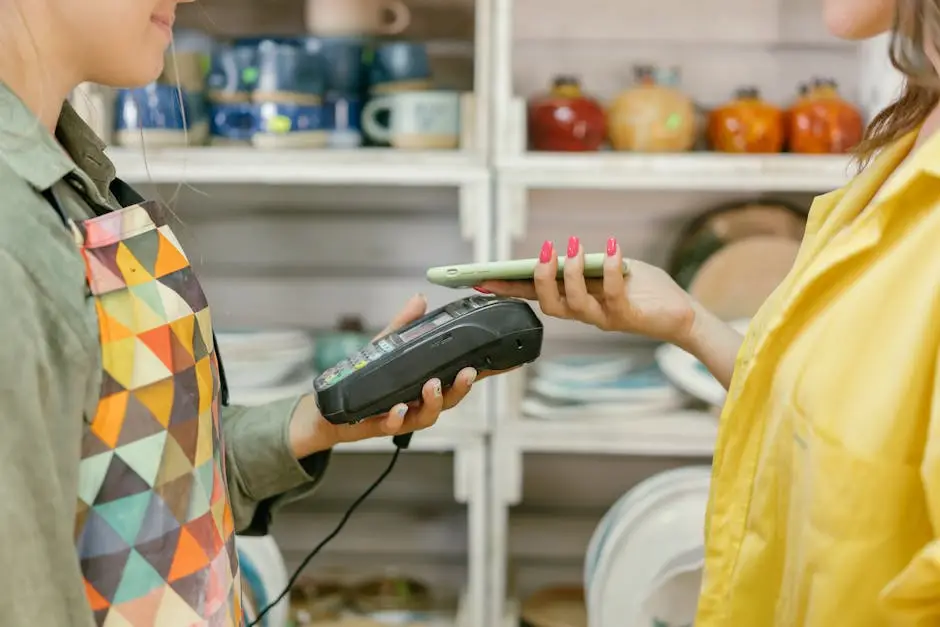
While embracing the latest in-store interactive signage trends promises a revolutionary in-store experience, the path to implementation has its own set of challenges that retailers must navigate. The most significant hurdle is often the upfront investment in hardware, software, and installation. Beyond the initial cost, successfully deploying this advanced retail technology requires seamless integration with existing systems, such as inventory and CRM, to deliver a true omnichannel retail experience. Furthermore, the technology is only as effective as the content it displays, demanding a continuous and well-resourced content management strategy. Without a clear plan for maintenance, staff training, and measuring ROI, even the most exciting phygital experience can fall flat. Acknowledging and strategically planning for these obstacles is the critical step that separates a flashy, temporary gimmick from a sustainable and profitable vision for the future of retail.
The high initial investment for interactive signage is a primary concern for many retailers. However, viewing this retail technology as a long-term asset is key. The return on investment (ROI) extends beyond immediate sales to include boosted customer engagement and invaluable data analytics. To manage costs and ensure success, a scalable approach is vital. Start with a pilot program in a flagship store to test concepts and prove ROI before a wider, phased rollout. This strategy makes the journey into the future of retail more financially manageable.
As interactive signage gathers valuable customer data, ensuring privacy and security becomes a critical challenge. This retail technology sits at the intersection of personalization and trust. To build a successful phygital experience, retailers must be transparent about data collection and implement robust security measures to protect shopper information. This isn’t just about compliance; it’s about building the consumer confidence required for genuine customer engagement. A breach of trust can instantly undermine the brand, making data security a non-negotiable foundation for the future of retail.
The evolution of the retail landscape is undeniable, and as we’ve explored, the most influential in-store interactive signage trends are at its very core. The journey from static displays to intelligent, responsive screens marks a definitive shift in the future of retail. Technologies like AI in retail and augmented reality shopping are no longer fringe concepts but essential tools for crafting an immersive and deeply personal in-store experience. The ultimate goal is to build a seamless phygital experience where technology serves the customer, offering assistance, entertainment, and endless aisle access. While challenges like initial cost and data security exist, they are surmountable with strategic planning. Brands that successfully harness this retail technology to elevate customer engagement and strengthen their omnichannel retail strategy won’t just survive—they will thrive. The future isn’t just coming; it’s already on the screen, waiting for the next customer interaction.
Learn to design effective vehicle wraps that turn heads and boost your brand. Get expert design tips for mobile advertising success, ensuring clarity and impact on the road.

Navigate Toronto sign permits and bylaws for your small business. This guide simplifies the application process, types of signs, and avoids costly penalties.
Explore the future of retail with in-store interactive signage trends. Boost customer engagement, bridge digital/physical gaps, and unlock data with AI, AR, and phygital tech.