

Adobe Firefly vs. Canva Magic Studio: Your AI Design Choice
Compare Adobe Firefly vs Canva Magic Studio. Discover which AI design tool is best for professionals seeking precision or marketers needing speed for their creative projects.

Think of your sign as your business’s most dedicated employee. It works 24/7, never calls in sick, and is often the very first impression you make on a potential customer. Effective small business signage does more than just display your name; it’s a silent salesperson that attracts attention, communicates your brand’s personality, and guides customers straight to your door. It’s a fundamental and powerful marketing tool that builds brand recognition and separates you from the competition. However, with so many materials, designs, and placement options available, the pressure to choose the right small business signage can feel immense. This guide will walk you through the essential steps—from defining your purpose and audience to understanding local regulations—to ensure you select a sign that not only looks professional but also actively contributes to your bottom line. Let’s get started.
Before you dive into exploring colors, materials, or fonts, the first and most critical step is to ask a simple question: What is this sign’s primary job? To choose right signage, you must first define its core function. Is its main goal to boldly announce your brand to passing traffic from a distance? Or is it meant to guide existing customers to your entrance or parking area? Perhaps it’s an informational sign detailing your hours, or a promotional one advertising a seasonal sale. This purpose is the most important of all signage factors because it dictates every subsequent decision, from size and complexity to placement. For example, large outdoor business signs are built for brand awareness and attraction, while smaller indoor signs often serve to direct or enhance the in-store experience. Clearly identifying the sign’s role is the strategic foundation for selecting effective small business signage that delivers a real return.
If your sign’s main purpose is to bring in new faces, visibility is everything. This is the primary role of powerful outdoor business signs. Think about signs that are impossible to ignore, like tall pylon signs for roadside visibility or striking illuminated Channel letters on your storefront. These prominent business sign types are designed to capture attention from afar, introduce your brand identity, and make a compelling first impression on people who don’t yet know you exist. This focus is key to helping you choose right signage for customer acquisition.
Beyond attracting an initial glance, your signage should work to build lasting brand recognition. This purpose focuses on consistency. Every piece of small business signage you use, from the main monument sign to small window decals, should reinforce your brand identity. By consistently using your specific colors, logo, and fonts, your signage design makes your business memorable. This helps build trust and ensures that when customers think of your industry, they think of you first, making it a critical consideration as you choose right signage.
Sometimes, a sign’s job is less about marketing and more about function. Wayfinding signs that direct customers to parking, your entrance, or restrooms are perfect examples. This category also includes informational signs like window decals displaying your hours or A-frames announcing a daily special. For these often smaller indoor signs, clarity and readability are the most important signage factors. Their purpose is to help customers, reduce friction, and improve the overall experience, making them a vital part of your complete small business signage strategy.

Once you’ve defined your sign’s purpose, the next critical step is to analyze its physical environment. The location—whether it’s perched on your building’s exterior or mounted in your lobby—is one of the most important signage factors influencing your decision. For powerful outdoor business signs, you must consider visibility from various distances, sun exposure, and weather conditions. These elements directly impact which durable signage materials are suitable and how large the signage design needs to be to remain legible. Conversely, indoor signs are viewed up close, so factors like interior lighting, wall textures, and foot traffic patterns become paramount. A sign’s location also dictates which business sign types are appropriate and can even be affected by local signage regulations. Carefully evaluating the environment is essential when you choose right small business signage, ensuring your investment is both durable and effective in its intended space.
For outdoor business signs, visibility and durability are the two most critical signage factors. Your sign must be large and clear enough to be seen from a distance, factoring in traffic speed and potential obstructions like trees or other buildings. Equally important is choosing the right signage materials to withstand your local climate. Materials like aluminum, HDU (high-density urethane), or weather-resistant acrylic will protect your signage design from rain, wind, and sun, ensuring it doesn’t look faded or damaged after a single season.
For indoor signs, the key signage factors shift from weather durability to enhancing the customer experience. Since these signs are viewed up close, the quality of signage materials and the details of your signage design are paramount. Lobby signs, wayfinding arrows, and point-of-sale displays should seamlessly integrate with your interior decor and reinforce your brand identity. The goal is to create a cohesive, professional, and welcoming atmosphere that guides customers effortlessly and makes their visit more pleasant and memorable.
Beyond its purpose and location, your sign is a powerful visual handshake with every customer, making brand identity one of the most essential signage factors. It’s not just about displaying your name; it’s about communicating your company’s personality, values, and overall promise. Your signage design—including your logo, color palette, and typography—should be a seamless extension of your brand. Think about it: a sophisticated law firm might opt for a classic design using brass or acrylic, while a children’s toy store would choose bright, playful colors and fonts. Consistency is key. The look and feel of your small business signage must match your website, business cards, and social media presence. This cohesion builds recognition and trust, which is fundamental when you choose right small business signage that truly represents who you are and attracts your ideal customer.
The core components of your brand identity—your logo, specific color palette, and chosen fonts—are the building blocks of your signage design. These elements must be replicated precisely. Don’t approximate your brand’s specific shade of blue or use a “close enough” font. This strict consistency ensures customers recognize you instantly, creating a seamless experience from your website to your storefront. Using these established brand assets is a non-negotiable step to choose right signage, guaranteeing your sign is a true and professional reflection of your company.
Your brand identity is more than just visuals; it’s the feeling you want to evoke. Does your business have a modern, sleek personality, or is it rustic and traditional? The signage materials and overall signage design you select should answer this question. A high-tech startup might use brushed aluminum and minimalist fonts, while a cozy bookstore could opt for a hand-painted wooden sign. Getting this personality match right helps attract your target audience and is a vital part of helping you choose right small business signage.

With your purpose, location, and brand identity clearly defined, you’re now equipped to explore the exciting world of tangible options. Understanding the different business sign types is crucial, as this is where your strategy takes physical form. The options for small business signage are diverse, from commanding outdoor business signs like illuminated channel letters and pylon signs to functional indoor signs like lobby displays, ADA-compliant signs, and wayfinding systems. Each type is crafted from specific signage materials and designed to meet a particular need—whether it’s shouting your name from a highway or subtly enhancing your office decor. Exploring these categories will help you see how a specific sign can bring your purpose, location, and brand together into one cohesive, effective package. This knowledge is the final key piece you need to choose right small business signage that fits your goals and budget perfectly.
Mounted directly on your building’s facade, storefront signs are the quintessential outdoor business signs for attracting customers. Channel letters are individual, three-dimensional letters that can be illuminated, offering a highly professional and modern look that enhances your brand identity. Lightboxes, also known as cabinet signs, are another popular option. These are enclosed signs lit from within, providing a cost-effective and highly visible canvas for detailed logos and graphics. Both are excellent business sign types for maximizing street-level visibility day and night.
For businesses set back from the road or in a busy shopping center, monument and pylon signs are essential. These are freestanding outdoor business signs designed for maximum visibility from a distance. monument signs are low-profile structures, often made from durable signage materials like brick or stone, that lend a sophisticated air to your property. Pylon signs are the tall, pole-mounted signs you see along highways, perfect for capturing traffic. Both are powerful business sign types for establishing your presence and reinforcing your brand identity before a customer even reaches your door.
Window graphics and decals are a versatile and budget-friendly form of small business signage that turns valuable window space into a powerful marketing tool. This category of business sign types is ideal for displaying your logo, business hours, and current promotions, or even enhancing your brand identity with creative designs. They effectively communicate key information at street level and are a smart, low-cost addition to your overall signage strategy, helping you make the most of every available surface.
A-frame signs, also known as sandwich boards, are the ultimate tool for capturing foot traffic. These portable and versatile business sign types are perfect for announcing daily specials, promoting limited-time offers, or guiding pedestrians directly to your entrance. They offer an incredible return on investment due to their low cost and high impact. This type of flexible small business signage allows you to change your message daily, keeping your marketing fresh and engaging for passersby right at street level.
Often overlooked, wayfinding signs are essential for creating a smooth customer journey within your business. This category of indoor signs also includes legally required ADA-compliant signs, which feature specific elements like tactile lettering and braille to ensure accessibility. While these business sign types guide customers to restrooms, exits, and other key areas, their primary role is to ensure safety and inclusivity. Complying with these crucial signage regulations isn’t just good practice—it’s a non-negotiable part of your complete small business signage strategy.
One of the most overlooked yet critical signage factors in this process is navigating local rules and permits. Before you finalize your dream design, you must research the specific signage regulations in your city, county, or municipality. These ordinances can dictate nearly everything about your sign, especially for outdoor business signs, including maximum size, height, placement, illumination, and even approved signage materials. Failing to do this homework can result in costly fines or even a mandate to remove your newly installed sign. To avoid this, contact your local zoning or planning department to understand the requirements and permit process. Also, remember to check with your landlord or property management company, as they often have their own set of guidelines. This due diligence is a non-negotiable step to choose right small business signage and ensures your investment is legally compliant and built to last.
Your first stop should be your city or county’s zoning or planning department. These agencies are responsible for all local signage regulations and can provide you with the official sign code. Pay close attention to rules governing the size, height, setback from the road, and lighting specifications, as these often differ for various business sign types. Understanding these limitations upfront is a non-negotiable step to choose right signage, ensuring your project gets approved without costly delays or redesigns down the line.
Local signage regulations get extremely specific about size and placement—two of the most important signage factors you’ll face. Your city’s code will likely define the maximum square footage for your outdoor business signs, often based on your building’s linear frontage or its proximity to a residential zone. Placement rules are equally strict, dictating setbacks from the curb, height limitations, and ensuring your sign doesn’t obstruct traffic visibility. Understanding these precise measurements is a mandatory prerequisite to help you choose right signage that gets approved.
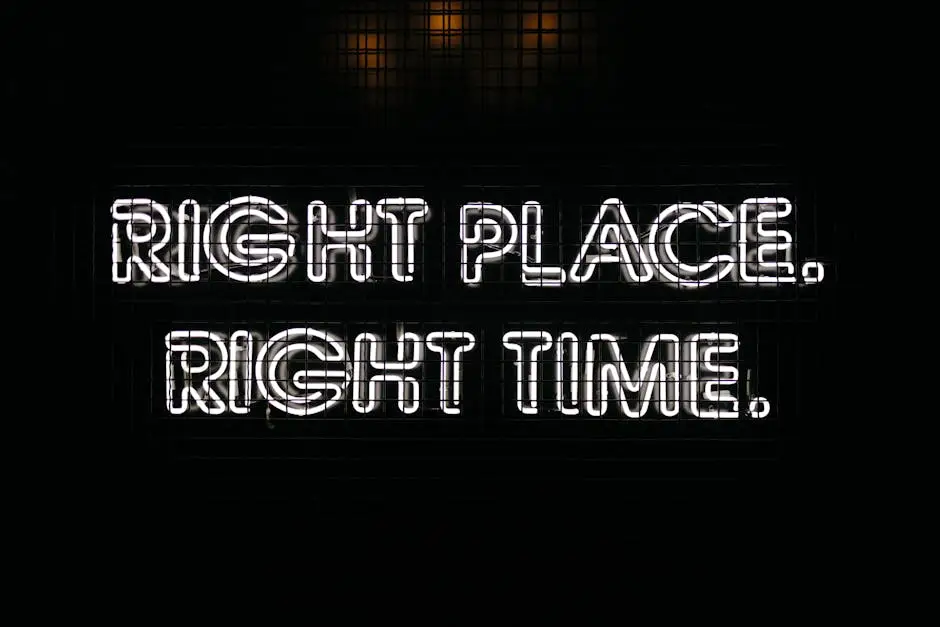
Finally, we arrive at one of the most practical signage factors: your budget. The cost of small business signage can range dramatically, from a few hundred dollars for a simple A-frame to thousands for an illuminated pylon sign. Your budget will be the framework that contains all your previous decisions about materials, size, and complexity. It’s crucial, however, to view this as an investment, not just an expense. While a cheaper option might be tempting, skimping on quality signage materials can lead to fading, damage, and the need for a replacement far sooner, costing you more in the long run. When setting your budget, remember to account for the total cost, including design, fabrication, permit fees, installation, and potential maintenance. A well-defined budget helps narrow your options and ensures you can choose right small business signage that balances quality, durability, and a professional appearance without breaking the bank.
When calculating your budget, remember the final price is more than just the sign itself. The complexity of your signage design plays a major role, as does your choice of signage materials—durable options for outdoor business signs often cost more upfront but save money later. Finally, don’t forget installation. This can be a significant part of the cost, especially for signs requiring electrical work or heavy equipment. Understanding these three components is key to setting a realistic budget.
While it can be tempting to focus on upfront costs, the smartest approach is to view your sign as a long-term marketing asset. A well-made sign using durable signage materials will represent your brand identity professionally for years, continuously attracting customers. A cheap sign that quickly fades or breaks will need replacing, ultimately costing you more. To truly choose right signage, consider its lifetime value. Investing in quality is an investment in your business’s enduring curb appeal and professional reputation.

Your sign is a powerful fusion of art, marketing, and strategy. By moving methodically through the key stages discussed in this guide—from defining its purpose and analyzing its location to ensuring it perfectly reflects your brand identity—you transform a simple purchase into a calculated investment. Understanding the various business sign types, navigating complex signage regulations, and setting a realistic budget are the final, crucial steps that ground your vision in reality. Ultimately, the process to choose right small business signage isn’t about picking the flashiest or the cheapest option. It’s about carefully considering all these essential signage factors to create a silent salesperson that works tirelessly to attract customers, build trust, and grow your bottom line. Armed with this knowledge, you are now ready to make a confident, informed decision and select a sign that not only gets noticed but delivers tangible results for your business.
Compare Adobe Firefly vs Canva Magic Studio. Discover which AI design tool is best for professionals seeking precision or marketers needing speed for their creative projects.

Explore how AI is transforming SEO, from powering search engines to enhancing content creation and user experience. Learn practical strategies to thrive in the AI era of search.

Master prompt engineering for beginners! Learn essential techniques to craft effective AI prompts and dramatically boost your Large Language Model (LLM) results.