
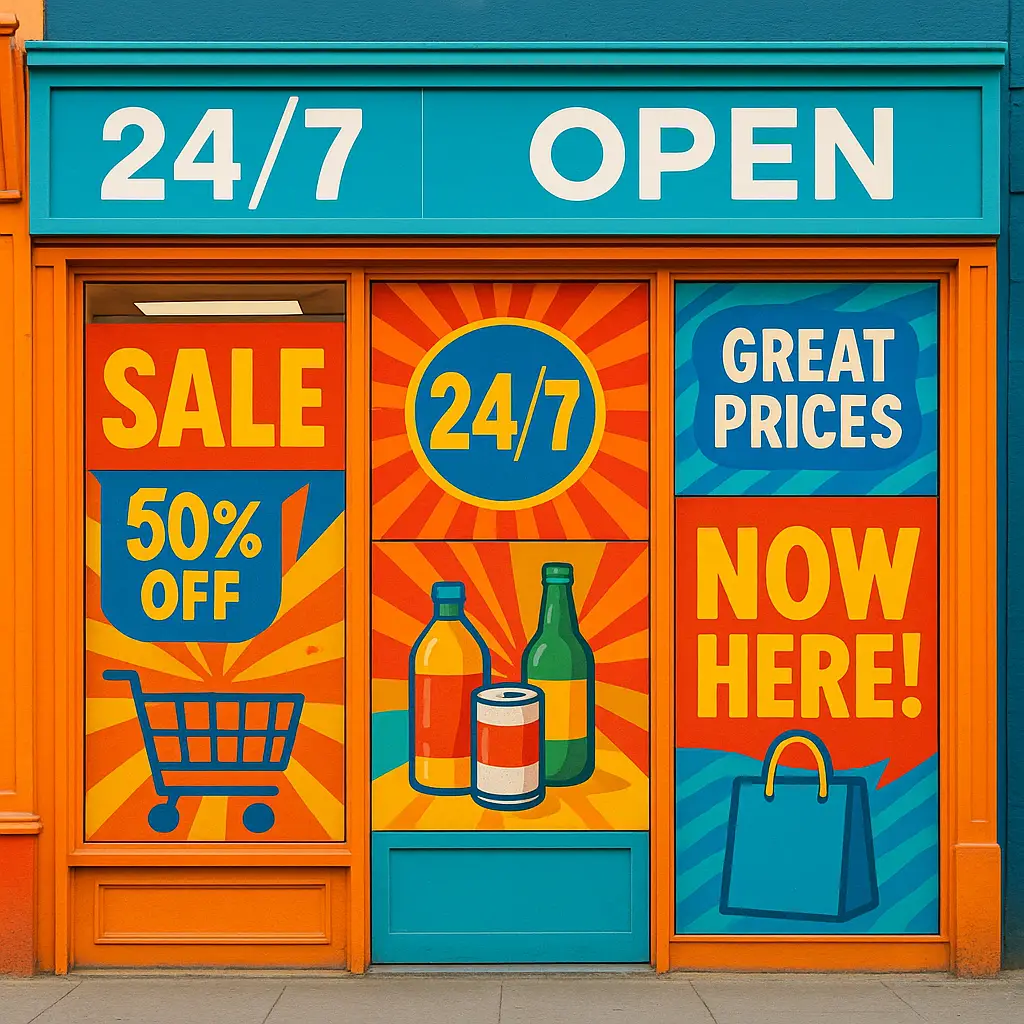
Window Graphics: Turn Your Storefront into a 24/7 Billboard
Transform your storefront into a 24/7 billboard! Discover how store window graphics, from decals to lettering, boost visibility, attract customers, and enhance your brand.

In today’s dynamic market, the only constant is change. Brands, like living entities, must adapt to stay relevant, connect with their audience, and maintain a competitive edge. This natural process of brand evolution often brings business leaders to a critical strategic crossroads: is it time for a minor update or a major overhaul? This is the heart of the brand refresh vs rebrand debate. While the terms are often used interchangeably, they represent vastly different levels of transformation for your brand identity. A brand refresh is a calculated brand makeover to stay current, while a full rebrand is a fundamental reconstruction of your company’s core. Understanding the distinction is vital, as choosing the wrong path can be a costly mistake. This guide will dissect these two powerful strategies, helping you determine which is right for your brand’s future.
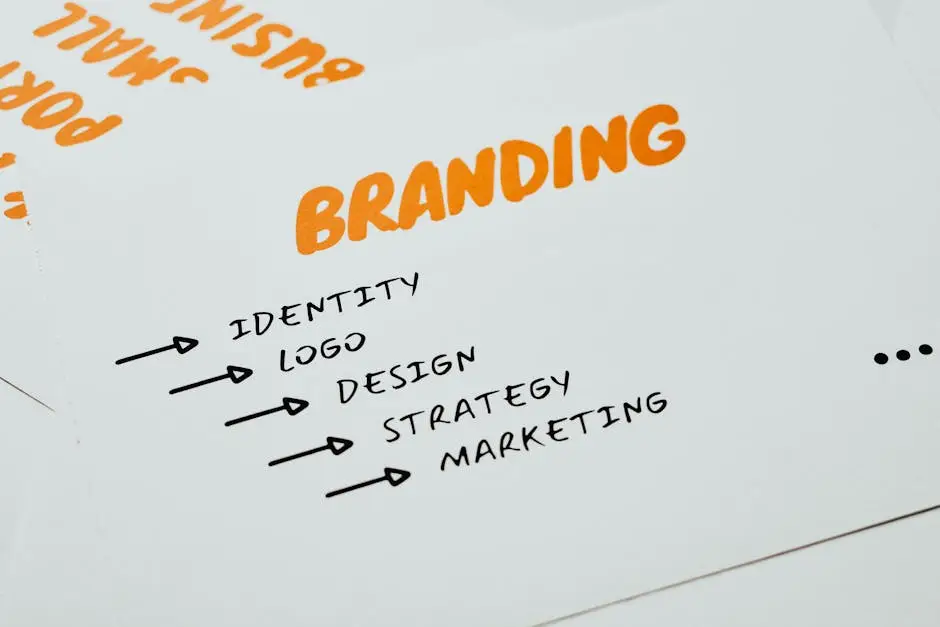
At its core, the brand refresh vs rebrand debate boils down to one thing: the scale of change. A brand refresh is a strategic brand makeover. It focuses on updating the outward-facing elements of your brand—your visual identity—such as modernizing the logo, tweaking the color palette, or updating typography. The soul of your company, its core mission, values, and market position, remains firmly intact. It’s about refining your appearance to stay current. In stark contrast, a full rebrand is a fundamental transformation of your entire brand identity. This is a deep, strategic pivot, often involving a new company name, mission, or target audience. A company rebrand isn’t just a new coat of paint; it’s tearing down the old structure to build something entirely new, often to reposition the business or shed a negative past.
A brand refresh is a strategic update, not a complete overhaul. Think of it as a modernizing brand makeover for a company that is already successful but needs to stay current. This process focuses primarily on the visual identity—tweaking the logo, updating the color scheme, or adopting a new font. The goal is to refine and enhance your look to maintain relevance and appeal. Crucially, your core mission, values, and overall brand strategy remain the same, ensuring you build upon your existing brand equity.
A rebrand goes far beyond a simple visual update; it’s a complete transformation of your core brand identity. This is a significant rebranding strategy that often involves a new company name, mission, and even a different target audience. Unlike a refresh, a full company rebrand is driven by a fundamental business shift, such as a merger, a new business model, or the need to escape a negative reputation. In the brand refresh vs rebrand equation, this is the most drastic option, aiming to build a new foundation from the ground up.

Choosing the right path in the brand refresh vs rebrand debate is a critical strategic decision that hinges on an honest assessment of your brand’s foundation. If your core business is strong—you have a positive reputation, a loyal customer base, and a mission that still resonates—but your look feels dated, a brand refresh is the intelligent choice. It allows you to modernize your visual identity and stay relevant without discarding valuable brand equity you’ve worked hard to build. This is a proactive step in your brand evolution. Conversely, a full company rebrand is a reactive measure for fundamental problems. It’s the necessary path when your business model has pivoted, you’ve undergone a merger, or your brand identity is fundamentally misaligned with your target audience. A refresh builds on a solid history; a rebrand aims to create a new one.
For most established businesses, the argument for a refresh is compelling because it prioritizes the single most valuable asset you own: brand equity. When weighing a brand refresh vs rebrand, consider that a refresh protects the years of trust, recognition, and customer loyalty you’ve already built. It’s a lower-risk, more cost-effective strategy that allows for a targeted brand makeover without the monumental disruption of a full company rebrand. A refresh focuses on modernizing your visual identity to prevent stagnation, ensuring your brand appears current and vital. This careful process of brand evolution strengthens your connection with your existing audience rather than risking alienating them with a drastic change. By building upon a successful foundation instead of demolishing it, a brand refresh offers a powerful return on investment, delivering renewed relevance while safeguarding your hard-won market position.
Brand equity is the invaluable trust and recognition you have built with your audience. A brand refresh is specifically designed to protect this asset. It updates your visual identity while keeping your name and core values—the elements your customers know and trust—intact. In the brand refresh vs rebrand dilemma, choosing a refresh leverages your existing loyalty. A full rebrand, however, risks discarding this equity, forcing you to rebuild that connection from scratch and potentially alienating your established customer base.
A complete company rebrand is a high-stakes gamble, carrying significant financial and reputational risk. A failed rebranding strategy can confuse customers, alienate loyal followers, and require a costly reversal. When evaluating a brand refresh vs rebrand, risk mitigation is a key factor. A refresh is an incremental change, a lower-risk maneuver that avoids the potential disruption of a total overhaul. By modernizing your brand identity without starting over, you protect your business from the significant downside of a major strategic misstep.
From a resource perspective, the brand refresh vs rebrand debate has a clear winner in efficiency. A full company rebrand is a major operational and financial commitment, requiring months or even years of strategic planning, legal work, and a complete rollout. In contrast, a brand refresh is a much faster and more cost-effective process. By focusing on updating the visual identity rather than redefining the entire brand identity, you can achieve a modern look without the extensive resource drain.
The best time to undertake a brand refresh is when your business is thriving. This is proactive brand evolution, allowing you to modernize your look and feel before you appear outdated. It’s a strategic move from a position of strength, not a reaction to a problem. In the brand refresh vs rebrand debate, this is a crucial distinction. A refresh keeps you ahead of the curve, while a full rebrand is often a reactive strategy born from necessity, like a merger or a tarnished brand identity.

To truly grasp the strategic advantage, let’s move from theory to reality. Many of the world’s most successful companies have masterfully navigated the brand refresh vs rebrand decision, opting for targeted updates over risky overhauls. These case studies demonstrate how a well-executed brand refresh can modernize a visual identity—like a new logo or color palette—while carefully preserving the core brand identity and equity built over years. Instead of a disruptive rebrand, they chose a path of smart brand evolution. By refining their look to meet contemporary aesthetic standards, they strengthened their market position, maintained customer trust, and proved that you don’t need to tear everything down to stay relevant. These examples showcase the power of a refresh to inject new life into a brand without losing its soul, providing a powerful lesson for any business considering its next move.
Navigating the brand refresh vs rebrand decision requires an honest look at your current standing. This simple checklist can help you determine if a strategic update is the right move for your business. Ask yourself: Does your visual identity—your logo, colors, and fonts—feel dated when compared to modern competitors? Have you improved your products or services, but your brand’s look no longer reflects that high level of quality and innovation? Are you preparing to enter a new market or launch a major campaign where a more current appearance would be beneficial? Is your core mission still powerful, but your visual execution has become inconsistent across different platforms? If you answered “yes” to one or more of these questions, it’s a strong sign that your core brand identity is sound but its outward expression needs a modernizing brand makeover. A refresh, not a risky rebrand, is your most logical next step.

The brand refresh vs rebrand debate ultimately comes down to a choice between evolution and revolution. For most established companies with a solid foundation, the decision is clear. A full company rebrand is a high-stakes, disruptive measure reserved for moments of fundamental business transformation. In contrast, a brand refresh represents intelligent brand evolution. It allows you to modernize your brand identity, connect with contemporary audiences, and adapt to market changes without discarding the invaluable equity you’ve worked so hard to build. It’s a strategic decision to refine and strengthen your legacy, not erase it. By choosing to refresh, you are making a confident, forward-thinking move that preserves your history while preparing your brand for a successful future. You’re not starting over; you’re simply getting better, ensuring your brand remains a powerful and relevant asset for years to come.
Transform your storefront into a 24/7 billboard! Discover how store window graphics, from decals to lettering, boost visibility, attract customers, and enhance your brand.
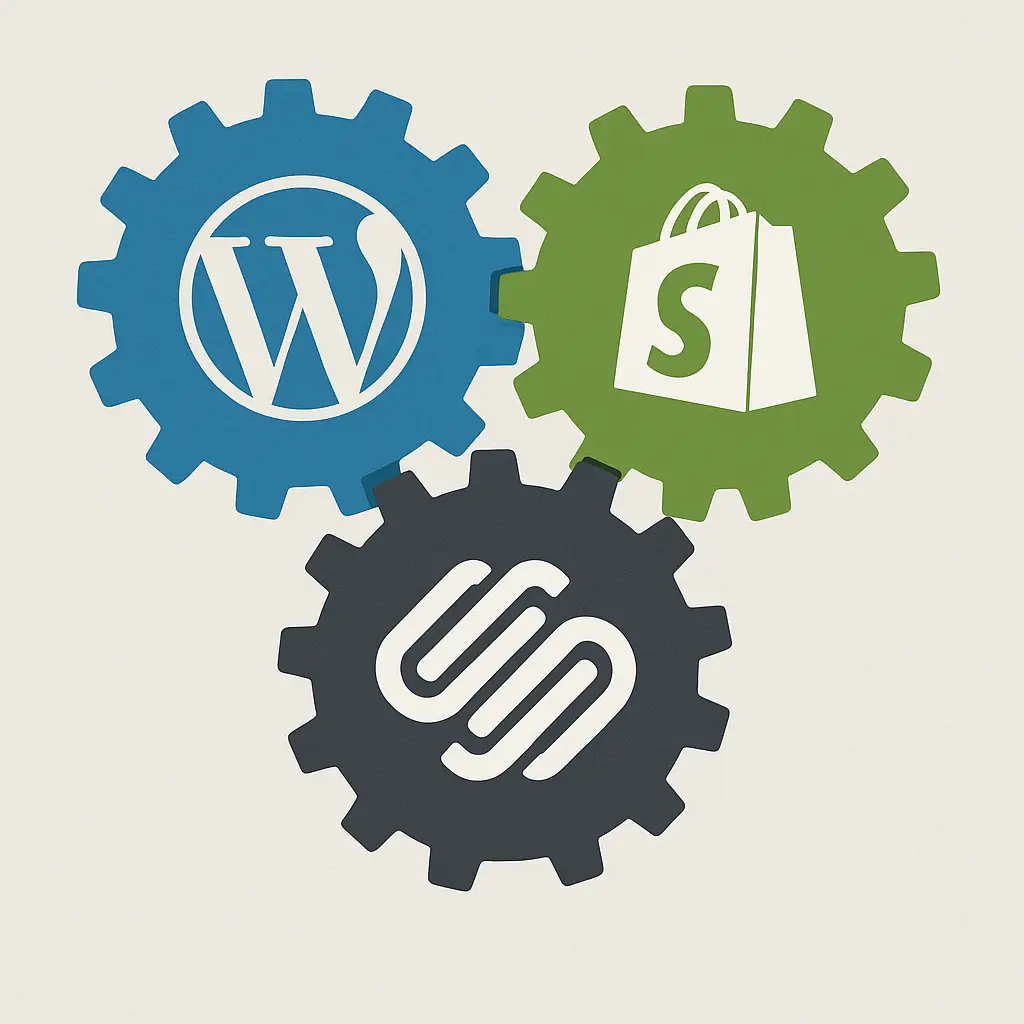
Choosing the best CMS for your business? Compare WordPress, Shopify, and Squarespace side-by-side to find the ideal platform for your online store or website.

Master choosing the right fonts for your brand. Learn font psychology, pairing, and legibility to craft a powerful brand identity that connects with your audience.