

Adobe Firefly vs. Canva Magic Studio: Your AI Design Choice
Compare Adobe Firefly vs Canva Magic Studio. Discover which AI design tool is best for professionals seeking precision or marketers needing speed for their creative projects.
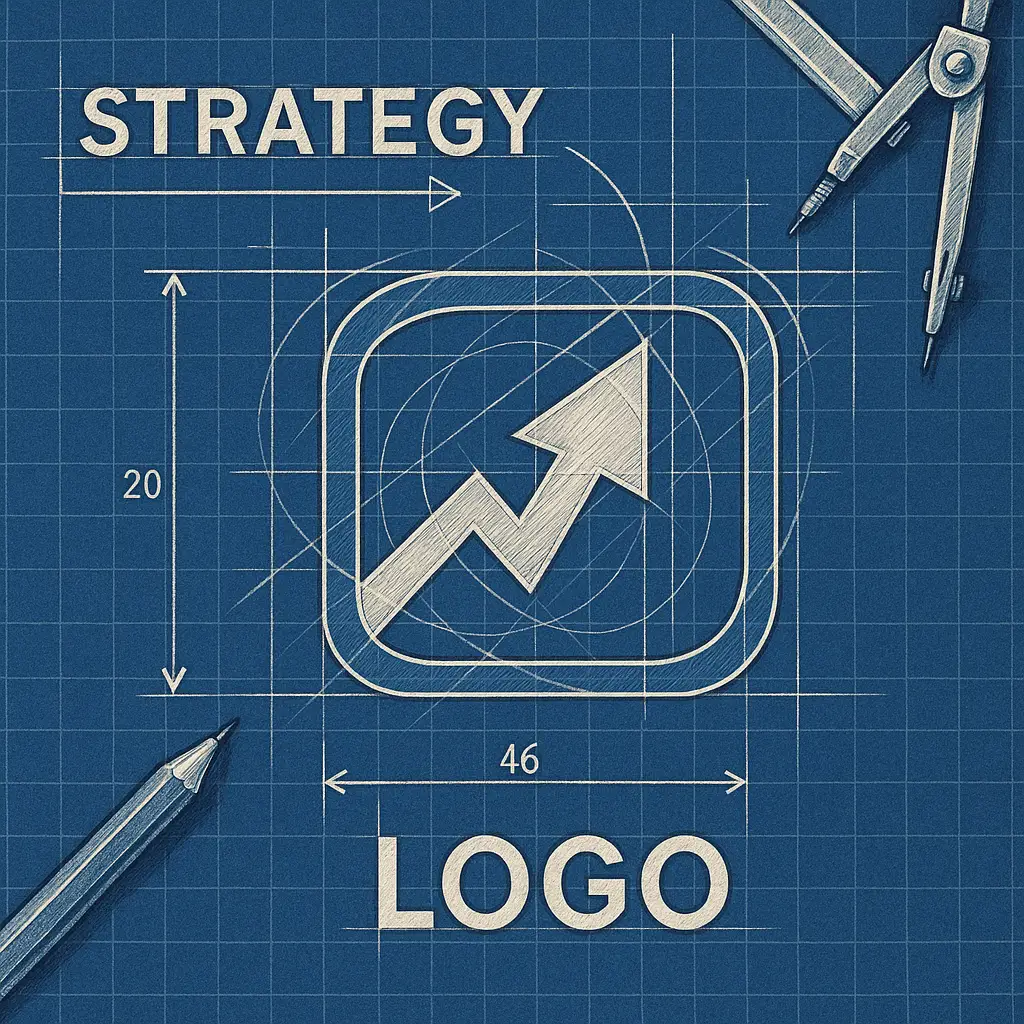
For many entrepreneurs, the excitement of a new venture boils down to one thrilling first step: creating a logo. It’s an understandable impulse. A logo feels tangible, a visual stake in the ground that says, “We exist!” But rushing into logo design without a plan is a classic case of putting the cart before the horse. You’re building a beautiful symbol for a story you haven’t written yet. A logo created in a vacuum is just a pretty picture—an empty vessel with no real meaning. It can’t connect with your target audience or communicate your unique value. The true starting point, the essential brand foundation, is your brand strategy. This is the blueprint that defines your core message, values, and brand promise. In this guide, we’ll explore in detail exactly why brand strategy before logo isn’t just a best practice—it’s the only way to build a brand with purpose and power.

To understand why brand strategy before logo is a non-negotiable rule, we first need to clarify their distinct roles. Think of your brand strategy as the comprehensive blueprint for your business. It’s the deep, internal work defining your mission, brand values, and brand promise. It answers critical questions: Who is our target audience and what is our core message? This is your strategic brand foundation—the ‘why’ behind everything you do. Your logo, on the other hand, is the visual tip of the iceberg. It’s a key component of your broader visual identity, a symbol designed to instantly communicate the essence of your strategy. A logo created without this strategic underpinning is just a guessing game; the logo design process lacks direction, resulting in a mark that may look nice but says nothing of substance to the people you need to reach.
At its heart, a brand strategy is your brand’s soul and its guiding compass. It’s the intentional process of defining your ‘Why’—your purpose, mission, and brand values that exist beyond profit. It also gets crystal clear on your ‘Who’—the specific target audience you are built to serve. This strategic brand foundation is an internal document that dictates your personality, voice, and core message, ensuring every action you take, including your future visual identity, is authentic and purposeful.
If your brand strategy is the blueprint, your logo is the welcome sign on the front door. It’s the most recognizable component of your visual identity—a quick, memorable symbol that serves as a visual handshake with your target audience. A successful logo encapsulates your core message and brand promise, translating the deep work of your strategy into an instant first impression. Without that strategic brand foundation, the logo is just an empty mark, unable to effectively communicate or connect.

Imagine asking an architect to design a house without knowing who will live there, their lifestyle, or the climate. They might design a beautiful structure, but it won’t be a functional home. This is precisely what happens when you prioritize logo design over your brand foundation. Your brand strategy is the essential brief that informs every creative decision. It dictates whether your visual identity should feel modern and innovative or classic and trustworthy. It defines the core message your logo must convey in a single glance and clarifies the values that will resonate with your target audience. Without this strategic direction, design becomes a guessing game based on personal taste rather than purpose. The ultimate reason why brand strategy before logo is so crucial is that strategy infuses your brand with meaning, ensuring your logo is not just an attractive mark but a powerful asset that works for your business.
When you skip the strategic work, the logo design process becomes an exercise in aesthetics, not communication. A logo born from this vacuum is often based on the founder’s personal taste or fleeting design trends. It lacks a soul because it has no defined core message or brand values to express. This “empty vessel” can’t resonate with your target audience because it wasn’t designed with them in mind. It’s a missed opportunity, a generic mark that fails to build a meaningful connection from the very first glance.
A clear brand strategy is a designer’s most valuable tool, translating abstract ideas into tangible design elements. Does your strategy define your brand as innovative and modern? This guides the logo design toward clean lines and bold sans-serif fonts. Is your brand built on trust and heritage? That suggests classic serif fonts and a more established color palette. Every component of your visual identity—from color psychology to typography—becomes a purposeful choice designed to communicate your brand values and resonate with your specific target audience.
Your brand strategy is the single source of truth for your entire visual identity. It dictates how your logo, colors, and messaging are applied consistently across every platform—from your website to your packaging. This consistency is not just about aesthetics; it’s about building trust. When your target audience encounters a coherent brand experience everywhere they look, it reinforces your brand promise and builds confidence. This is a fundamental reason why brand strategy before logo design is essential for long-term success.

While the allure of a shiny new logo is strong, jumping into logo design without a plan is a significant business gamble with real consequences. The most immediate risk is wasted resources—both time and money invested in a visual identity that, without a strategic brand foundation, is destined to fail. This leads directly to a more damaging and expensive problem: the inevitable rebrand. When a logo built on guesswork fails to connect with your target audience or articulate your core message, you’re forced to start over, eroding the trust and recognition you’ve begun to build. A logo-first approach also risks creating a complete market disconnect, alienating potential customers with a visual that doesn’t align with their values or needs. These potential pitfalls are precisely why brand strategy before logo is a critical decision for protecting your investment and ensuring long-term success.
Every dollar and hour spent on a logo design without a guiding brand strategy is a resource misspent. This initial investment creates a visual identity that’s fundamentally misaligned with your business goals. Sooner or later, you’ll realize it isn’t resonating with your target audience. The result? A costly and confusing rebrand down the line. You’re forced to start over, undoing any brand recognition you’ve built and spending even more to fix the initial mistake, highlighting exactly why brand strategy before logo is so critical.
Your logo is your fastest communication tool. When it’s designed without a brand foundation, it can send the wrong signals to the market. A playful logo for a serious financial advisor or a stiff, corporate look for a creative startup instantly miscommunicates your core message and value. This disconnect can confuse and repel your ideal target audience before they even engage with you. This risk of miscommunication is a fundamental reason why brand strategy before logo is essential for making the right first impression.
A logo designed without a long-term brand foundation often traps your business in the present. It might be tied too literally to your initial product or service, becoming a visual anchor that prevents you from expanding or pivoting. As your business evolves, this restrictive visual identity quickly becomes outdated, unable to encompass new offerings. A proper brand strategy anticipates this growth, creating a flexible identity built on core values, not temporary products. This foresight is crucial for building a brand that can scale with your success.

So, what does this all-important brand strategy actually consist of? It’s not an abstract concept but a concrete framework built on several essential pillars. These building blocks provide the clarity and direction needed before any logo design can begin. A winning strategy clearly defines your core mission (the ‘why’), paints a detailed picture of your target audience (the ‘who’), and establishes your unique market positioning (the ‘how’). It also articulates your distinct personality, voice, and brand values. Together, these elements form your core message and brand promise. This comprehensive brand foundation becomes the definitive brief for your designer, ensuring your entire visual identity is built with purpose. Every pillar provides a critical piece of the puzzle, explaining exactly why brand strategy before logo is the only path to creating a brand that truly connects and endures.
This is the bedrock of your brand foundation. Your mission is your purpose (your ‘why’), your vision is the future you’re building, and your brand values are the guiding principles behind every action. These elements are not just corporate jargon; they are the soul of your business and the source of your core message. A designer must understand this purpose before they can create a visual to represent it. This clarity is a primary reason why brand strategy before logo design ensures your brand has substance.
Beyond defining your internal purpose, your brand strategy must identify exactly who you serve. This goes far beyond basic demographics. A deep understanding of your target audience means knowing their values, aspirations, and pain points. What visual language will they connect with? What style will build their trust and make them feel seen? This insight is the guide for your entire visual identity, ensuring your logo design resonates emotionally and feels like it was made just for them.
Once you know your purpose and your audience, you must define your unique place in the market. This is your positioning: what makes you different from competitors and uniquely valuable to your target audience? This clarity dictates your core message and brand promise. This pillar of your brand strategy gives your designer a sharp, focused brief. A logo must visually communicate this uniqueness—whether it’s speed, luxury, or sustainability—ensuring your visual identity immediately tells your story.
In the end, the relationship between your brand’s face and its brain is the perfect metaphor. Your logo is the face—the first thing people see, the visual handshake that makes an impression. But the brand strategy is the brain—the intelligence, personality, and purpose that give that face meaning and direction. Without the brain, the face is just a blank expression. We’ve explored the significant risks of a logo-first approach, from wasted resources to market disconnect. The core takeaway is clear: your brand foundation dictates the success of your entire visual identity. This is the definitive answer to why brand strategy before logo is the only path forward. By investing in the strategic work first—defining your mission, audience, and core message—you aren’t just creating a logo. You’re building an authentic, resilient, and powerful brand that will connect with customers and stand the test of time.
Compare Adobe Firefly vs Canva Magic Studio. Discover which AI design tool is best for professionals seeking precision or marketers needing speed for their creative projects.

Explore how AI is transforming SEO, from powering search engines to enhancing content creation and user experience. Learn practical strategies to thrive in the AI era of search.

Master prompt engineering for beginners! Learn essential techniques to craft effective AI prompts and dramatically boost your Large Language Model (LLM) results.